View by Topic
Recent Articles
-
The Great Climate Reevaluation – Affordability Trumped Environment in the 2026 MidtermsSaturday, November 7th, 2026
-
Challenge To FAA’s Drone Delivery Rule – What Commercial Real Estate Needs to KnowSaturday, October 31st, 2026
-
The Hidden Transaction Costs of Residential SolarSaturday, October 24th, 2026
-
Australia’s High Court Puts Scope 3 GHG Emissions Back on the U.S. Business Risk MapSaturday, October 17th, 2026
-
D.C. Circuit Upholds PFAS Hazardous Designation – Critical Implications for Real EstateSaturday, October 10th, 2026
View by Month/Year
“Green Building Law Update” Headlines
Recent Articles & News from
Stuart Kaplow’s blog
at GreenBuildingLawUpdate.com
- Maryland’s New Recycling Tax? Packaging EPR Moves From Law to Reality September 27, 2026
- Exposomics – The New Environmental Risk That Will Change Real Estate September 20, 2026
- No Constitutional Right to Clean Drinking Water? Fifth Circuit Says Not So Fast September 13, 2026
- The Air We Share – Why Indoor Air Is Becoming a Real Estate Risk September 6, 2026
Subscribe to the Green Building Law Update!
Stuart Kaplow brings his expertise and extensive experience to the table with his unique digital publication, "Green Building Law Update". Subscribers receive regular updates to keep them informed about important issues surrounding Environmental Law, Green Building & Real Estate Law, as well as the emerging demand for Environmental Social Governance (ESG).
Get fresh content through the lense of Stuart Kaplow's cutting-edge expertise, innovative commentary and insider perspective. Don't miss another issue! Subscribe below.
Recent climate hush Articles
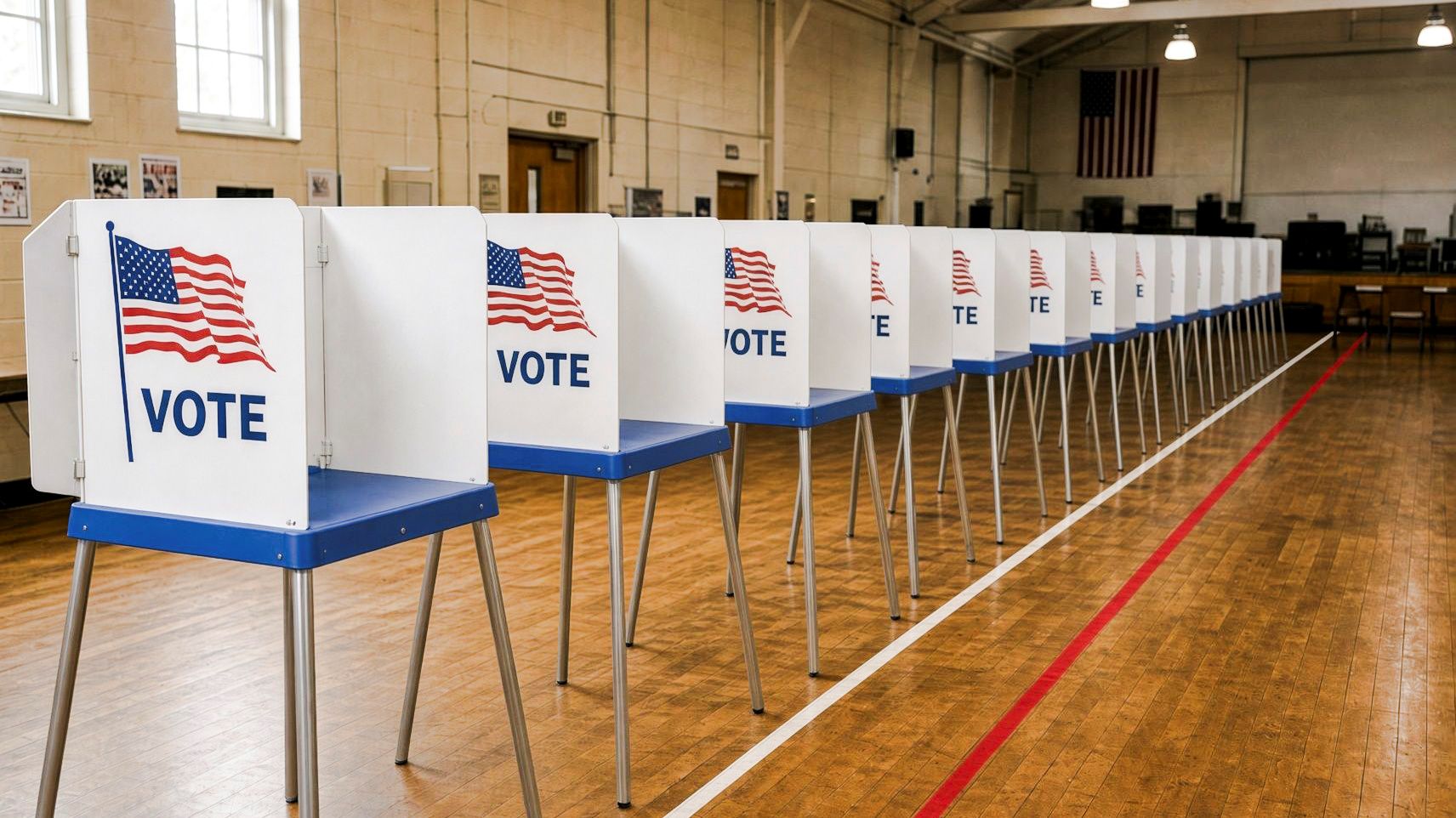
The Great Climate Reevaluation – Affordability Trumped Environment in the 2026 Midterms
By Stuart Kaplow|2026-11-07T17:00:49-05:00Saturday, November 7th, 2026|Categories: Environmental Law|Tags: BEPS, climate change, climate hush, environmental attorney Maryland, Kaplow, Maryland BEPS, Maryland environmental lawyer, Stuart Kaplow|
Commercial real estate developers and business leaders routinely underwrite projects against ten, twenty, and thirty year horizons, knowing that capital expenditures must outlast political cycles. Yet every two years, Washington and the state capitals deliver a referendum on policy priorities that alters the regulatory risk ...