View by Topic
Recent Articles
-
 The Great Climate Reevaluation – Affordability Trumped Environment in the 2026 MidtermsSaturday, November 7th, 2026
-
 Challenge To FAA’s Drone Delivery Rule – What Commercial Real Estate Needs to KnowSaturday, October 31st, 2026
-
 The Hidden Transaction Costs of Residential SolarSaturday, October 24th, 2026
-
 Australia’s High Court Puts Scope 3 GHG Emissions Back on the U.S. Business Risk MapSaturday, October 17th, 2026
-
 D.C. Circuit Upholds PFAS Hazardous Designation – Critical Implications for Real EstateSaturday, October 10th, 2026
View by Month/Year
“Green Building Law Update” Headlines
Recent Articles & News from
Stuart Kaplow’s blog
at GreenBuildingLawUpdate.com
- Maryland’s New Recycling Tax? Packaging EPR Moves From Law to Reality September 27, 2026
- Exposomics – The New Environmental Risk That Will Change Real Estate September 20, 2026
- No Constitutional Right to Clean Drinking Water? Fifth Circuit Says Not So Fast September 13, 2026
- The Air We Share – Why Indoor Air Is Becoming a Real Estate Risk September 6, 2026
Subscribe to the Green Building Law Update!
Stuart Kaplow brings his expertise and extensive experience to the table with his unique digital publication, "Green Building Law Update". Subscribers receive regular updates to keep them informed about important issues surrounding Environmental Law, Green Building & Real Estate Law, as well as the emerging demand for Environmental Social Governance (ESG).
Get fresh content through the lense of Stuart Kaplow's cutting-edge expertise, innovative commentary and insider perspective. Don't miss another issue! Subscribe below.
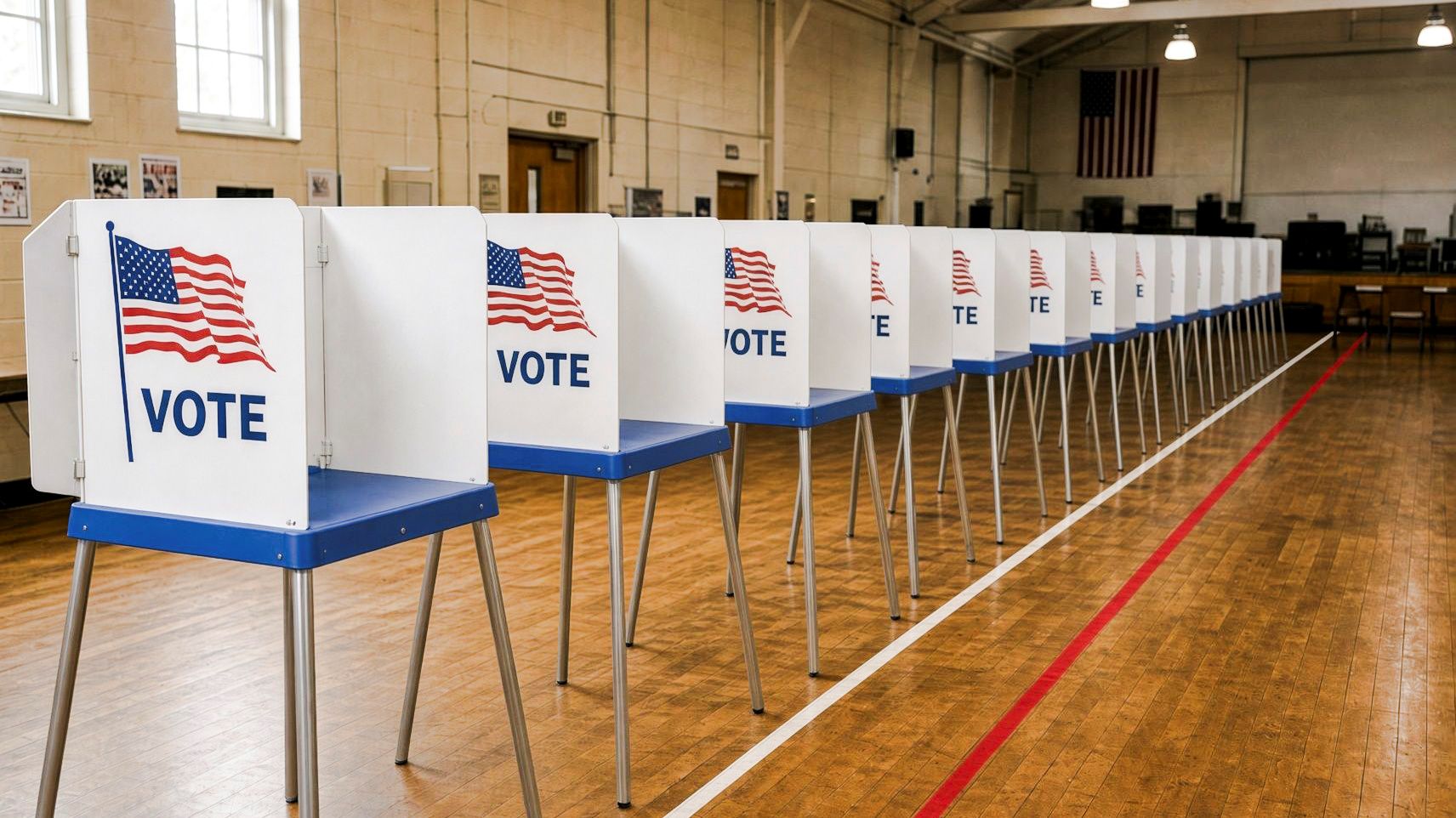
The Great Climate Reevaluation – Affordability Trumped Environment in the 2026 Midterms
Commercial real estate developers and business leaders routinely underwrite projects against ten, twenty, and thirty year horizons, knowing that capital expenditures must outlast political cycles. Yet every two years, Washington and the state capitals deliver a referendum on policy priorities that alters the regulatory risk calculus.
The 2026 midterm elections delivered an unmistakable verdict: for the average American voter, immediate economic stability and affordability decisively superseded aspirational climate agendas.
While environmental stewardship remains a societal value, a palpable “climate hush” swept through campaigns nationwide. Candidates who historically championed green mandates recalibrated their rhetoric in real time. For sophisticated business professionals, understanding this recalibration is not an academic exercise in political science; it is a prerequisite for prudent risk management, capital allocation, and long term asset positioning.
The “Climate Hush” and Post 2026 Political Realities
Climate change, once the non negotiable centerpiece of progressive campaigning, receded from the mainstream political discourse in the 2026 midterms. Across the political map, candidates quietly scrubbed or downplayed the word “climate” on their campaign homepages, acutely aware that an electorate contending with persistent inflation, surging energy bills (from gasoline to electricity), and geopolitical friction was operating in survival mode.
The data reveals a stark retreat. A widely cited national analysis of Senate races showed that of the 35 U.S. Senate seats on the ballot this cycle, 34 of the Democratic nominees had featured the word “climate” prominently on the first page of their campaign websites in 2020. In 2026, only four of those 35 nominees did so.
This drop off signals a profound realignment. Polling consistently shows that while Americans retain an inherent concern for conservation and clean air, the environment fails to register among voters’ top tier of kitchen table anxieties. The public appetite for apocalyptic warnings and emergency declarations has hit diminishing returns; voters simply do not see global warming as an immediate, catastrophic threat that justifies increased energy bills.
Affordability Takes Center Stage: Reframing Energy Economics
Environmental advocacy groups sought to keep their issues relevant by reframing green initiatives around consumer cost containment. Their argument, that solar and wind represent the cheapest new marginal generation assets, pitched clean energy as a market driven “twofer” capable of lowering consumer bills while curbing carbon emissions.
Market economics are indeed driving renewable deployment where capital costs, tax structures, and transmission realities permit. However, where top down mandates outpace grid reliability, consumer pushback has been swift. Voters signaled frustration with policies that accelerate fossil fuel retirements before replacement baseload is operational.
As a result, seasoned political figures executed tactical pivots. In New York, Governor Kathy Hochul, previously a standard bearer for aggressive statutory climate mandates, moved to soften implementation timelines for the state’s landmark climate law, citing direct affordability concerns for businesses and households. In Massachusetts, Senator Ed Markey, a principal architect of the Green New Deal, notably deemphasized the framework during his campaign in favor of broader economic talking points. Meanwhile, in a fiercely contested Texas Senate race, Senator elect James Talarico, who had previously warned against fossil fuel expansion, campaigned explicitly on protecting domestic oil and gas jobs alongside clean energy and lower utility bills.
Federal Gridlock and Regulatory Volatility
The post midterm federal landscape points toward policy friction rather than sweepingly new legislative mandates. With a divided Congress and the enduring check of presidential veto power, federal statutory environmental overhauls remain improbable.
Our earlier post, Interior Department Moves to Cancel Maryland Offshore Wind Project, underscores this volatility. Federal policy swings can inject sudden, project chilling uncertainty into capital intensive energy and real estate developments, from energy infrastructure to multi family, stranding capital overnight.
State Level Divergence and Mandate Fatigue
Because federal statutes will remain largely gridlocked, states remain the primary battleground for environmental regulation. In states where single party legislative and gubernatorial control is consolidated, administrative agencies will continue to pursue aggressive environmental agendas.
Yet even in traditionally progressive jurisdictions, mandate fatigue is setting in. In states like Maryland and Massachusetts, where ambitious building electrification mandates, clean heat standards, and Building Energy Performance Standards (BEPS) are working their way into codes, regulators and lawmakers are beginning to confront operational bottlenecks. Landlords and developers face stringent compliance targets precisely as higher interest rates, supply chain delays, and utility interconnection queues make mechanical overhauls financially untenable; not to mention that those increased costs are disproportionately borne by the public in those outlier jurisdictions. Several state legislatures have and are quietly entertaining proposals to stretch compliance horizons and remove net zero goals rather than risk the ire of voters.
At the same time, the astronomical growth of artificial intelligence and hyperscale data center development is exposing severe grid vulnerabilities. The unprecedented demand for continuous, uninterrupted power is outpacing clean generation capacity, forcing state regulators to reckon with baseload realities while communities voice concerns over local grid stability and water consumption. Among governor races in the mid term election, 32 of the 34 victorious candidates supported stronger regulation or restrictions on data centers.
Infrastructure Realities and the Permitting Bottleneck
Top down energy mandates cannot resolve the fundamental nationwide shortfall in electricity generation and transmission capacity. The country faces an urgent need for dispatchable electric capacity, regardless of political affiliation.
Permitting reform remains the critical bottleneck. While Capitol Hill routinely debates statutory measures to expedite energy infrastructure, durable consensus remains elusive. Competing interests between fossil fuel streamlining, clean energy transmission, and environmental justice litigation leave projects bogged down in NEPA reviews for years. Meanwhile, delegations of lawmakers still plan to attend the annual United Nations climate summit in Antalya, Turkey, highlighting the ongoing political divide.
Turning Environmental Volatility into Capital Advantage
Political rhetoric shifts with election cycles. But for sophisticated commercial real estate developers and corporate enterprises, capital deployment is governed by balance sheets, risk adjusted returns, and operational durability, not campaign talking points.
The retreat from climate alarmism toward economic pragmatism does not diminish the strategic value of sustainability; it clarifies it. Forward thinking enterprises recognize that environmental risk is fundamentally an economic variable. Unnecessary government mandates frequently introduce regulatory friction and market distortions, but market driven resilience drives bottom line yield.
Whether structuring on site power generation or battery storage to insulate commercial assets from utility price volatility and disruptions, repositioning underutilized brownfield assets, or engineering energy efficient commercial properties that lower operating expenses and increase reliability that command premium lease rates, smart environmental strategy enhances asset value.
At our firm, we partner with clients who see through the political noise and treat environmental, zoning, and energy challenges as actionable business opportunities. We guide owners, investors, and developers through shifting regulatory regimes, structure disciplined legal risk allocations, and secure mission critical project approvals without relying on speculative environmental change or shifting political winds. As the market pivots toward cost, reliability, and sustainability, our practice remains focused on executing transactions that protect capital, mitigate risk, and build enduring asset value.
________________
Note: The content above was generated from an AI assisted transcription of comments I made during a podcast appearance and subsequently organized into this format. While every effort has been made to preserve the substance of my remarks, this post may contain errors or inaccuracies. Readers are encouraged to contact me with any questions and to seek professional advice regarding their particular situation.
________________
Join us this Tuesday for the next in our webinar series at the Intersection of Business, Science, and Law, “Phase I Environmental Site Assessments “Just Changed,” on Tues., Nov. 10 at 9 am. The webinar is complimentary, but you must register here.
About the Author: Stuart Kaplow