View by Topic
Recent Articles
-
 TMDL Trump Executive Order – Why the Chesapeake Bay “Pollution Diet” Remains IntactSaturday, October 3rd, 2026
 -
 Maryland’s Packaging EPR Program Moves From Law to RealitySaturday, September 26th, 2026
 -
 Exposomics – The New Environmental Risk You Have Not Heard AboutSaturday, September 19th, 2026
 -
 Clean Water Isn’t a Constitutional Right? Fifth Circuit Says NoSaturday, September 12th, 2026
 -
 The Air We Breathe – Indoor Air Quality Is Becoming a Real Estate IssueSaturday, September 5th, 2026
View by Month/Year
“Green Building Law Update” Headlines
Recent Articles & News from
Stuart Kaplow’s blog
at GreenBuildingLawUpdate.com
Subscribe to the Green Building Law Update!
Stuart Kaplow brings his expertise and extensive experience to the table with his unique digital publication, "Green Building Law Update". Subscribers receive regular updates to keep them informed about important issues surrounding Environmental Law, Green Building & Real Estate Law, as well as the emerging demand for Environmental Social Governance (ESG).
Get fresh content through the lense of Stuart Kaplow's cutting-edge expertise, innovative commentary and insider perspective. Don't miss another issue! Subscribe below.
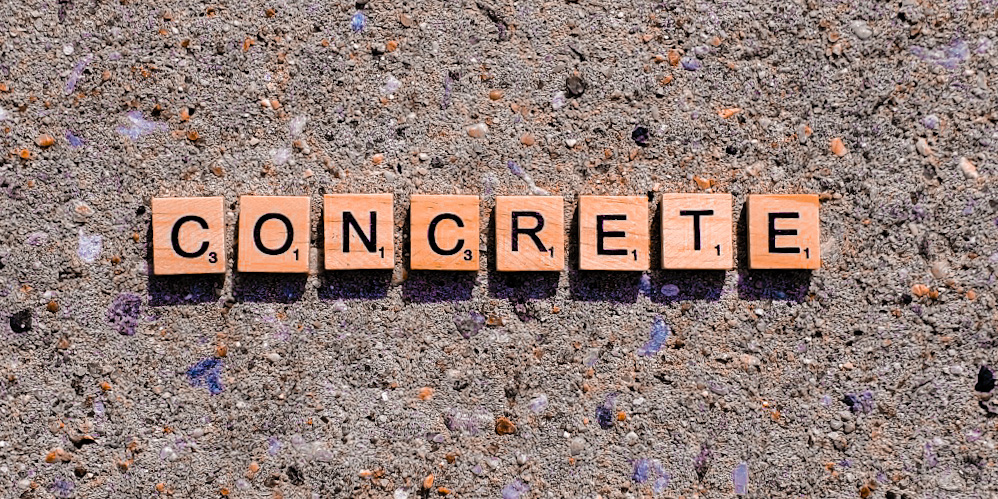
Low Carbon Concrete for the First Time Required by Law
The negative environmental impact of concrete, the most common man made substance on Earth, has not been meaningfully responded to in 2020.
Cement use in concrete is the largest single material source of greenhouse gas emissions in building.
Concrete is the largest single material source of embodied emissions in buildings, and makes for more than 8% of global greenhouse gas emissions.
Embodied (or embedded) emissions are emissions of carbon dioxide and other greenhouse gases generated by making and transporting materials to a building site, including mining, refining, and shipping.
Current green building programs actually encourage the use of concrete. While a lot of work has been done to reduce operational emissions in buildings, and less work has been done on impervious surface harms and urban heat island, addressing the now but unaddressed embodied emissions is the next frontier.
Replacing cement with currently available alternative cementitious materials, such as fly ash or slag, and other practices to “decarbonize” concrete has the potential of reducing total emissions from concrete by more than half.
The Marin County, California Low Carbon Concrete Code was the first in the nation to address the negative environmental externalities of concrete when it added a mandatory low carbon concrete specification to the Marin County Building Code.
The new code went into effect last month and applies to all private and public construction projects involving concrete. That new code modified the 2019 California Building Standards Code regulating allowable mix design and materials for plain and reinforced concrete. The purpose of this code is to provide standards and requirements for the composition of concrete, that ideally maintains adequate strength and durability for the intended application and at the same time reduces greenhouse gas emissions associated with concrete composition. The code provides for substituting one of several pozzolans, such as fly ash, slag and other Portland cement replacements. Possibly most significant, the code provides a form of non-residential specification and residential specification that could be a model for construction contract provisions.
In 2020, when birds are “out” and Birds of Prey are “in” Marin County’s legislating concrete standards are likely the wrong means to obtain the right end of better green building. New laws are not the most efficacious method of driving change in concrete, but to date the industry with a market value of more than $400 Billion a year, has failed to be a good steward of the planet.
There are 40 tons of concrete for every person on the planet and an additional one ton per person is added very year!
Despite innovations (e.g., the high tech sector), we are still pouring billions of tons of old fashioned concrete, a product that predates both agriculture and the wheel. The Romans were the first to erect beautiful concrete buildings, some of which still stand today, including the almost two millennia old Pantheon and Senate Building. But, of course, modern rebar inserted concrete is all but disposable with much of it disintegrating in little more than fifty years or so.
It is undisputable that concrete is a wonderous building material that has made possible the iconic Sydney opera house and the panoramic New River Gorge bridge. And such is why addressing the negative environmental impacts of concrete matters. The concrete industries must modernize reducing environmental externalities. And the next versions of green building programs must respond.
And beginning immediately, Marin County has provided vetted specifications for low carbon concrete that can be included in construction contracts across the country.
About the Author: Stuart Kaplow