
View by Topic
Recent Articles
-
 TMDL Trump Executive Order – Why the Chesapeake Bay “Pollution Diet” Remains IntactSaturday, October 3rd, 2026
 -
 Maryland’s Packaging EPR Program Moves From Law to RealitySaturday, September 26th, 2026
 -
 Exposomics – The New Environmental Risk You Have Not Heard AboutSaturday, September 19th, 2026
 -
 Clean Water Isn’t a Constitutional Right? Fifth Circuit Says NoSaturday, September 12th, 2026
 -
 The Air We Breathe – Indoor Air Quality Is Becoming a Real Estate IssueSaturday, September 5th, 2026
View by Month/Year
“Green Building Law Update” Headlines
Recent Articles & News from
Stuart Kaplow’s blog
at GreenBuildingLawUpdate.com
Subscribe to the Green Building Law Update!
Stuart Kaplow brings his expertise and extensive experience to the table with his unique digital publication, "Green Building Law Update". Subscribers receive regular updates to keep them informed about important issues surrounding Environmental Law, Green Building & Real Estate Law, as well as the emerging demand for Environmental Social Governance (ESG).
Get fresh content through the lense of Stuart Kaplow's cutting-edge expertise, innovative commentary and insider perspective. Don't miss another issue! Subscribe below.
EPA Cancels Pesticide Registrations to Save the Bees
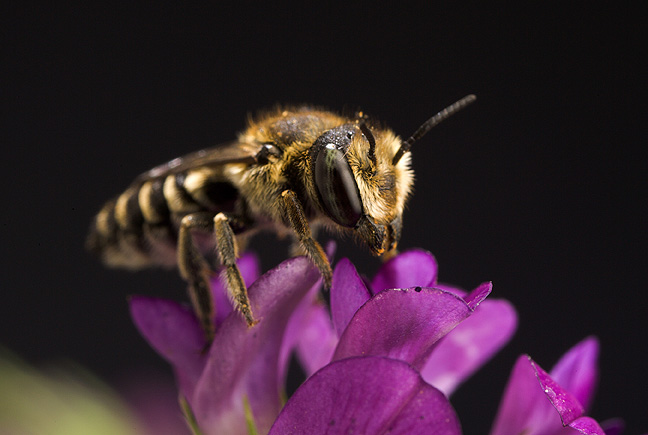
In a rare move, the EPA issued product cancellation orders for certain pesticides effective May 20, 2019. The pesticides contain neonicotinoids that, despite their widespread use have become controversial when laboratory studies reported a link between neonicotinoids and declining bee populations, although a link has not been replicated in field studies.
Neonicotinoids are compounds in insecticides chemically related to nicotine. The name literally means “new nicotine-like insecticides.”
Neonicotinoids pesticides first reached the market in the 1990s and today are the most widely used class of insecticide in the world. For example, more than 80% of corn in the U.S. is reported treated with neonicotinoids seed.
In 2013 several beekeepers and public interest organizations filed suit in the U.S. District Court for the Northern District of California alleging that EPA had improperly denied a petition to suspend products containing clothianidin and that EPA’s registration of certain clothianidin and thiamethoxam products violated certain registration requirements of federal law.
The parties settled the matter. As part of the dismissal, the defendant intervenors Syngenta, Bayer and Valent (whose insecticides contain clothianidin and thiamethoxam) agreed to request that EPA voluntarily cancel 12 specific products that contain either clothianidin or thiamethoxam.
Section 6(f)(1) of the Federal Insecticide, Fungicide and Rodenticide Act (7 U.S.C. 136d(f)(1)) provides that a registrant of a pesticide product may at any time request that any of its pesticide registrations be canceled or amended to terminate one or more uses. Such requests were made.
Bayer did note that its two products targeted by this EPA action are not sold in the U.S. This is a global issue and the EU and Canada have moved to protect pollinator populations.
Of note, the companies may continue to sell and distribute existing stocks of products (.. which are reported to be significant) until May 20, 2020, which is 1 year after the publication of the Cancellation Order.
The settlement of the case also requires EPA in coming years to analyze the impacts of neonicotinoids pesticides on endangered species, but it is suggested in a cart and horse problem that is looking for the science to justify this ban after the fact?
Unaffected by the settlement is a similar problem that arguably exists for monarch butterflies which population has dropped precipitously.
It is not in dispute that there has been a significant collapse of honeybee hives in recent years, but there is no scientific consensus as to the cause. President Obama was criticized when a central element of that Administration’s initiative to promote honeybee and other pollinator health was installing a beehive of the South lawn of the White House. President Trump has been criticized that this is regulation through litigation despite, EPA Ends Perverse Practice of “Sue and Settle” even though this action was published in the Federal Register.
But it is not clear that banning these 12 insecticides will have any efficacy for honeybees It will no doubt lead to disruption at U.S. farms and increase the costs of food production.
This regulation through settling litigation, banning legal products without a finding of even a scintilla of scientific evidence by a court or government agency, is no better than Montgomery County, Maryland’s local government pesticide ban, and is bad environmental public policy.
About the Author: Stuart Kaplow