View by Topic
Recent Articles
-
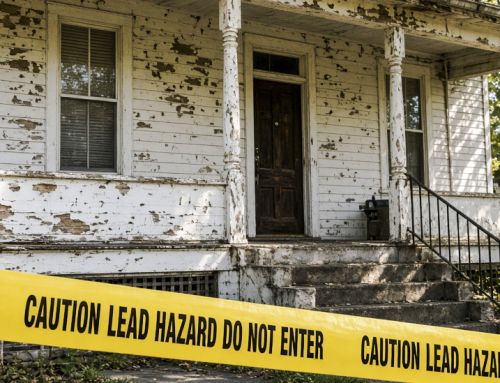
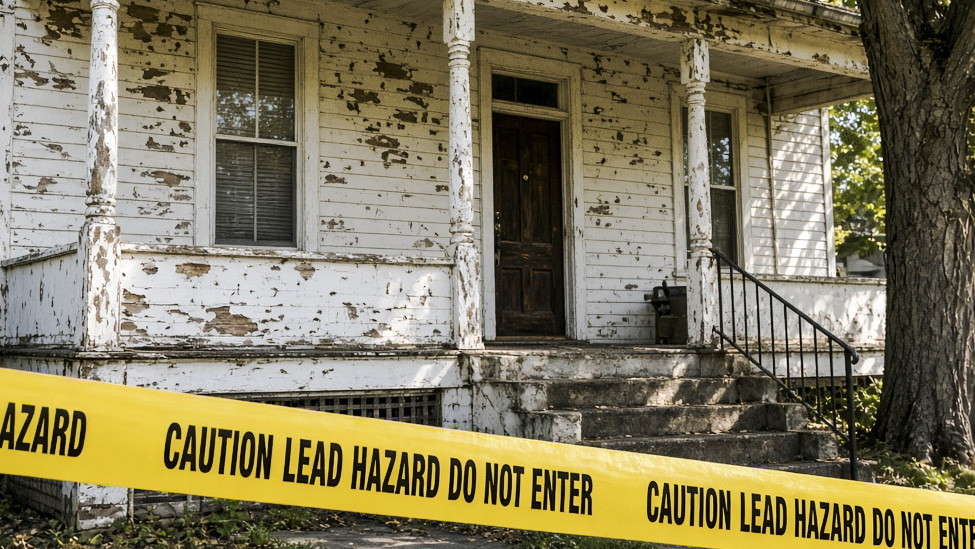
 The Lead Paint Legacy Real Estate Owners Must Take SeriouslySaturday, August 22nd, 2026
 -

-
 Puerto Rico’s Water Crisis – The Era of Potable Water Bankruptcy Has ArrivedSaturday, August 8th, 2026
 -
 Commercial Space Launch Reform – FAA Proposal Will Cut Years from Licensing ApprovalsSaturday, August 1st, 2026
 -
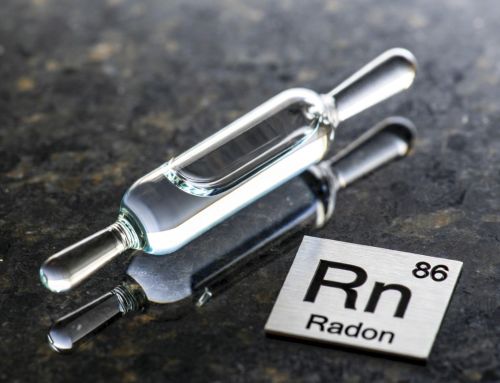
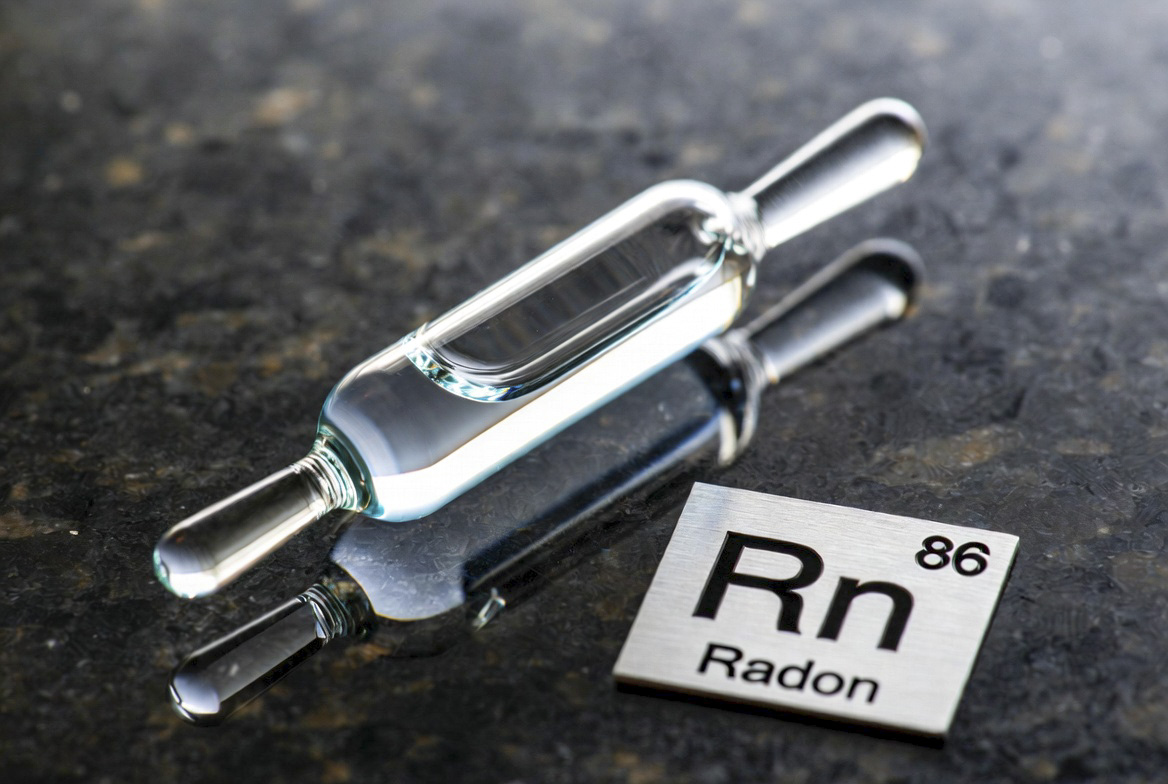
 Radon – Test and Decide for YourselfSaturday, July 25th, 2026
View by Month/Year
“Green Building Law Update” Headlines
Recent Articles & News from
Stuart Kaplow’s blog
at GreenBuildingLawUpdate.com
Subscribe to the Green Building Law Update!
Stuart Kaplow brings his expertise and extensive experience to the table with his unique digital publication, "Green Building Law Update". Subscribers receive regular updates to keep them informed about important issues surrounding Environmental Law, Green Building & Real Estate Law, as well as the emerging demand for Environmental Social Governance (ESG).
Get fresh content through the lense of Stuart Kaplow's cutting-edge expertise, innovative commentary and insider perspective. Don't miss another issue! Subscribe below.

Resilience is the Future of Real Estate and USGBC Spells it RELi
Last Friday, Hudson Yards, the largest private real estate development in the country opened, but what the $25 Billion project may become best known for is that is designed for resilience from its giant “submarine doors” underground that can be closed to keep out storm surges to its own power plant that can keep the lights on even if New York City’s power grid goes down.
The day before, the City of New York released the Lower Manhattan Climate Resilience Study, identifying more than $10 Billion of capital projects for the resilience of Lower Manhattan, including floodproofing by extending the shoreline into the East River.
So what is resilience? There are a lot of definitions of the word resilience. Susan Dorn, the General Counsel of USGBC and GBCI has proposed a definition that is at once spiritual while yet very grounded, when she offers a quote from Krista Tippett, the National Humanities Medal winning journalist who authored, Becoming Wise: An Inquiry into the Mystery and Art of Living,
Resilience is a successor to mere progress, a companion to sustainability. It acknowledges from the outset that things will go wrong .. This is the drama of being alive. To nurture a resilient human being, or a resilient city, is to build in an expectation of adversity, a capacity for inevitable vulnerability .. It’s a shift from wish-based optimism to reality-based hope.
In a conspicuous example of resilience becoming mainstream, the Defense Authorization Act for Fiscal Year 2019 for the first time requires the Department of Defense, the largest owner of buildings in North America take resilience into account, responding to sea level rise and flooding by constructing new mission critical buildings 3 feet above the base flood 100 year elevation.
Accepting that we construct buildings to provide shelter, how do you build resilience features into your next project?
GBCI’s newest rating system, RELi 2.0 will help identify and reduce the risk of damage in the event of a natural disaster, economic disruption, resource depletion or other crisis for buildings, homes, neighborhoods and infrastructure.
Much more than only anticipating rising water, RELi 2.0 criteria include acute hazard preparation and adaptation strategies along with chronic risk mitigation at the building and neighborhood scale.
Susan Dorn, could not be more emphatic,
RELi 2.0 offers the most comprehensive certification available anywhere for environmentally and socially resilient design. By selectively bundling existing sustainable and regenerative guidelines with RELi’s groundbreaking credits for emergency preparedness, adaptation, and community vitality, RELi 2.0 is designed to protect occupants, offer shelter to those in the nearby community, allow business continuity, and reduce the cost of disaster-related repair and rebuilding.
RELi was first developed over 5 years ago by the Institute for Market Transformation to Sustainability and adopted by MTS in 2014, following the ANSI accredited American National Standards procedure. Since 2017, RELi has been managed by the USGBC which, in conjunction with MTS and others led the evolution of RELi 2.0 in large measure. In 2018, the LEED Steering Committee also synthesized the LEED Resilient Design pilot credits with RELi’s Hazard Mitigation and Adaptation credits.
RELi 2.0 is similar to LEED in format with certification by GBCI based on a point system. The 15 requirements within the rating system are mandatory and do not carry a point value. Optional credits have point values, allowing projects to seek credits and certification levels that fit their needs. Point values are: 300 to 349 points earned for RELi Certified, 350 to 440 points earned for RELi Silver, 450 to 599 points earned for RELi Gold, and 600 to 800 points earned for RELi Platinum.
Those in the know have described RELi 2.0 as by far the best GBCI associated rating system since LEED v2.2.
The gravitas of this update from version 1.2.1 is made clear by its own words, “[t]he RELi 2.0 Rating System assumes that there will be an initial emergency response from state and/or federal emergency authorities within four days after the occurrence of a major event.”
By way of example, as one might expect the rating system contains a requirement, Hazard Mitigation + Adaptation requirement 2.0 Fundamental Emergency Operations: Back – Up Power, that makes a prerequisite of “permanent back – power, switching gear and/ or power hook – ups, and infrastructure for temporary generators ..”
While some are surprised there is a requirement that “residential facilities with overnight occupancy, provide 96 hours (4 days) of emergency supplies including water + food ..” to accommodate all occupants, food can consist of compressed food bars.
Just about the only criticism of RELi 2.0 is that the 91 pages of rating guidelines reads like an architect’s dystopian rule book for society. However, for those readers old enough to have participated in ‘duck and cover’ (under our desks) elementary school nuclear attack drills or had a Cold War era bomb shelter in your back yard, these guidelines, including stocking 4 days of food and water, seem tame.
In an age where deaths from natural disasters have fallen precipitously, when many believe that the biggest global risk in the future is a pandemic disease outbreak, RELi 2.0 even advances pandemic preparedness.
RELi 2.0 is significant because it is widely suggested, just as a Phase I Environmental Site Assessment is now standard practice in nearly every commercial real estate transaction in this country, that in the future the same will be true of a resilience assessment.
RELi (.. by the way, pronounced ri’lai like rely), is open for registration. To be eligible, a project must also register for LEED (note, at least 25% of RELi are based on LEED credits) and at this point ought to be new construction. For more information, and to pursue RELi certification, email reli@usgbc.org
About the Author: Stuart Kaplow