View by Topic
Recent Articles
-
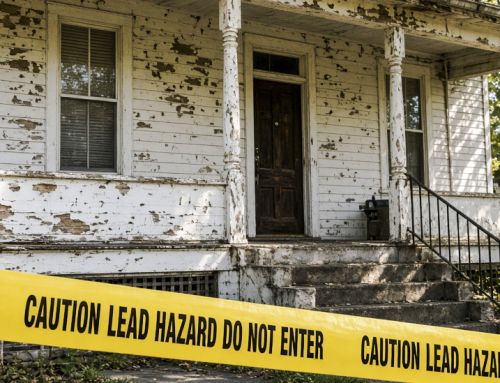
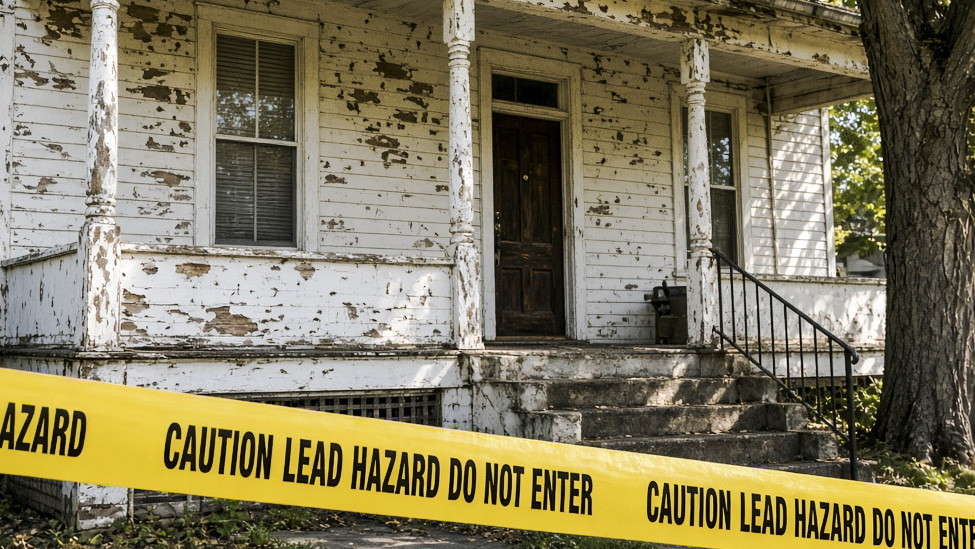
 The Lead Paint Legacy Real Estate Owners Must Take SeriouslySaturday, August 22nd, 2026
 -

-
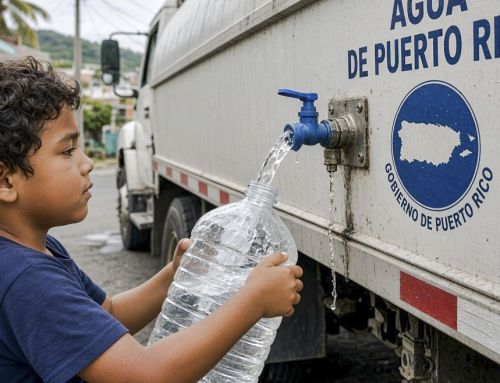
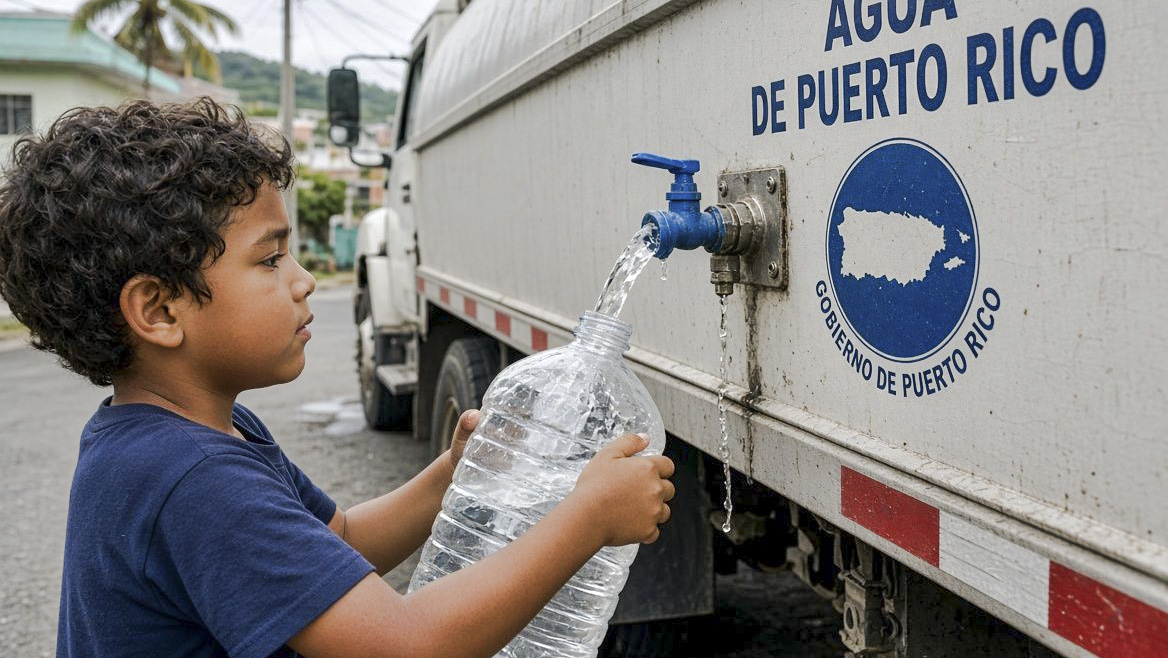
 Puerto Rico’s Water Crisis – The Era of Potable Water Bankruptcy Has ArrivedSaturday, August 8th, 2026
 -
 Commercial Space Launch Reform – FAA Proposal Will Cut Years from Licensing ApprovalsSaturday, August 1st, 2026
 -
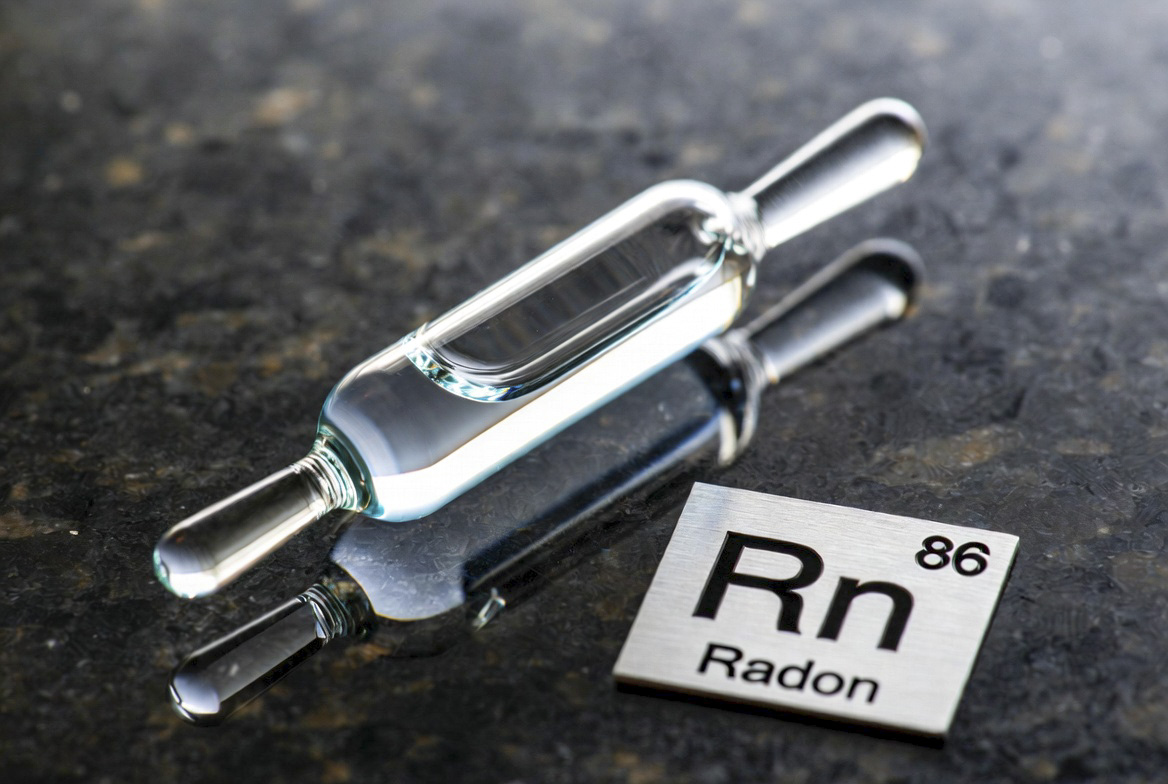
 Radon – Test and Decide for YourselfSaturday, July 25th, 2026
View by Month/Year
“Green Building Law Update” Headlines
Recent Articles & News from
Stuart Kaplow’s blog
at GreenBuildingLawUpdate.com
Subscribe to the Green Building Law Update!
Stuart Kaplow brings his expertise and extensive experience to the table with his unique digital publication, "Green Building Law Update". Subscribers receive regular updates to keep them informed about important issues surrounding Environmental Law, Green Building & Real Estate Law, as well as the emerging demand for Environmental Social Governance (ESG).
Get fresh content through the lense of Stuart Kaplow's cutting-edge expertise, innovative commentary and insider perspective. Don't miss another issue! Subscribe below.

More Than Green Buildings, Green Roads
If green building is going to repair the planet it will have to include green roads.
Over 65% of the impervious surfaces in the U.S. are related to transportation (e.g., roads, parking lots, sidewalks, and driveways), with the vast majority being roads. There are 4,180,817 miles of roads in the U.S. Roads are the largest built structures Americans come into contact with and yet they are so ubiquitous and familiar that they have become an impervious given, the dark matter of the motor vehicle cosmos. The amount of impervious roads is larger than the size of the state of Ohio. And the negative environmental impacts associated with all that impervious surface are daunting.
Additionally, road building consumes a lot of energy. Building a one mile long single road lane uses as much energy used to power 50 American households in a single year.
But when modern American society thinks about green building, those thoughts are almost universally of buildings and not of infrastructure like roads and bridges. As sustainability increasingly becomes mainstream, one of the strategies some government departments of transportation have adopted is a “green streets and highways rating system.” Similar to LEED certification for buildings, emerging sustainability initiatives for roads are slowly picking up speed across the nation although there is no current widely accepted standard or practice for rating green roads.
But, established in 2010 and gaining traction today, Greenroads Foundation is an independent nonprofit advancing sustainability education and initiatives for roads. As the developer of the Greenroads Rating System, the foundation manages the review and certification process for sustainable roadway and bridge construction projects in the U.S. and internationally.
The Greenroads Rating System was the first third party, point based system available to certify sustainable roadway and transportation infrastructure projects. There are 61 credits in the current version and 12 of those are mandatory. The points translate to one of four certification levels: Bronze, Silver, Gold and Evergreen. Greenroads v3 is being released on August 27.
There are currently more than 130 projects registered for the Greenroads Project Rating Program valued at more than $32 billion. According to Dr. Jeralee Anderson, the President/ CEO and co-founder of Greenroads International,
“In the past ten years, Greenroads has grown from an initial inspiration supported by volunteers to a global nonprofit supported by a full-time operations staff, volunteers from all over the world, and more than 5,000 users in 64 countries. I am looking forward to seeing my team and our network of Greenroads leaders transform transportation infrastructure in every community as we shape a global green recovery.”
Everyone is invited to the free 10th anniversary virtual gala on August 27 at 7 pm EST. Information is here.
In 2020 when so much has changed, including when ‘What Is Cinema?’ is “out” and ‘What Is Television’ is “in” streets are undergoing a rethinking for Uber pickup lanes, delivery vehicle pull off lanes, consumer curbside delivery areas, not to mention bike lanes, reduced off street parking requirements and more, the public supports sustainable roads being part of that evolution. If it is possible to predict anything related to COVID-19, it appears likely federal government relief will include significant infrastructure spending making green roads an urgent issue.
I walked on what many believe to be the first ever paved street dating to around 4,000 BC in an archaeological site near the modern village of Harappa, Pakistan, and it struck me at that time in 2018, we had no come very far in road construction in 6,000 years. Maybe the photo above of the City of Tacoma team with the highest scoring Greenroads project to date, will change that?
If green building is going to repair the planet, society will have to think with a more expansive mindset than only buildings and Greenroads can be part of the expanded mix on solutions.
About the Author: Stuart Kaplow