View by Topic
Recent Articles
-
 The Great Climate Reevaluation – Affordability Trumped Environment in the 2026 MidtermsSaturday, November 7th, 2026
-
 Challenge To FAA’s Drone Delivery Rule – What Commercial Real Estate Needs to KnowSaturday, October 31st, 2026
-
 The Hidden Transaction Costs of Residential SolarSaturday, October 24th, 2026
-
 Australia’s High Court Puts Scope 3 GHG Emissions Back on the U.S. Business Risk MapSaturday, October 17th, 2026
-
 D.C. Circuit Upholds PFAS Hazardous Designation – Critical Implications for Real EstateSaturday, October 10th, 2026
View by Month/Year
“Green Building Law Update” Headlines
Recent Articles & News from
Stuart Kaplow’s blog
at GreenBuildingLawUpdate.com
- Maryland’s New Recycling Tax? Packaging EPR Moves From Law to Reality September 27, 2026
- Exposomics – The New Environmental Risk That Will Change Real Estate September 20, 2026
- No Constitutional Right to Clean Drinking Water? Fifth Circuit Says Not So Fast September 13, 2026
- The Air We Share – Why Indoor Air Is Becoming a Real Estate Risk September 6, 2026
Subscribe to the Green Building Law Update!
Stuart Kaplow brings his expertise and extensive experience to the table with his unique digital publication, "Green Building Law Update". Subscribers receive regular updates to keep them informed about important issues surrounding Environmental Law, Green Building & Real Estate Law, as well as the emerging demand for Environmental Social Governance (ESG).
Get fresh content through the lense of Stuart Kaplow's cutting-edge expertise, innovative commentary and insider perspective. Don't miss another issue! Subscribe below.
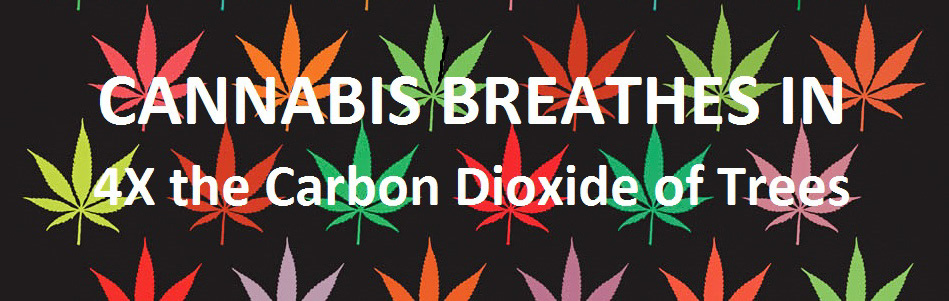
Cannabis Cultivation has Growing Environmental Implications
Cannabis cultivation is not new, but beginning in the 1990s when states began to legalize medical marijuana and recently as state laws evolved, decriminalizing and legalizing recreational use of cannabis, the burgeoning industry has brought with it environmental implications, including of water and energy use.
Energy consumption for cannabis cultivation can be incredibly significant and vary widely between different methods of growing but any way you measure it, it is huge. Anecdotally, last year in Boulder County, Colorado during the second quarter of 2015, a modest 5,000 square foot indoor cannabis facility was consuming over 29,000 kWh of electricity each month. A single family home in Colorado might be consuming about 630 kWh.
Water is also dramatic in cannabis production, as it can with other agricultural uses. Water consumption data for cannabis is scarce, but at least one scientific study determined that a mature cannabis plant can consume up to 22.7 liters of water per day in a 150 day growing season. By comparison, a wine grape plant uses approximately 12.64 liters of water per day.
Moreover, most governments have not begun to consider matters of pesticide and fertilizer use in cultivation, not mention matters of fungicides used in post growing production and much more. Tobacco in cigarettes is highly regulated, but ‘not so much’ for cannabis. And what is regulated by most jurisdictions today are matters of security surrounding cannabis but not environmental concerns.
Boulder County, in one of the few regulatory efforts to address increased cannabis production, created a requirement for renewable energy and an Energy Impact Offset Fund. Cannabis cultivation operations must either directly offset 100% of electricity and any natural gas, liquid fuel, bio‐fuel or propane consumption through a subscription in a Community Solar Garden, renewable energy generated on site, or equivalent approved by the Building Official or pay a monthly fee of 2.16 cents per kWh into the Energy Impact Offset Fund.
In Washington State, Mason County Public Utility District made the decision to have an electricity rate classification specifically for emergent legal cannabis producers and processors. The rate producers and processors pay falls between the small commercial and large commercial energy rates.
In Oregon the Cannabis Environmental Best Practices Task Force has approved recommendations expected to be presented to the legislature later this month. The draft report recommends:
(1) Support access to education and technical assistance related to best cultivation practices;
(2) Support the creation of voluntary third party certification programs;
(3) Encourage research into cannabis issues, including environmental best practices, health, and other aspects of the cannabis sector; and
(4) Investigate water regulations for small‐scale producers.
Should the legislature tackle these issues, Oregon may be the national model for environmentally friendly cannabis production, at this time when little regard has been given to environmental issues in the rapid expansion of legal cannabis.
About the Author: Stuart Kaplow