
View by Topic
Recent Articles
-
 The Lead Paint Legacy Real Estate Owners Must Take SeriouslySaturday, August 22nd, 2026
 -

-
 Puerto Rico’s Water Crisis – The Era of Potable Water Bankruptcy Has ArrivedSaturday, August 8th, 2026
 -
 Commercial Space Launch Reform – FAA Proposal Will Cut Years from Licensing ApprovalsSaturday, August 1st, 2026
 -
 Radon – Test and Decide for YourselfSaturday, July 25th, 2026
View by Month/Year
“Green Building Law Update” Headlines
Recent Articles & News from
Stuart Kaplow’s blog
at GreenBuildingLawUpdate.com
Subscribe to the Green Building Law Update!
Stuart Kaplow brings his expertise and extensive experience to the table with his unique digital publication, "Green Building Law Update". Subscribers receive regular updates to keep them informed about important issues surrounding Environmental Law, Green Building & Real Estate Law, as well as the emerging demand for Environmental Social Governance (ESG).
Get fresh content through the lense of Stuart Kaplow's cutting-edge expertise, innovative commentary and insider perspective. Don't miss another issue! Subscribe below.
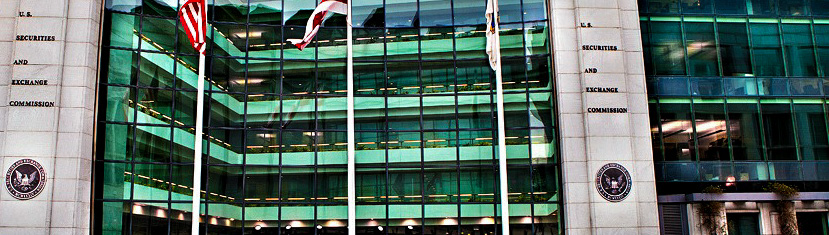
More Robust Enforcement of SEC Climate Change Disclosures
A great deal of attention has been paid in recent days to a 5 year old Securities and Exchange Commission guidance, “Commission Guidance Regarding Disclosure Related to Climate Change,” which seeks to provide transparency to investors on the material risks posed by climate change.
Recently The Los Angeles Times reported Exxon Mobil is under investigation by California Attorney General Kamala Harris over claims that the company “lied about climate change risks” in statements the company made to investors.
Last November, in a settlement with New York Attorney General Eric T. Schneiderman, Peabody Energy said that it would disclose more about climate change risks in its regular filings with the SEC. That same month the same attorney general’s office confirmed it sent Exxon Mobil a subpoena for climate change information. And while oil companies and the coal industry have been targets of activists, this is not a fossil fuel industries issue.
In a recent letter 35 members of Congress wrote to the SEC expressing concern “about the level of scrutiny the SEC is utilizing to robustly and effectively enforce” the 2010 guidance. Adopted by the SEC commissioners in a 3 – 2 split vote, the 2010 guidance made clear SEC disclosure requirements for public companies on the impact that “climate change may have on its business.”
I wrote in a blog post last August that our law firm had at that time received more inquiries than in all recent years combined about those SEC climate change disclosure requirements. That level of inquiry is across a broad breadth of public companies and actually peaked in late 2015 (even continuing in early 2016) in anticipation of 10-K filings.
The 5 year old guidance is taking on new politically charged significance where students at the Columbia University Energy and Reporting Fellowship, in concert with The Los Angeles Times, last year published stories about Exxon Mobil’s disclosures, which media sources were heralded by both the New York and California attorneys general.
While data culled from filings of public companies listed on U.S. stock exchanges reveals that last year nearly one third of companies made an SEC climate change disclosure, it is clear that a much larger number of companies undertook “management discussion and analysis” of these requirements.(.. arguably all public companies should have untaken the analysis).
A variety of public companies have expressed concern that some state laws, like New York have a lower threshold than the SEC (i.e., not requiring an intent to misrepresent or withhold information) which makes more urgent corporate discussion and analysis of possible disclosures about climate change.
And it is anticipated by commentators that the SEC will in the future more robustly enforce the climate change guidance.
Climate change has become a topic of intense public discussion in recent years. Scientists, government leaders, regulators, businesses, investors, and the public at large continue to express heightened interest in the subject. Existing disclosure requirements as they apply to climate change are concomitantly evolving and broadening. We continue to assist corporate counsel, both through our law firm and non law subsidiary, in satisfying their environmental disclosure obligations under federal and state laws and regulations.
About the Author: Stuart Kaplow