View by Topic
Recent Articles
-
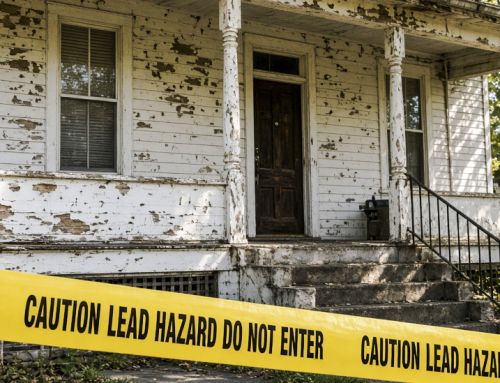
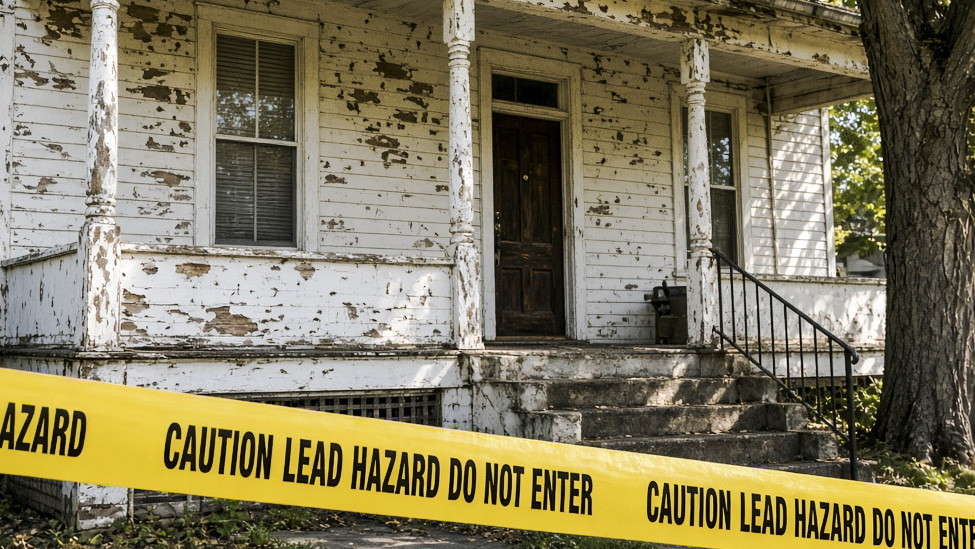
 The Lead Paint Legacy Real Estate Owners Must Take SeriouslySaturday, August 22nd, 2026
 -

-
 Puerto Rico’s Water Crisis – The Era of Potable Water Bankruptcy Has ArrivedSaturday, August 8th, 2026
 -
 Commercial Space Launch Reform – FAA Proposal Will Cut Years from Licensing ApprovalsSaturday, August 1st, 2026
 -
 Radon – Test and Decide for YourselfSaturday, July 25th, 2026
View by Month/Year
“Green Building Law Update” Headlines
Recent Articles & News from
Stuart Kaplow’s blog
at GreenBuildingLawUpdate.com
Subscribe to the Green Building Law Update!
Stuart Kaplow brings his expertise and extensive experience to the table with his unique digital publication, "Green Building Law Update". Subscribers receive regular updates to keep them informed about important issues surrounding Environmental Law, Green Building & Real Estate Law, as well as the emerging demand for Environmental Social Governance (ESG).
Get fresh content through the lense of Stuart Kaplow's cutting-edge expertise, innovative commentary and insider perspective. Don't miss another issue! Subscribe below.

TSCA on the Cusp of being Overhauled by Congress
The federal Toxic Substances Control Act (TSCA) was enacted in 1976 to protect the environment and the public’s health against risks posed by chemicals in materials in commerce. Forty years later, there is general agreement that the law has not kept pace with the marketplace and Congress is on the cusp of overhauling the law and affecting a very large number of industries and business not currently regulated under the law.
The current abstract impressionism of a regulatory scheme exits because of the perception that TSCA is no longer an adequate tool for providing protection against chemical risks, includes a patchwork of state laws that vary from the restrictive Washington state Children’s Safe Products Reporting Rule to no regulation in some states, is made more complicated by non governmental programs like the USGBC’s LEED green building rating system that incorporates Materials & Resources credits including building product and material ingredient disclosure and optimization.
Seeking greater certainty and predictability business has by and large supported the current Congressional efforts.
Some perspective is likely appropriate because there were only five existing chemicals in the stream of commerce before TSCA went into effect that EPA deemed harmful and just four new chemicals that came to market after 1976 that have since been banned under the law.
On December 17, 2015 the Senate, in a move that surprise many, voted unanimously to approve the legislation approved by the House of Representatives on June 23, 2015 by a 388 to 1 vote.
Specifically, the Senate did not vote on SB 697, but rather passed HR 2576 after amending that House bill “to strike all after the enacting clause and insert” the text of SB 697. Approved by voice vote, without a printing of the amendment, the text appeared in in the Congressional Record daily edition of that date.
Appreciate that the House passed version is 46 pages in length while the Senate passed bill is 211 pages long. And despite that the Senate version offers much more detail and provisions absent in the House bill, the House bill does contain several provisions not found in the Senate version.
The House could vote to accept the Senate version. Also possible, an amendment exchange could take place between the two bodies to resolve the differences (arguably the Senate has already commenced that process) but the Congressional leadership has not announced a schedule for moving forward. However, it is more likely a conference committee will be empaneled to seek reconciliation.
Substantively, it appears the Senate bill as amended does not address EPA’s expressed concerns about the preemption provision that allows states to regulate a chemical while EPA evaluates it for safety. Given the length of time it may take for such an EPA assessment (proposed to be “only” up to 5 years under the bill), this is more than a dormant Commerce Clause theoretical Constitutional issue to businesses that may be impacted.
The bill broadens prioritization for screening chemicals to give a preference for chemicals scoring high for persistence and moderate or high for bioaccumulation as well as certain subsequently identified chemicals that are known human carcinogens and have a high acute and chronic toxicity ( .. think asbestos). The amendments also made a preference for broad categories of chemicals stored near a significant drinking water source (.. think Elk River, West Virginia chemical spill).
The new TSCA greatly expands EPA’s already broad chemical regulatory authority and all businesses should determine how they may be impacted. It should also portend revisions to LEED materials credits and other nongovernmental standards pegged to federal and state laws. If we can assist your business in appreciating and taking advantage of federal and state regulation of chemicals, do not hesitate to give Stuart Kaplow a call.
About the Author: Stuart Kaplow