View by Topic
Recent Articles
-
 The Lead Paint Legacy Real Estate Owners Must Take SeriouslySaturday, August 22nd, 2026
 -

-
 Puerto Rico’s Water Crisis – The Era of Potable Water Bankruptcy Has ArrivedSaturday, August 8th, 2026
 -
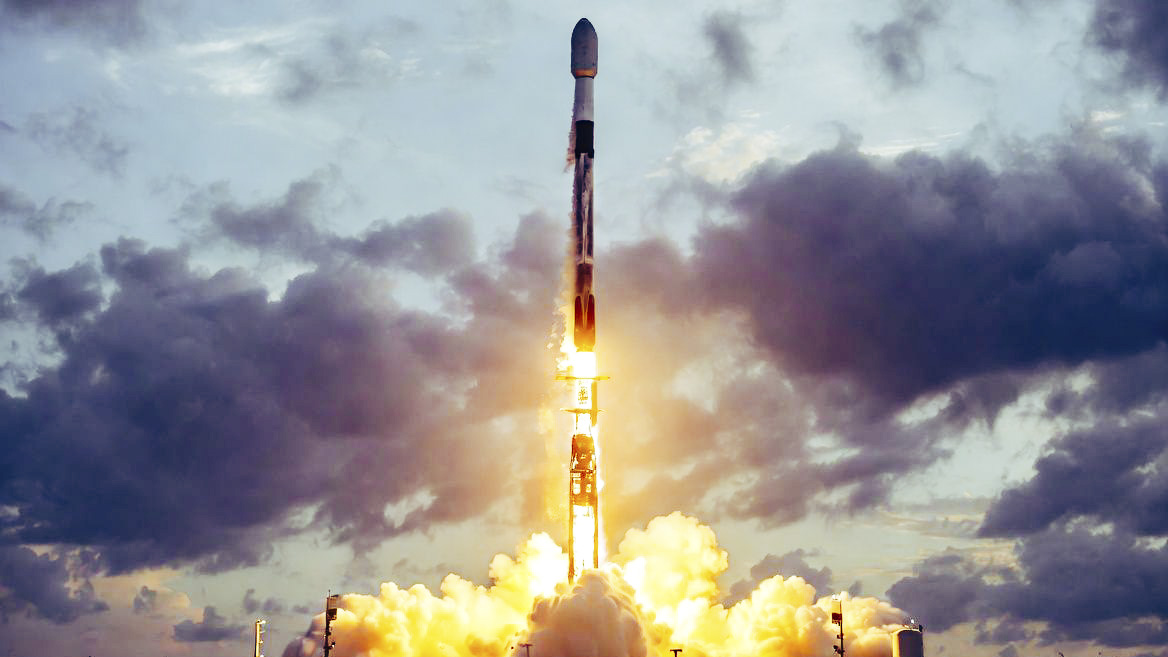
 Commercial Space Launch Reform – FAA Proposal Will Cut Years from Licensing ApprovalsSaturday, August 1st, 2026
 -
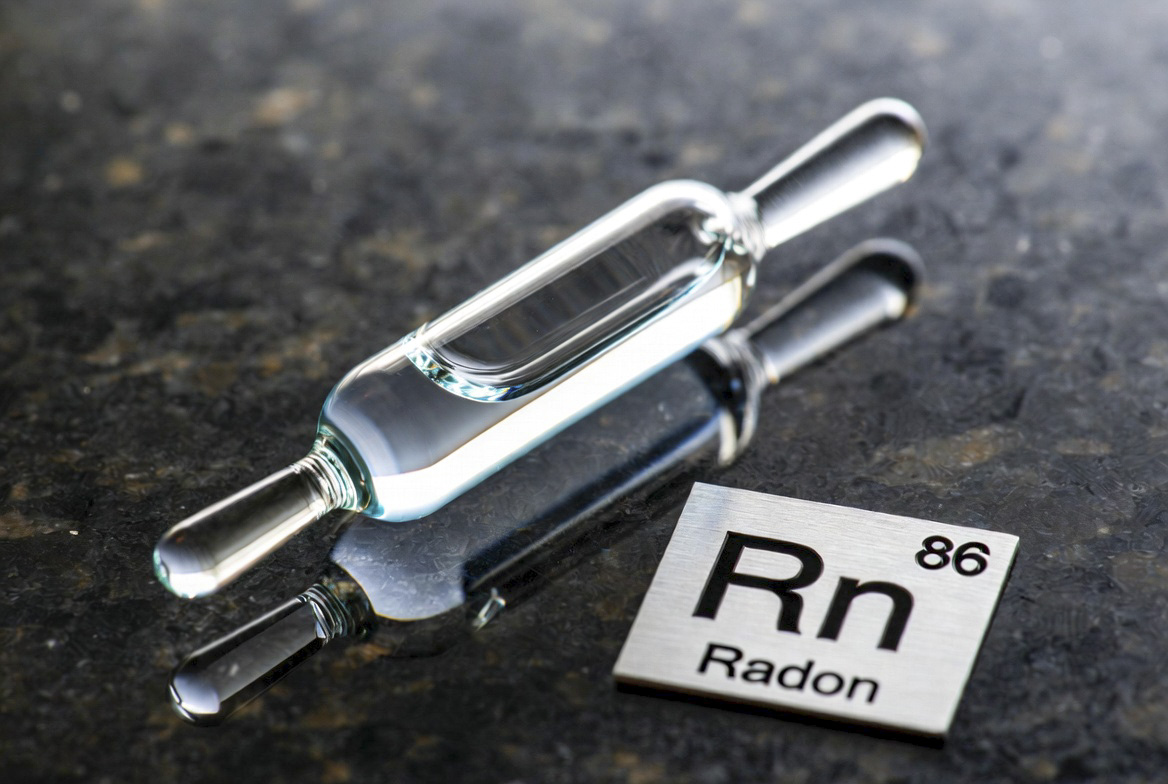
 Radon – Test and Decide for YourselfSaturday, July 25th, 2026
View by Month/Year
“Green Building Law Update” Headlines
Recent Articles & News from
Stuart Kaplow’s blog
at GreenBuildingLawUpdate.com
Subscribe to the Green Building Law Update!
Stuart Kaplow brings his expertise and extensive experience to the table with his unique digital publication, "Green Building Law Update". Subscribers receive regular updates to keep them informed about important issues surrounding Environmental Law, Green Building & Real Estate Law, as well as the emerging demand for Environmental Social Governance (ESG).
Get fresh content through the lense of Stuart Kaplow's cutting-edge expertise, innovative commentary and insider perspective. Don't miss another issue! Subscribe below.
Promoting Electric Vehicles as Environmental Policy or Corporate Welfare
Maryland has been a leader in the promotion of plug-in electric vehicles.
In addition to federal government incentives, a total of 37 states and Washington, D.C. have created incentives for plug-in electric vehicles.
While Maryland offers non-monetary incentives such as priority parking and high occupancy vehicle (HOV) lane access regardless of the number of occupants (when displaying an HOV permit on the vehicle), it is the dollar cost and source of funds for that public policy that is now drawing attention.
Maryland residents may be eligible for a one time excise tax credit, up to $3,000.00, when they purchase or lease a qualifying plug-in electric vehicle through June 30, 2017. Businesses may also qualify for the tax credit on up to ten vehicles.
Residents, governments and businesses can also acquire a Maryland Energy Administration rebate for purchasing and installing an electric vehicle charging station, known as Electric Vehicle Supply Equipment (EVSE). The rebate is 50% of the purchase and installation price capped for residential at $900, commercial at $5,000, and for retail service stations at $7,500. The EVSE rebate program is for systems installed before June 30, 2017, but rebates are issued on a first-come, first-served basis.
The rebates are issued on a first-come basis, as are the excise tax credits, because those programs must be funded. And while Maryland has received limited federal grant funding for this purpose and used a portion of its share in a Clean Air Act suit settlement, most of the funding comes through EmPOWER Maryland from the Regional Greenhouse Gas Initiative (RGGI). RGGI is a multi-state emissions cap and trade program designed to reduce CO2 by causing electric utilities to purchase emission allowances which are ultimately paid for by the utility customers on their monthly bills.
Maryland is one of several states that have statutes generally prohibiting car manufacturers from operating dealerships. HB 235, pending on this final day of the 2015 Maryland legislative session, authorizes a car manufacturer to be licensed as a dealer if it deals only in plug-in electric or nonfossil-fuel burning vehicles, so that Tesla that bypasses the traditional model for selling vehicles through franchised dealers can operate in Maryland. The debate over the legislation has called into question the environmental policy of advantaging plug-in electrics.
One key public policy question that had previously been little debated in Maryland, or elsewhere, is whether utility customers should pay for the investment in car charging stations. It is arguably corporate welfare at its worst to subsidize utility monopolies with a regressive fee on electricity. Some suggest utility shareholders should fund business opportunities. And in Maryland many of the charging stations are old or bad technology by the time they are installed.
Another policy conundrum is that while there are 23 plug in cars available in the U.S. market from 12 manufacturers, they are expensive vehicles and the highest sales in Maryland are to residents in the top 10 wealthiest zip codes, with over the half of those 2014 sales within in two high incomes counties, Montgomery and Howard, thereby subsidizing wealthy vehicle purchasers.
Also little debated is the larger question of the efficacy of plug-in electric vehicles in a state like Maryland where 60% of the electricity is generated from coal. That is, coal fired power plants produce the electricity for those vehicles.
None of this is to suggest electric vehicles should not fit into the mix, but is government choosing winners and losers, including is it disadvantaging natural gas vehicles that benefit from new abundancies and perpetuating obstacles to fuel cell vehicles that are fighting to enter the broader market? There is little doubt that today, the final day of legislative session, Maryland will change the law to allow Telsa retail stores in Maryland, but is any of this good environmental policy?
About the Author: Stuart Kaplow