View by Topic
Recent Articles
-
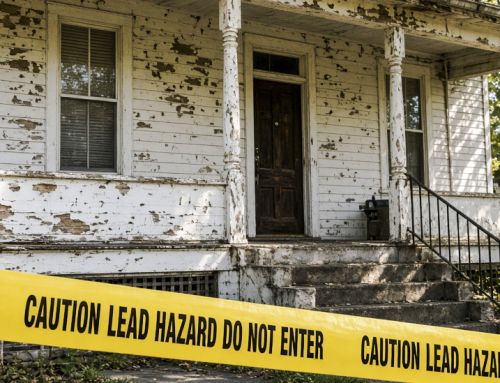
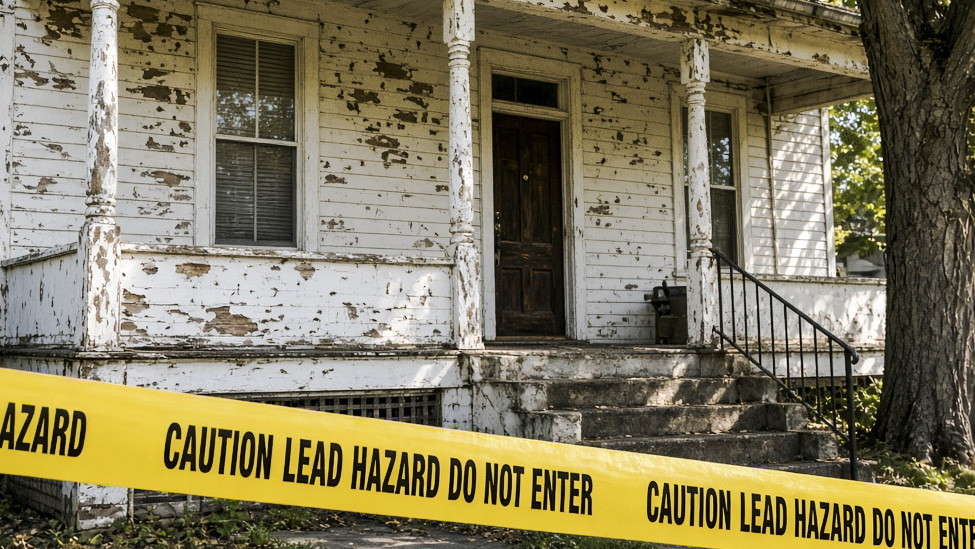
 The Lead Paint Legacy Real Estate Owners Must Take SeriouslySaturday, August 22nd, 2026
 -

-
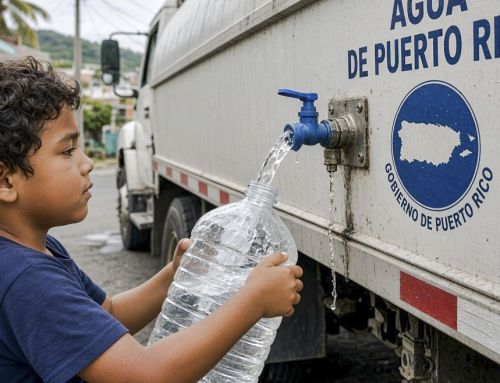
 Puerto Rico’s Water Crisis – The Era of Potable Water Bankruptcy Has ArrivedSaturday, August 8th, 2026
 -
 Commercial Space Launch Reform – FAA Proposal Will Cut Years from Licensing ApprovalsSaturday, August 1st, 2026
 -
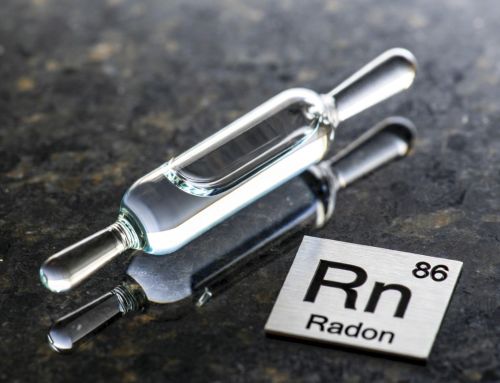
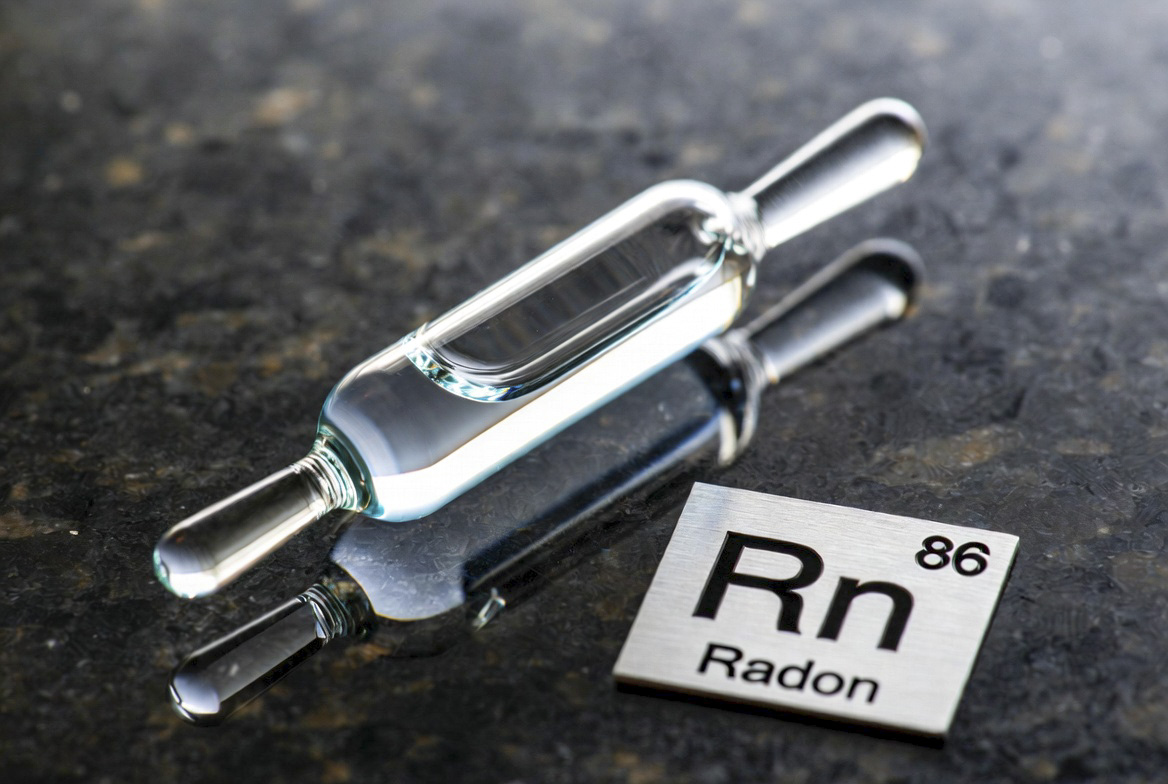
 Radon – Test and Decide for YourselfSaturday, July 25th, 2026
View by Month/Year
“Green Building Law Update” Headlines
Recent Articles & News from
Stuart Kaplow’s blog
at GreenBuildingLawUpdate.com
Subscribe to the Green Building Law Update!
Stuart Kaplow brings his expertise and extensive experience to the table with his unique digital publication, "Green Building Law Update". Subscribers receive regular updates to keep them informed about important issues surrounding Environmental Law, Green Building & Real Estate Law, as well as the emerging demand for Environmental Social Governance (ESG).
Get fresh content through the lense of Stuart Kaplow's cutting-edge expertise, innovative commentary and insider perspective. Don't miss another issue! Subscribe below.
Microbeads Ban in Maryland will be more Efficacious than Others
Synthetic plastic microbeads are an effective mild abrasive ingredient appearing since the 1990s in personal care products including facial cleansers, shampoos, and toothpastes.
Environmental interests have sought to ban microbeads contending the plastic microbeads (that look like tiny colorful dots), cannot be treated by conventional wastewater treatment plants, resulting in their discharge into waterways and posing a threat to the ecosystem through ingestion by fish and other animals in the food chain. As a result microbeads arguably pose a potential human health threat when people consume fish and other animals that have ingested microbeads, as well as directly from the pollution of water supplies.
Overall, the annual per-capita consumption of microbeads from cosmetics and personal care products in the United States is estimated at approximately 0.0309 ounces per person per year, which adds up to over 300 tons of microbeads being discharged into the U.S. wastewater stream each year.
The Maryland legislature passed and last month Governor Larry Hogan signed into law House Bill 216, now enrolled as Chapter 409, prohibiting the manufacture of a personal care product containing “synthetic plastic microbeads,” beginning December 31, 2017, and the sale of such a product beginning December 31, 2018.
The bill defines “synthetic plastic microbeads” as any intentionally added solid plastic particle that is not biodegradable, less than five millimeters in size, and used in a rinse-off personal care product for exfoliation or cleansing purposes. Under the bill, a “personal care product” means a manufactured good or a component of a manufactured good that is intended to be rubbed, poured, sprinkled, or sprayed on, introduced into, or otherwise applied to the human body for purposes of cleansing, beautifying, promoting attractiveness, or altering appearance. A “personal care product” does not include a prescription drug. And the bill does not ban microbeads used in science research or fluid visualization and fluid flow analysis.
Illinois became the first state in June 2014 to ban the manufacture or sale of plastic microbeads effective 2018. Since then, Maine, New Jersey and Colorado have passed similar phased-in bans. Legislation is pending in several states, including California, New York, and Washington.
Some contend the bans should also cover even biodegradable microbeads.
But the Maryland law is progressive in responding to the evolving science by requiring the adoption of regulations that identify biodegradable guidelines for wastewater treatment plants and the state must periodically review those guidelines to ensure that the most scientifically effective methods are being used. Today the initial regulations are anticipated to authorize the use alternatives such as crushed seeds and nutshells; however, in the future innovative solutions may be considered, including polyhydroxyalkanoate, or PHA, a naturally occurring plastic like material produced by mushrooms.
Just 2 years ago Hayden Panettierre told us microbeads were chic in this commercial. Today, more than 3,000 consumer products contain plastic microbeads. And now several of the largest producers of personal care products containing microbeads have pledged to phase out microbeads from their products.
In the 80 years since the start of its commercial production, plastic has become integral to our way of life. Many of the desirable properties of plastic, that it is low cost, durable, and corrosion resistance, also contribute to the rate at which it is consumed, discarded and is accumulating in our environment. We recognize the threat when we see plastic six-pack rings entangling wildlife, but just because we cannot see micro plastic smaller than 5 millimeters does not mean that the over 300 tons discharged annually does not exist, and is not a threat that we must address.
About the Author: Stuart Kaplow