View by Topic
Recent Articles
-
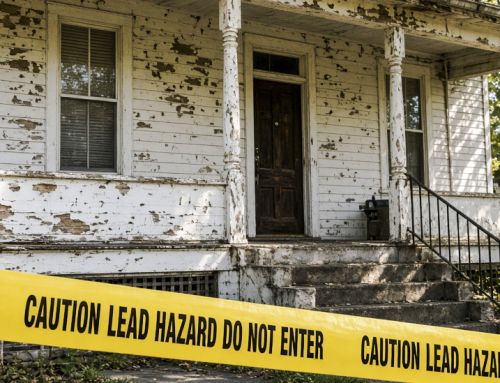
 The Lead Paint Legacy Real Estate Owners Must Take SeriouslySaturday, August 22nd, 2026
 -

-
 Puerto Rico’s Water Crisis – The Era of Potable Water Bankruptcy Has ArrivedSaturday, August 8th, 2026
 -
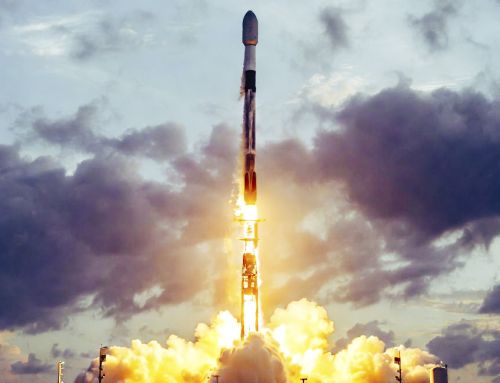
 Commercial Space Launch Reform – FAA Proposal Will Cut Years from Licensing ApprovalsSaturday, August 1st, 2026
 -
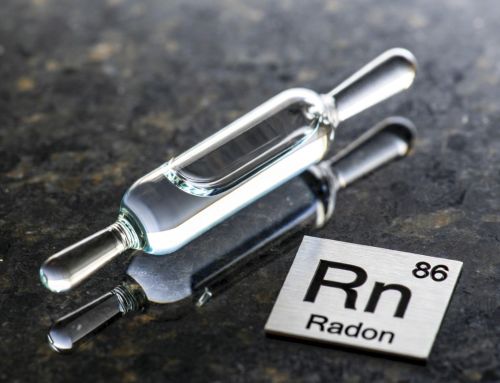
 Radon – Test and Decide for YourselfSaturday, July 25th, 2026
View by Month/Year
“Green Building Law Update” Headlines
Recent Articles & News from
Stuart Kaplow’s blog
at GreenBuildingLawUpdate.com
Subscribe to the Green Building Law Update!
Stuart Kaplow brings his expertise and extensive experience to the table with his unique digital publication, "Green Building Law Update". Subscribers receive regular updates to keep them informed about important issues surrounding Environmental Law, Green Building & Real Estate Law, as well as the emerging demand for Environmental Social Governance (ESG).
Get fresh content through the lense of Stuart Kaplow's cutting-edge expertise, innovative commentary and insider perspective. Don't miss another issue! Subscribe below.
IgCC will now be Powered by ASHRAE 189.1
This article first appeared on my Green Building Law Update blog. The Green Building Law Update blog is intended for the entire environmental industrial complex (not just lawyers).
Please sign up for notice of new blog posts via email, at Green Building Law Update blog.
Last Friday, the International Code Council and ASHRAE announced they signed an “agreement that the new version of the International Green Construction Code (IgCC), .. scheduled to be released in 2018, .. will be powered by” ASHRAE Standard 189.1 for the Design of High-Performance Green Buildings.
Much of the early reaction has been nonplussed given that, today, there are only a handful of IgCC green buildings.
The ICC will still be responsible for IgCC Chapter 1, Scope and Administration, so that the green code will continue to be integrated into the ICC construction codes. And now that ASHRAE will be developing all the technical provisions of the IgCC, ICC announced the “2017 Group C cycle to develop the 2018 IgCC has been cancelled.”
By way of background, in 2005, U.S. Green Building Council and Illuminating Engineering Society of North America, worked in concert with and provided technical support to ASHRAE in developing the first ASHRAE Standard 189.1. Shortly thereafter, independently, ICC began development of the IgCC, which was first published in 2009. Standard 189.1 was published with the IgCC as an optional alternative compliance path for governments adopting a green code.
Against that blurring of the lines between green building standards, codes and rating systems, in 2014 the ICC, ASHRAE, the American Institute of Architects, the IES, and the USGBC announced the signing of a memorandum “to collaborate on the development of future versions of Standard 189.1 and the LEED green building program.” From that agreement has come an Executive Steering Committee to align the green programs.
The 2018 green code also will align with LEED to provide “a streamlined, effective set of regulatory and above-code options.” To achieve LEED certification, buildings will continue to have to satisfy prerequisites and earn credits above levels necessary to meet the IgCC.
Some are concerned that relying on ASHRAE’s technical expertise alone risks further stifling innovation in green building. Accepting that green building is a geoengineering solution to the negative impacts that man has on the natural environment, anything that might further slow and already stalling domestic green building market is problematic.
Others are concerned that the nonpublic written agreements between these stakeholder groups despoil any purported voluntary consensus process, favoring one industry player over another in the multi Billion dollar domestic construction industry.
But many commentators suggest the real problem can be traced to March 18, 2002, when the City of Normal, Illinois enacted the first law mandating that all new buildings within a business development district be required to achieve LEED certification. LEED was designed as a voluntary rating system and to gerrymander it into a code is not efficacious. Many believe that voluntary, non mandatory green building is the best hope for environmental protection and stewardship of our planet; hence the broad brand and wide market share acceptance of LEED.
The broad failure of the IgCC to be implemented by only 19 of the 89,055 governments with permitting authority in the country portends a mandatory code that goes far beyond life safety may be going too far.
But the announcement last Friday means there will be a 2018 version of the IgCC (.. something that was less than certain given the very low market acceptance of the IgCC). Whether created by the ICC or by ASHRAE, a mandatory IgCC will remain controversial. This change also means there will continue to be green standards, codes and rating systems. Such is good for green building and good for the stewardship of our planet.
About the Author: Stuart Kaplow