View by Topic
Recent Articles
-
 The Lead Paint Legacy Real Estate Owners Must Take SeriouslySaturday, August 22nd, 2026
 -

-
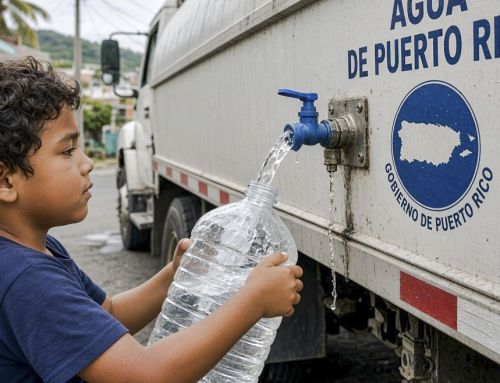
 Puerto Rico’s Water Crisis – The Era of Potable Water Bankruptcy Has ArrivedSaturday, August 8th, 2026
 -
 Commercial Space Launch Reform – FAA Proposal Will Cut Years from Licensing ApprovalsSaturday, August 1st, 2026
 -
 Radon – Test and Decide for YourselfSaturday, July 25th, 2026
View by Month/Year
“Green Building Law Update” Headlines
Recent Articles & News from
Stuart Kaplow’s blog
at GreenBuildingLawUpdate.com
Subscribe to the Green Building Law Update!
Stuart Kaplow brings his expertise and extensive experience to the table with his unique digital publication, "Green Building Law Update". Subscribers receive regular updates to keep them informed about important issues surrounding Environmental Law, Green Building & Real Estate Law, as well as the emerging demand for Environmental Social Governance (ESG).
Get fresh content through the lense of Stuart Kaplow's cutting-edge expertise, innovative commentary and insider perspective. Don't miss another issue! Subscribe below.
Climate Change Disclosures by Public Companies
In recent weeks this law firm has received more inquiries than at any time in recent years about the Securities and Exchange Commission’s disclosure requirements for public companies as they apply to climate change matters.
Possibly the Environmental Protection Agency’s proposed rule for emission reductions for existing power plants triggered this heightened level of interest or it could be President Obama’s newly announced series of executive actions on climate change or maybe it is simply increased concern over shareholder activism. The SEC required disclosures are not limited to automobile manufactures and electricity generating utilities, but also may apply to a broad breadth of industries, including by way of example, real estate (i.e., if only as an indirect consequence of buildings accounting for 72% of the electricity consumption in the U.S.).
Federal securities laws and SEC regulations require certain disclosures by public companies for the benefit of investors.
When a company is required to file a disclosure with the Commission, those disclosures (e.g., notes in an annual report) will largely track the disclosure requirements of Regulation S-K and Regulation S-X. Securities Act Rule 408 and Exchange Act Rule 12b-20 require a registrant to disclose, in addition to the information expressly required by Commission regulation, “such further material information, if any, as may be necessary to make the required statements, in light of the circumstances under which they are made, not misleading.”
The SEC first addressed disclosure of material environmental issues in the early 1970s. The Commission issued guidance that public companies should consider disclosing in their SEC filings the financial impact of compliance with environmental laws.
In 2010, by a 3 – 2 split by the vote of five SEC commissioners, the SEC issued guidance on SEC disclosure requirements for companies on the impact that “climate change may have on its business.” Based upon that SEC guidance, the following areas are examples of where climate change may trigger disclosure requirements:
Legislation and Regulation: When assessing potential disclosure obligations, a company should consider whether the impact of existing or pending laws and regulations regarding climate change is material.
International Accords: A company should consider, and disclose when material, the risks or effects on its business of international accords and treaties relating to climate change (e.g., COP 21 is only weeks away).
Indirect Consequences of Regulation or Business Trends: Legal, technological, political and scientific developments regarding climate change may create new opportunities or risks for companies. For instance, a company may face decreased demand for goods that produce significant greenhouse gas emissions or increased demand for goods that result in lower emissions than competing products. As such, a company should consider, for disclosure purposes, the actual or potential indirect consequences it may face due to climate change related regulatory or business trends.
Physical Impacts of Climate Change: Companies should also evaluate significant physical effects of climate change, such as effects on the severity of weather (for example, floods or hurricanes), sea level, the arability of farmland, and water availability and quality, etc.
Among the existing disclosure rules that may now advisedly trigger climate change disclosures, the SEC casts a broader, more subjective interpretation of its requirements for ‘management discussion and analysis’ disclosures, which practically require the company to disclose “currently known trends, events, and uncertainties that are reasonably expected to have material effects.”
In 2010, immediately after the SEC guidance, this law firm worked with a large number of publicly traded companies and their counsel and outside consultants to advise them about these requirements. That year more than 25% of public companies used the term “climate change” in their annual report, most for the first time.
Data culled from filings of public companies listed on U.S. stock exchanges reveals that last year less than 30% of companies made a climate change disclosure. The heightened interest we have experienced suggests that number will be increasing.
We assist public companies in matters of climate change and sustainability, including voluntary environmental reports, as well as SEC disclosures and financial statement compliance. If we can assist your company, please contact Stuart Kaplow.
About the Author: Stuart Kaplow