View by Topic
Recent Articles
-
 Clean Water Isn’t a Constitutional Right? Fifth Circuit Says NoSaturday, September 12th, 2026
 -
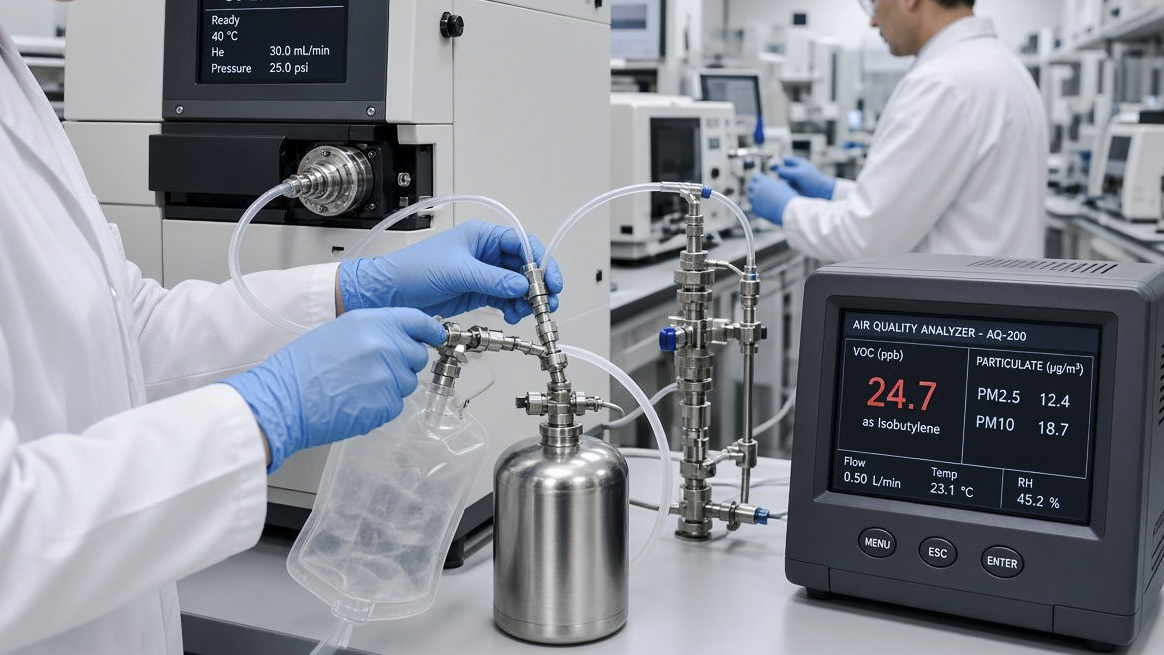
 The Air We Breathe – Indoor Air Quality Is Becoming a Real Estate IssueSaturday, September 5th, 2026
 -
 The Land Isn’t Moving, But Its Coordinates Are – What the 2026 GPS Modernization Means for Real EstateSaturday, August 29th, 2026
 -
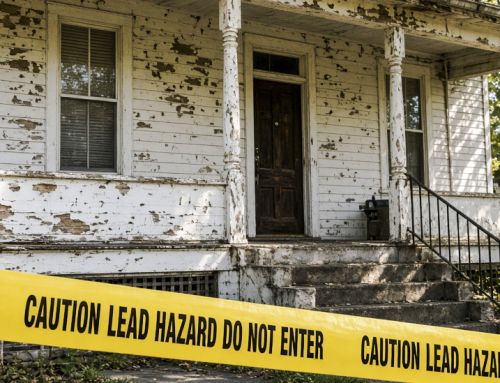
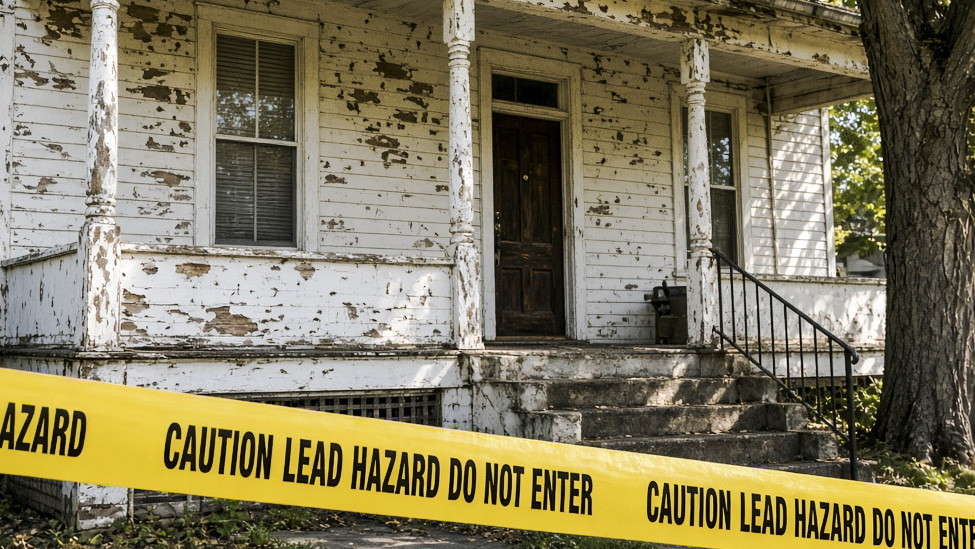
 The Lead Paint Legacy Real Estate Owners Must Take SeriouslySaturday, August 22nd, 2026
 -

View by Month/Year
“Green Building Law Update” Headlines
Recent Articles & News from
Stuart Kaplow’s blog
at GreenBuildingLawUpdate.com
Subscribe to the Green Building Law Update!
Stuart Kaplow brings his expertise and extensive experience to the table with his unique digital publication, "Green Building Law Update". Subscribers receive regular updates to keep them informed about important issues surrounding Environmental Law, Green Building & Real Estate Law, as well as the emerging demand for Environmental Social Governance (ESG).
Get fresh content through the lense of Stuart Kaplow's cutting-edge expertise, innovative commentary and insider perspective. Don't miss another issue! Subscribe below.
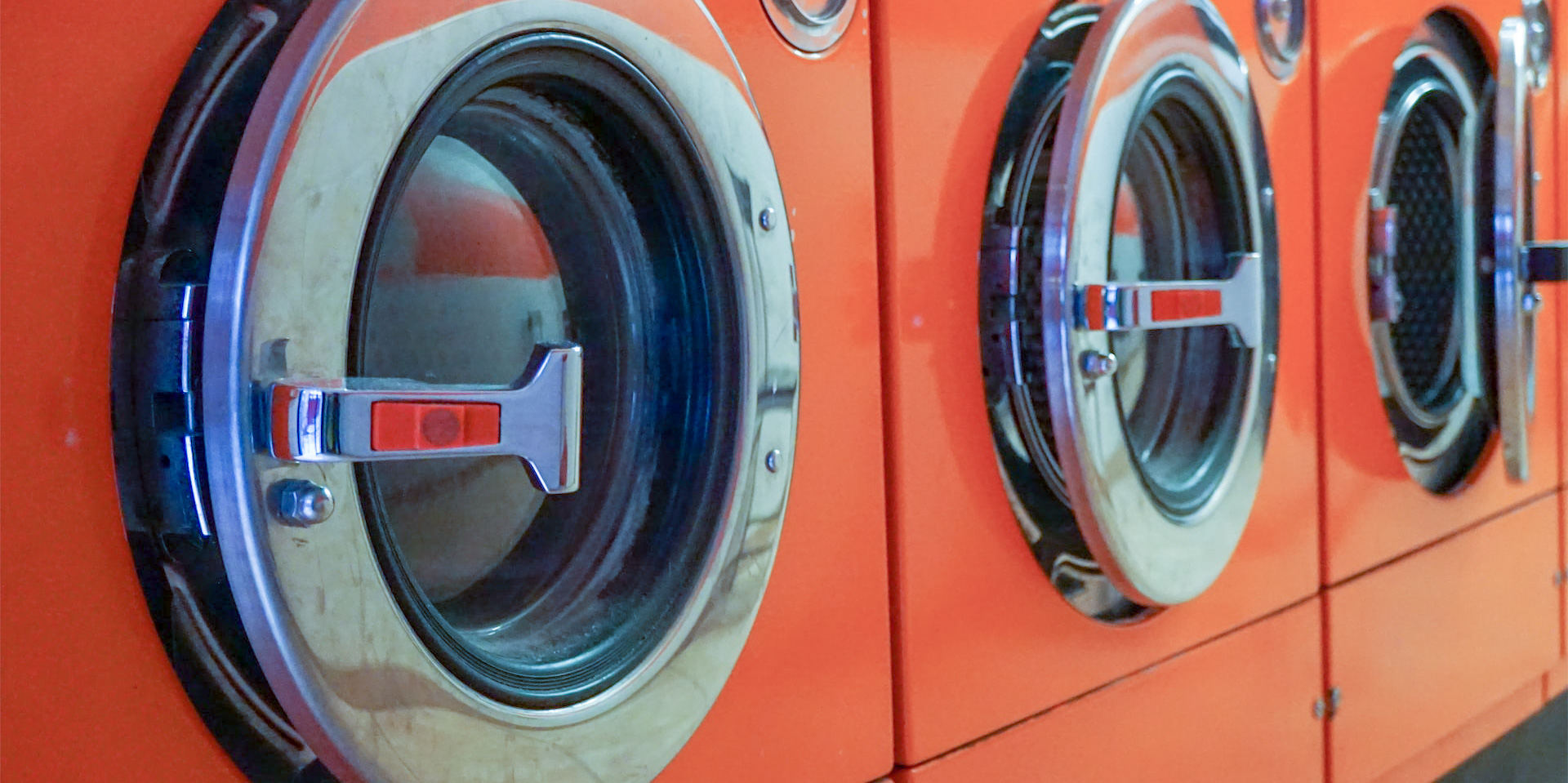
Rollback of Federal Appliance Efficiency Standards Happening – What Businesses Need to Know
The U.S. Department of Energy has proposed one of the most significant changes to federal appliance regulation in decades. While much of the public debate has focused on dishwashers and gas stoves, the proposal has implications far beyond the kitchen. Manufacturers, builders, retailers, property owners, and businesses that purchase or specify equipment should all be paying attention.
On July 2, 2026, DOE issued a Notice of Proposed Rulemaking to overhaul the procedures governing federal appliance energy conservation standards. According to Energy Secretary Chris Wright, the objective is straightforward: restore consumer choice while ensuring that any future federal mandates produce meaningful energy savings.
As Secretary Wright explained:
“In America, you should be able to choose between a drying machine that takes multiple cycles to dry your clothes and one that does it on the first try, unfortunately, past administrations thought otherwise.”
For businesses that manufacture, sell, install, or use appliances and HVAC equipment, this proposal could mark a turning point in federal energy regulation.
A Higher Bar for New Federal Mandates
For decades, the Energy Policy and Conservation Act has required DOE to periodically evaluate and update appliance efficiency standards. During the Biden Administration, DOE finalized or strengthened standards affecting more than twenty product categories, including dishwashers, refrigerators, gas furnaces, HVAC equipment, water heaters, and commercial refrigeration.
The new proposal does not repeal existing standards. Instead, it changes the process for adopting future ones.
Among its most significant provisions, DOE would:
- require that proposed standards produce either at least a 10% reduction in energy use over 30 years or save at least two quadrillion BTUs during that period before rulemaking proceeds;
- add an “early assessment” stage designed to screen out proposals lacking significant benefits;
- restore analytical requirements emphasizing technological feasibility and economic justification; and
- make portions of DOE’s Process Rule binding on the agency itself, reducing regulatory discretion.
In practical terms, future administrations would face substantially higher hurdles before imposing additional appliance efficiency mandates.
What This Means for Businesses
For manufacturers, the proposal offers greater regulatory certainty.
Rather than facing recurring redesigns every few years, manufacturers could expect fewer federal mandates unless DOE demonstrates substantial nationwide energy savings. That translates into longer product development cycles, lower compliance costs, and more flexibility to offer multiple product configurations.
Retailers and distributors similarly benefit from a broader range of products that can meet differing consumer preferences instead of a single federally preferred design.
Commercial property owners may also welcome greater flexibility. Hotels, apartment communities, office buildings, and senior housing operators often weigh purchase price, reliability, maintenance costs, tenant satisfaction, and lifecycle costs differently than federal regulators. More available product choices allow owners to optimize those business decisions.
What About Specific Appliances?
The proposal affects the regulatory process rather than immediately changing every appliance standard. Nevertheless, the policy direction is clear.
For example:
- Dishwashers could continue to include faster cycle models rather than only maximizing energy efficiency, and may use up to 8 gallons of water per cycle instead of being capped at 5 gallons.
- Gas stove efficiency proposals that many viewed as the first step toward restricting gas appliances are expected to remain on hold.
- Manufacturers may continue offering traditional electric water heaters alongside higher efficiency technologies in lieu of mandatory heat pump technology and more.
- Future tightening of refrigerator, freezer, HVAC, clothes washer, and dryer standards would become considerably more difficult unless DOE demonstrates substantial nationwide benefits.
The emphasis shifts from federal optimization of energy consumption toward preserving market choice. Of course, the phrase “Green New Scam” is political rhetoric, not an actual regulatory program, but old federal appliance efficiency standards are gone and will be difficult to ever replicate.
State Requirements Remain
Businesses should not assume federal deregulation eliminates all state requirements despite federal preemption.
Maryland provides a crazy example. Beginning January 1, 2025, installers and distributors supplying covered products (e.g., commercial dishwashers, showerheads, etc.) in Maryland must ensure that products comply with the Maryland Energy Administration’s appliance efficiency standards.
A national hotel developer commented, “hotel rooms in Maryland cost more to construct and operate, hence higher room rates, and the quality of the customer experience will be significantly less than in the rest of the country.”
We blogged in 2024 bout Maryland’s War on Fossil Fuel Appliances: Criminalizing Plumbers?
The Bigger Policy Debate
Supporters argue that efficiency gains should not come at the expense of consumer choice, product performance, or affordability. They note that many consumers have grown frustrated with appliances that prioritize laboratory efficiency metrics over practical performance.
The contrast becomes particularly evident when discussing air conditioning. During Europe’s recent deadly heat wave, Paris Deputy Mayor Audrey Pulvar criticized Americans for pointing out Europe’s comparatively limited air-conditioning use while attributing the crisis to climate change. Yet according to the U.S. Energy Information Administration, approximately 88% of U.S. households have air conditioning compared with roughly 20% in France, a reminder that policy choices affecting energy consumption also influence resilience, public health, and quality of life.
Comment
DOE will hold a public meeting via webinar on Wednesday, July 15, 2026, from 1 to 4 p.m. ET. See the Federal Register notice.
Looking Ahead
DOE’s proposal represents much more than another appliance rulemaking. It signals a broader philosophical shift away from federal regulation toward consumer choice and demonstrable economic benefit.
Businesses should closely monitor the rulemaking because its effects will extend well beyond dishwashers and gas stoves. Manufacturers, developers, commercial building owners, retailers, and investors all have an interest in a regulatory process that demands clear evidence before imposing costly new federal mandates.
Whether one agrees with the policy or not, the proposed process rule will fundamentally reshape how appliance efficiency standards are developed for years to come, and that makes this one of the most consequential environmental policy proposals of 2026.
About the Author: Stuart Kaplow