
View by Topic
Recent Articles
-
 The Air We Breathe – Indoor Air Quality Is Becoming a Real Estate IssueSaturday, September 5th, 2026
 -
 The Land Isn’t Moving, But Its Coordinates Are – What the 2026 GPS Modernization Means for Real EstateSaturday, August 29th, 2026
 -
 The Lead Paint Legacy Real Estate Owners Must Take SeriouslySaturday, August 22nd, 2026
 -

-
 Puerto Rico’s Water Crisis – The Era of Potable Water Bankruptcy Has ArrivedSaturday, August 8th, 2026
View by Month/Year
“Green Building Law Update” Headlines
Recent Articles & News from
Stuart Kaplow’s blog
at GreenBuildingLawUpdate.com
Subscribe to the Green Building Law Update!
Stuart Kaplow brings his expertise and extensive experience to the table with his unique digital publication, "Green Building Law Update". Subscribers receive regular updates to keep them informed about important issues surrounding Environmental Law, Green Building & Real Estate Law, as well as the emerging demand for Environmental Social Governance (ESG).
Get fresh content through the lense of Stuart Kaplow's cutting-edge expertise, innovative commentary and insider perspective. Don't miss another issue! Subscribe below.
The Supreme Court’s Monsanto Decision – Why Businesses Far Beyond the Herbicide Industry Should Pay Attention
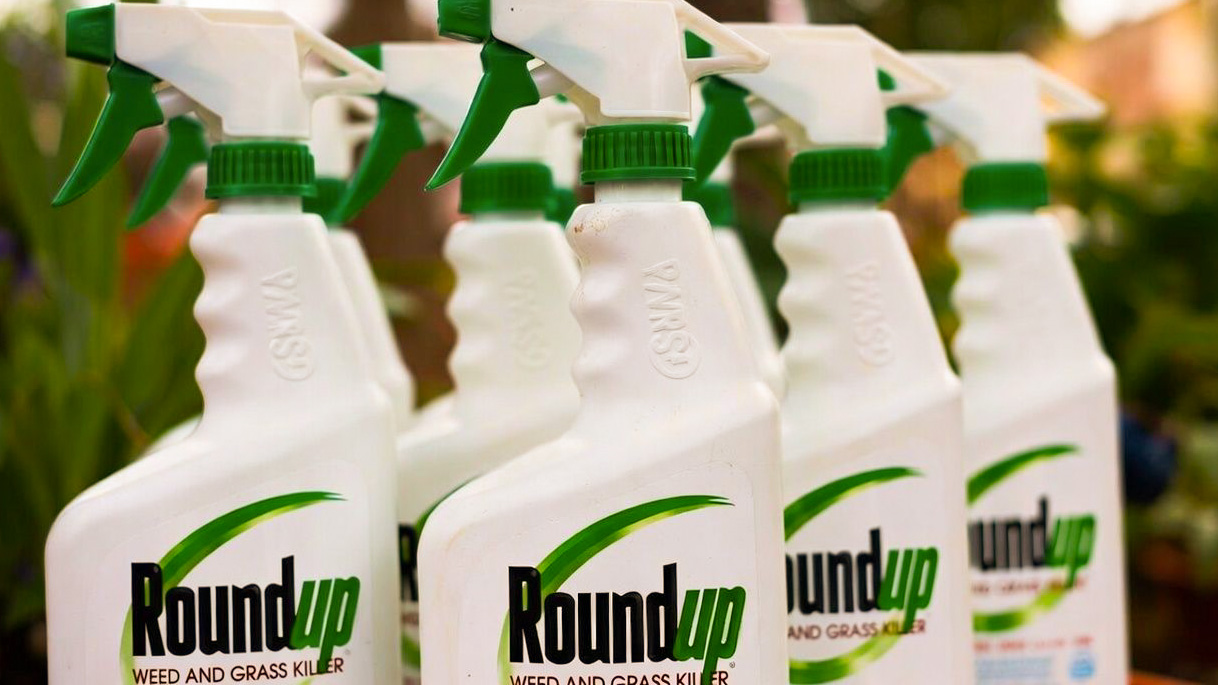
The U.S. Supreme Court’s June 25, 2026, decision in Monsanto Co. v. Durnell is being reported in the mass media as another chapter in the long running Roundup mass tort litigation. That characterization misses the larger story about the Court amassing power for itself and the Executive branch.
For real estate owners, manufacturers, and businesses operating in federally regulated industries, this may become one of the most important federal preemption decisions in years.
At its core, the Court reaffirmed a Constitutional principle that many businesses have articulated for decades: when Congress creates a comprehensive federal regulatory scheme and a federal agency has made a regulatory determination, states generally cannot impose different or additional requirements.
The Supremacy Clause extends well beyond herbicides (from BEPS to medical devices, and more ..).
The Decision
The case arose after a Missouri jury awarded $1.25 million in damages to a plaintiff who alleged that Monsanto failed to warn that its glyphosate based Roundup herbicide causes cancer.
The issue before the Supreme Court was not whether glyphosate is carcinogenic. Rather, the question was whether a state law failure to warn claim could effectively require Monsanto to place a warning on an EPA approved pesticide label that the U.S. Environmental Protection Agency had repeatedly concluded was unnecessary.
In a 7-2 opinion authored by Justice Brett Kavanaugh, the Court held that it could not. The Court concluded that the Federal Insecticide, Fungicide, and Rodenticide Act expressly preempts state law failure to warn claims that would require labeling “in addition to or different from” EPA approved labeling requirements. EPA’s approval of a pesticide label constitutes a federal requirement under FIFRA, and state tort law cannot impose a conflicting obligation.
The ruling reversed the Missouri judgment and resolves a longstanding split among courts handling thousands of Roundup lawsuits and Billions of dollars.
Why This Matters Beyond Pesticides
The significance of Monsanto is not limited to agricultural chemicals.
The decision describes a sweeping and broad constitutional doctrine of federal preemption under the Supremacy Clause. When Congress establishes a national regulatory framework and delegates authority to a federal agency, state common law claims cannot be used to require conduct inconsistent with federal requirements.
That reinforced principle will influence litigation involving products regulated by numerous federal agencies, including:
- DOE “concerning the energy efficiency, energy use, or water use” of covered appliances.
- EPA regulated chemicals and environmental products
- Medical devices regulated by the FDA
- Pharmaceuticals
- Motor vehicles, including self driving vehicles, regulated by the NHTSA
- Consumer products regulated by the CPSC
- Industrial products subject to comprehensive federal labeling or safety requirements
Businesses have long argued that allowing fifty six different state and territory juries to impose fifty different warning requirements undermines Congress’s goal of national regulatory uniformity. The Supreme Court has now provided one of its strongest recent endorsements of that argument.
A Potential Shift in Product Liability Litigation
Although the Court emphasized the specific language of FIFRA, expect defense counsel across multiple industries to cite Monsanto aggressively.
Plaintiffs, meanwhile, will attempt to distinguish Monsanto by arguing that other federal statutes differ from FIFRA or that agency actions lack the same legal effect.
Only future litigation will determine how broadly courts apply this reasoning, but Monsanto undoubtedly strengthens preemption arguments.
BEPS and Greenhouse Gas Regulation Implications
The Court reaffirmed that where Congress includes an “express preemption” provision, courts should give that language its full effect, preventing states from imposing requirements that differ from or add to federal standards.
That approach could prove significant in litigation involving the federal Energy Policy and Conservation Act. EPCA expressly preempts state and local regulations concerning the energy use or energy efficiency of covered appliances. Opponents of state and local building decarbonization mandates have long argued that laws banning or effectively eliminating natural gas appliances are preempted because they indirectly regulate the energy use of federally regulated products.
Maryland’s Building Energy Performance Standards regulations may present a compelling test case. Although framed as greenhouse gas emissions limits for buildings rather than direct appliance regulations, critics contend that the practical effect is to require building owners to replace natural gas fired equipment with electric alternatives. If compliance with BEPS leaves owners with no realistic option but electrification, courts applying the Supreme Court’s expansive view of express preemption in Monsanto should be more receptive to the argument that EPCA, not state law, governs the regulation of those appliances.
While Monsanto does not decide the EPCA question, it reinforces a textual approach to preemption that will strengthen challenges to state and local building electrification mandates.
What Businesses Should Do
Make no mistake, this decision is also pro business. Businesses should evaluate whether existing or anticipated litigation involves products or activities governed by comprehensive federal regulatory programs. Federal preemption defenses now carry greater weight than they did only a few weeks ago.
In conclusion, this case did not interpret EPCA, but it is a great example of the High Court’s methodology for construing express preemption clauses providing additional support for litigants arguing that EPCA should broadly preempt state and local measures that de facto prohibit the continued use of federally regulated natural gas appliances.
The Supreme Court’s decision in Monsanto v. Durnell is likely to shape a broad breadth of laws for years to come. While the headlines focus on Roundup, the larger legacy of the case may be a renewed judicial commitment to the power of the Executive branch in national regulatory uniformity, a development that many businesses will welcome.
About the Author: Stuart Kaplow