
View by Topic
Recent Articles
-
 TMDL Trump Executive Order – Why the Chesapeake Bay “Pollution Diet” Remains IntactSaturday, October 3rd, 2026
 -
 Maryland’s Packaging EPR Program Moves From Law to RealitySaturday, September 26th, 2026
 -
 Exposomics – The New Environmental Risk You Have Not Heard AboutSaturday, September 19th, 2026
 -
 Clean Water Isn’t a Constitutional Right? Fifth Circuit Says NoSaturday, September 12th, 2026
 -
 The Air We Breathe – Indoor Air Quality Is Becoming a Real Estate IssueSaturday, September 5th, 2026
View by Month/Year
“Green Building Law Update” Headlines
Recent Articles & News from
Stuart Kaplow’s blog
at GreenBuildingLawUpdate.com
Subscribe to the Green Building Law Update!
Stuart Kaplow brings his expertise and extensive experience to the table with his unique digital publication, "Green Building Law Update". Subscribers receive regular updates to keep them informed about important issues surrounding Environmental Law, Green Building & Real Estate Law, as well as the emerging demand for Environmental Social Governance (ESG).
Get fresh content through the lense of Stuart Kaplow's cutting-edge expertise, innovative commentary and insider perspective. Don't miss another issue! Subscribe below.
Recent Environmental Law Articles
Less than 20% of Green Building Contracts Properly Drafted
By Stuart Kaplow|2022-01-22T15:23:21-05:00Saturday, October 1st, 2016|Categories: Environmental Law|
In a recent review of contracts involving green building construction projects, less than 20% had properly drafted provisions addressing green building matters. 100 contracts involving green building construction projects were reviewed ..
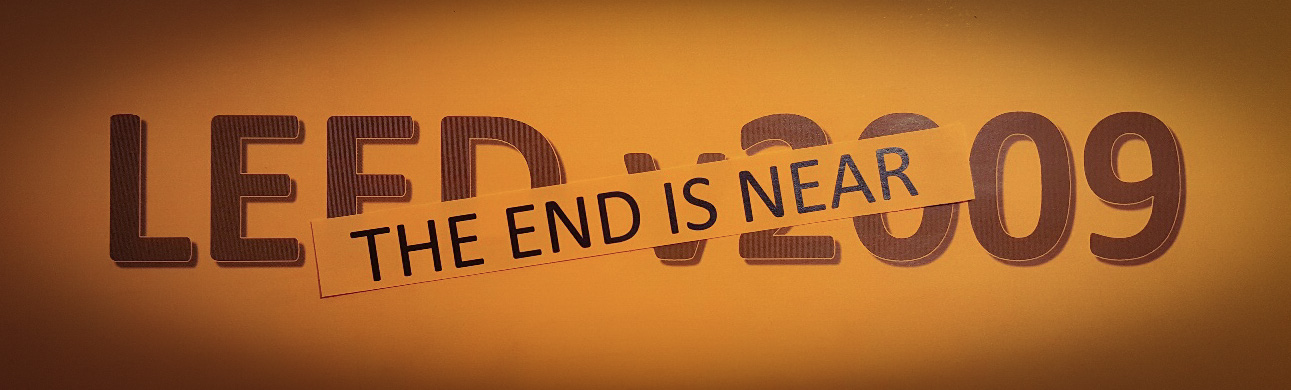
You Must Register your LEED v2009 project by Halloween
By Stuart Kaplow|2022-01-22T15:23:20-05:00Saturday, September 24th, 2016|Categories: Environmental Law|
Halloween activities often include carving pumpkins into jack o lanterns and trick or treating in costume, and this year on All Hallows’ Eve you should be registering your LEED project. The end is near. October 31, 2016 is the last day to register a LEED ...
Cannabis Cultivation has Growing Environmental Implications
By Stuart Kaplow|2022-01-22T15:23:19-05:00Sunday, September 18th, 2016|Categories: Environmental Law|
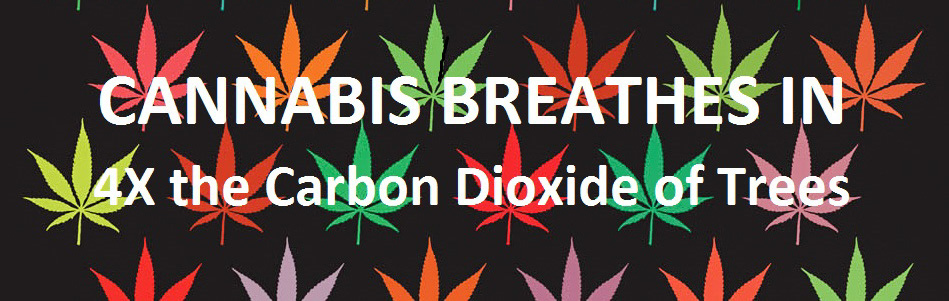
Cannabis cultivation is not new, but beginning in the 1990s when states began to legalize medical marijuana and recently as state laws evolved, decriminalizing and legalizing recreational use of cannabis, the burgeoning industry has brought with it environmental implications, including of water and energy use. ...
PACE Bill Due in Baltimore City
By Stuart Kaplow|2022-01-22T15:23:18-05:00Saturday, September 10th, 2016|Categories: Environmental Law|
A public hearing is scheduled tomorrow on a Property Assessed Clean Energy (PACE) loan program ordinance in Baltimore City. I have been quoted saying that PACE “could be bigger than anything in U.S. real estate since the invention of the glass window.” PACE loan programs, ...
New Federal Floodplain Regulations Rewrite 100 Year Floodplain
By Stuart Kaplow|2022-01-22T15:23:17-05:00Sunday, September 4th, 2016|Categories: Environmental Law|
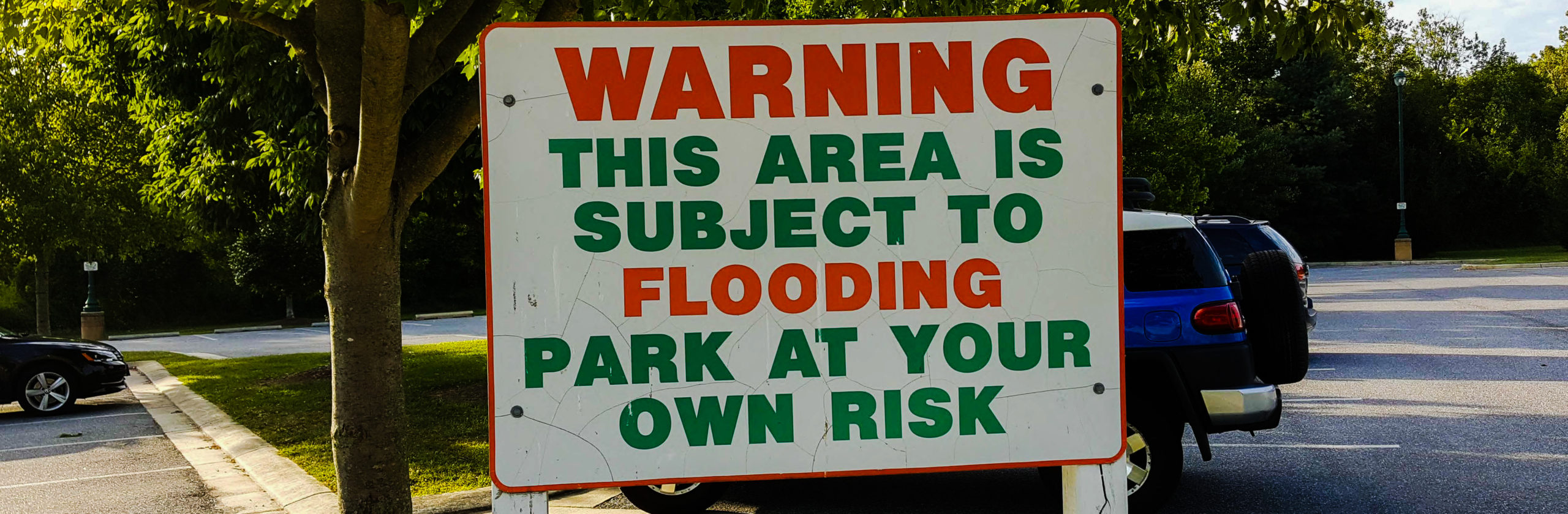
The Federal Emergency Management Agency (FEMA) is proposing to rewrite the longstanding 100 year floodplain standard for federally funded projects such that most building would now have to be 2 feet freeboard. In the name of resilience, reliability and green this proposed regulation will result ...

Vancouver Leaving LEED for Zero Emission Building Mandate, But ..
By Stuart Kaplow|2022-01-22T15:23:16-05:00Sunday, August 28th, 2016|Categories: Environmental Law|
Today already using over 97% renewable energy, would a more holistic approach to green building, like Vancouver’s just repealed LEED Gold standard, not have more efficacy for the residents of Vancouver and the rest of the planet?
Is California Going to Ban Cows in the Name of Climate Change?
By Stuart Kaplow|2022-01-22T15:23:15-05:00Sunday, August 21st, 2016|Categories: Environmental Law|
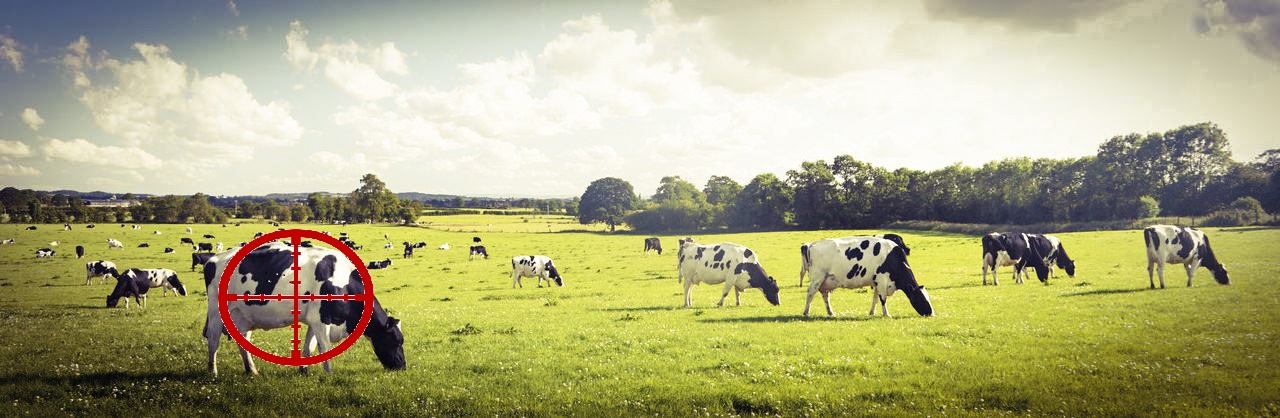
The California Environmental Protection Agency Air Resources Board has issued a “Proposed Short-Lived Climate Pollutant Reduction Strategy” that includes the penultimate statement, California’s dairy and livestock industries account for roughly half of the State's total methane emissions and about five percent of the State’s overall ...



Attend Greenbuild – The Best Way To Grow Your Green Building Business
By Stuart Kaplow|2022-01-22T15:23:14-05:00Sunday, August 14th, 2016|Categories: Environmental Law|
I am often asked, “how can I expand my green building business?” My answer is simple and the same response I have offered for years, attend the Greenbuild International Conference and Expo. This year Greenbuild is in Los Angeles from October 5 - 7. I ...