
View by Topic
Recent Articles
-
 Australia’s High Court Puts Scope 3 GHG Emissions Back on the U.S. Business Risk MapSaturday, October 17th, 2026
 -
 D.C. Circuit Upholds PFAS Hazardous Designation – Critical Implications for Real EstateSaturday, October 10th, 2026
 -
 TMDL Trump Executive Order – Why the Chesapeake Bay “Pollution Diet” Remains IntactSaturday, October 3rd, 2026
 -
 Maryland’s Packaging EPR Program Moves From Law to RealitySaturday, September 26th, 2026
 -
 Exposomics – The New Environmental Risk You Have Not Heard AboutSaturday, September 19th, 2026
View by Month/Year
“Green Building Law Update” Headlines
Recent Articles & News from
Stuart Kaplow’s blog
at GreenBuildingLawUpdate.com
- Maryland’s New Recycling Tax? Packaging EPR Moves From Law to Reality September 27, 2026
- Exposomics – The New Environmental Risk That Will Change Real Estate September 20, 2026
- No Constitutional Right to Clean Drinking Water? Fifth Circuit Says Not So Fast September 13, 2026
- The Air We Share – Why Indoor Air Is Becoming a Real Estate Risk September 6, 2026
Subscribe to the Green Building Law Update!
Stuart Kaplow brings his expertise and extensive experience to the table with his unique digital publication, "Green Building Law Update". Subscribers receive regular updates to keep them informed about important issues surrounding Environmental Law, Green Building & Real Estate Law, as well as the emerging demand for Environmental Social Governance (ESG).
Get fresh content through the lense of Stuart Kaplow's cutting-edge expertise, innovative commentary and insider perspective. Don't miss another issue! Subscribe below.
Greenwashing Lawsuits Surge in 2025: Navigating the Expanding Risk
The delicate space of business environmental marketing statements and public disclosures became markedly more treacherous in 2025. From food producers to fashion brands and consumer products to commercial real estate, businesses today face a rapidly expanding universe of greenwashing lawsuits. These claims, once niche and episodic, are now multifaceted, evolving, and spreading across industries with astonishing velocity.
Expanding the Greenwashing Litigation Landscape
At the same time, the cast of plaintiffs bringing these matters has widened, joined by increasingly sophisticated allegations. Shifting government enforcement priorities have only emboldened activists and private consumers to make claims and initiate litigation.
Greenwashing is no longer a theoretical compliance concern. It is a real and material area of risk for which there is little insurance, which American businesses, including sectors once assumed to be peripheral to environmental claims. The food production sector is one such example.
High Profile Settlements
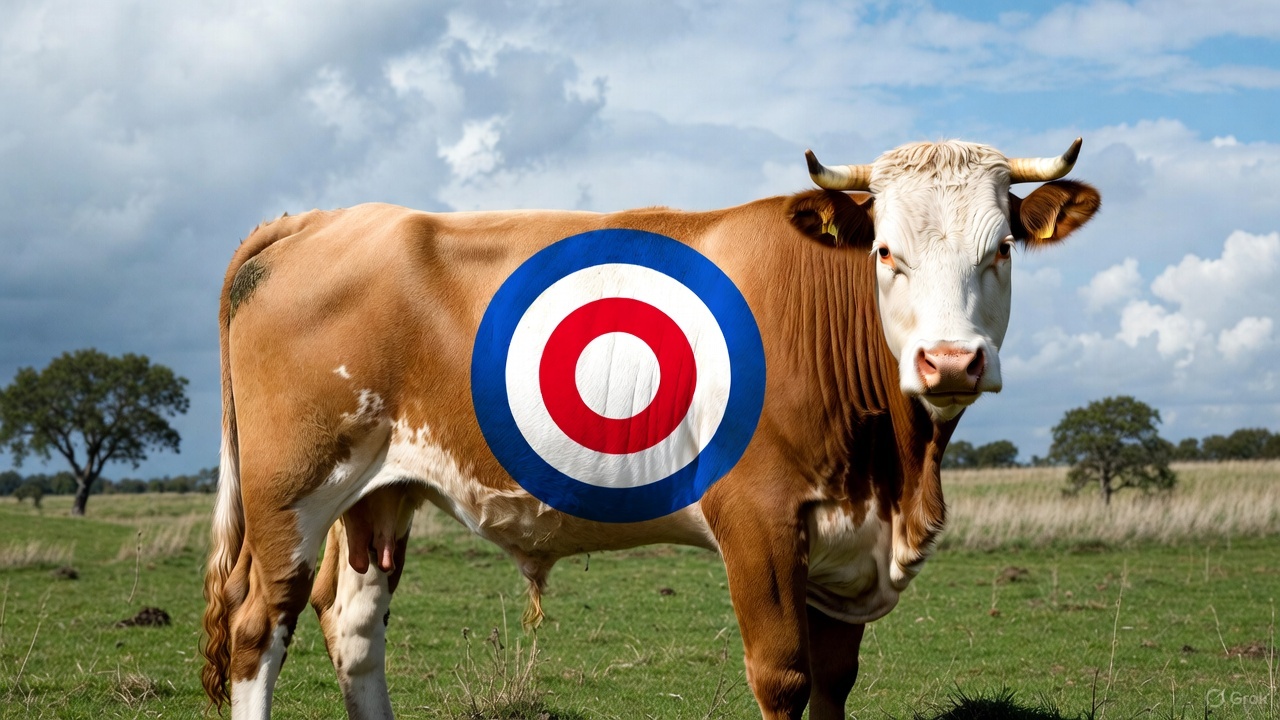
Two of the largest players in U.S. beef production, Tyson Foods and JBS USA, recently entered into high-profile settlements over alleged greenwashing. Together, these companies produce more than 50% of the beef consumed in the United States. Their settlements are a cautionary tale for every business making environmental assertions about products or operations. If they can come after the cows (.. cows belch methane, but evidently it is not an anthropogenic thing), your business could be next with a bullseye on its back.
Tyson Foods resolved litigation brought by the Environmental Working Group in a settlement agreement, agreeing to cease claiming that it aims to achieve “net zero” emissions by 2050. Tyson also decided to halt allegedly misleading marketing for its Brazen Beef line. Although the company cited a 10% reduction in greenhouse gas emissions during production relative to conventional beef, the 2024 lawsuit argued Tyson conveyed a misleading impression that its broader portfolio was “climate smart,” and most aggressively in what some have characterized as weaponizing environmental protection, that Tyson lacked a rigorous enough plan that could achieve its net zero goals, that was the reason the company was forced into a settlement. In a year when Tyson lost more than $460 million on its beef business and closed its Lexington, Nebraska, plant, one of its four major beef processing plants, in part in response to “legal settlements.”
JBS USA faced similar claims. The New York Attorney General filed complaint incredibly avers, “Even if it had developed a plan to be ‘Net Zero by 2040,’ the JBS Group could not feasibly meet its pledge because there are no proven agricultural practices to reduce its greenhouse gas emissions to net zero at the JBS Group’s current scale, and offsetting those emissions would be a costly undertaking of an unprecedented degree.” Many criticized this case as not based in science but a political attack, as we blogged in New York is Coming for Your Cheeseburger with Greenwashing Case. This case concluded with JBS entering into an Assurance of Discontinuance and agreeing to pay $1.1 million to settle allegations that it misled the public about its climate commitments.
Navigating Compliance and Mitigating Risk
While lacking full statistical rigor, we have seen a surge at our law firm in inquiries seeking counsel in defending greenwashing allegations. We have posted more than a dozen blogs on the subject, including recently, Reverse Greenwashing: The Battle Over ExxonMobil’s Recycling, and Greenwashing? Court Says Coca-Cola’s Aspirational Statements May Mislead Consumers.
Just last week, the US Supreme Court let stand a Ninth Circuit Court of Appeals ruling that Amazon is not liable for third party greenwashing claims, upholding its protection under Section 230 of the Communications Decency Act. The case was brought by Planet Green Cartridges, a printer cartridge recycler, which alleged that Amazon profited from other sellers falsely advertising their products as recycled.
So where should a business begin?
While nearly a dinosaur in regulatory terms, the best foundation remains the Federal Trade Commission’s “Green Guides,” found at 16 C.F.R. § 260. These Guides represent the FTC’s current views on environmental claims, even if “current” is a bit generous, with the last update in 1998. Still, they offer practical examples of what the FTC considers impermissible or misleading environmental marketing. The existing Guides remain the most authoritative baseline for evaluating environmental claims.
Key Takeaways for Business
The lesson from 2025 is unmistakable: environmental statements must be precise, substantiated, and contextualized. Truth is not an absolute defense. Aspirational statements about future climate goals are no longer immune from challenge. Claims about renewable energy, carbon, climate, sustainability, recyclability, or renewable content must be anchored in verifiable, defensible evidence.
As greenwashing litigation continues to evolve and expand, companies must remain vigilant. By consulting knowledgeable counsel at the outset, before a product launch, a website refresh, or an annual report, companies can safeguard their reputation, avoid costly disputes, and help foster a marketplace where environmental claims are to be believed. If environmental zealots can come for the cows, they are similarly capable of targeting your business.
About the Author: Stuart Kaplow
