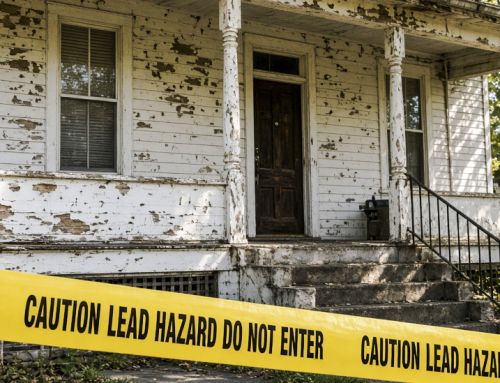
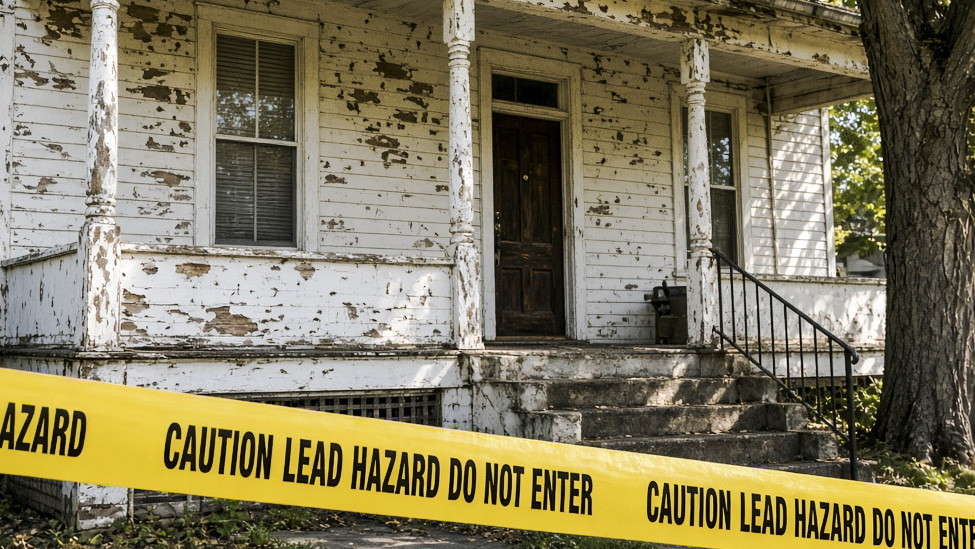
A new era in environmental law and urban revitalization is upon us – the movement to redevelop Brownfields, the name for abandoned or under used commercial and industrial sites where redevelopment is hampered by contamination, real or perceived.
A series of recent efforts have greatly enhanced Maryland’s Voluntary Cleanup Program within the Maryland Department of Environment and the Brownfields Revitalization Incentive Program within the Department of Business and Economic Development, both as enacted in February of this year.
Taxpayer Relief Act of 1997
On August 5, 1997, the President signed the Taxpayer Relief Act of 1997, the first significant federal tax reduction in more than a decade.
Among other provisions, the Act provides that taxpayers may elect to treat certain environmental remediation expenditures (that would otherwise be a capital expense required to be depreciated over time) as deductible in the year incurred.
The expenditure must be incurred on a “qualified contaminated site,” as defined by the Act, which generally includes any property that “contains (or potentially contains) a hazardous substance (so called ‘brownfields’).” There are other geographic limitations, however, most of Baltimore County and City will likely be eligible for this meaningful tax incentive.
Brownfields Property Tax Credits
The Maryland Brownfields Revitalization Incentive Program requires that local governments enact a property tax credit for Brownfields sites in order for local sites to be eligible for State financial incentives, including loans, grants, and property tax credits for property contaminated by hazardous waste or oil.
Local governments are currently considering the required tax credits. The Baltimore County Council enacted Bill 107-97, on September 15th, authorizing multi-year property tax credits of up to 80% of any increased assessment.
EPA Grant to Baltimore County
Baltimore County has received a $200,000 grant from the U.S. EPA to identify Brownfields properties with significant economic development potential, work with prospective purchasers of those properties to conduct necessary environmental assessments, and guide the properties through the State Voluntary Cleanup Program.
The grant funds are expected to be focused on underutilized properties within the North Point Enterprise Zone.
First Brownfields Graduate
At the end of August, a vacant Baltimore City factory became the first site to unsuccessfully complete the State Voluntary Cleanup Program.
The former Parker Metal Decorating Co. received a “no further requirements” determination stating that there are no further requirements related to the investigation or clean up of hazardous waste at the property. The developer plans to transform the building at Howard and Ostend Streets into offices.
There are several other applications pending at the Maryland Department of the Environment, and the recent developments will make Brownfields sites more inviting.