View by Topic
Recent Articles
-
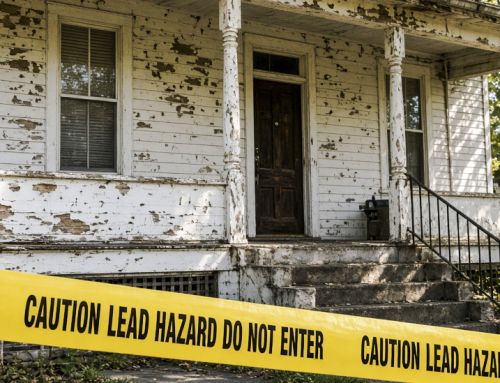
 The Lead Paint Legacy Real Estate Owners Must Take SeriouslySaturday, August 22nd, 2026
 -

-
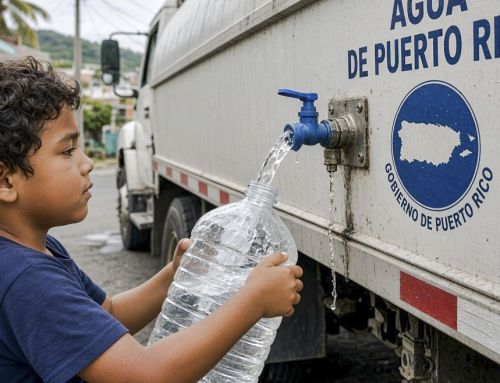
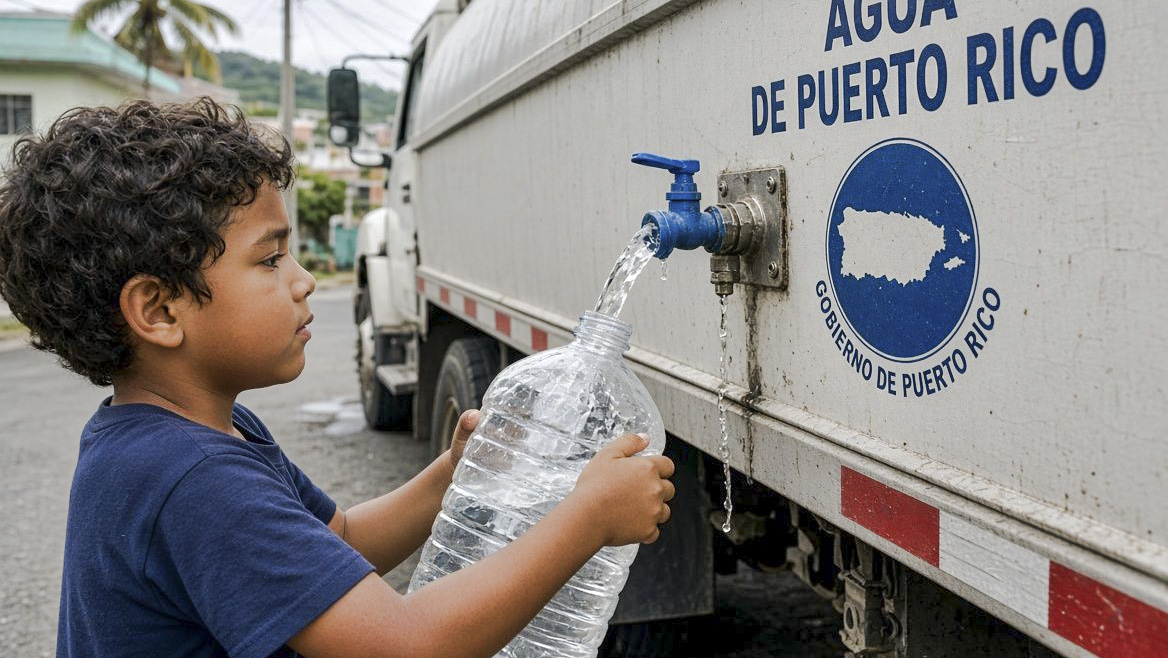
 Puerto Rico’s Water Crisis – The Era of Potable Water Bankruptcy Has ArrivedSaturday, August 8th, 2026
 -
 Commercial Space Launch Reform – FAA Proposal Will Cut Years from Licensing ApprovalsSaturday, August 1st, 2026
 -
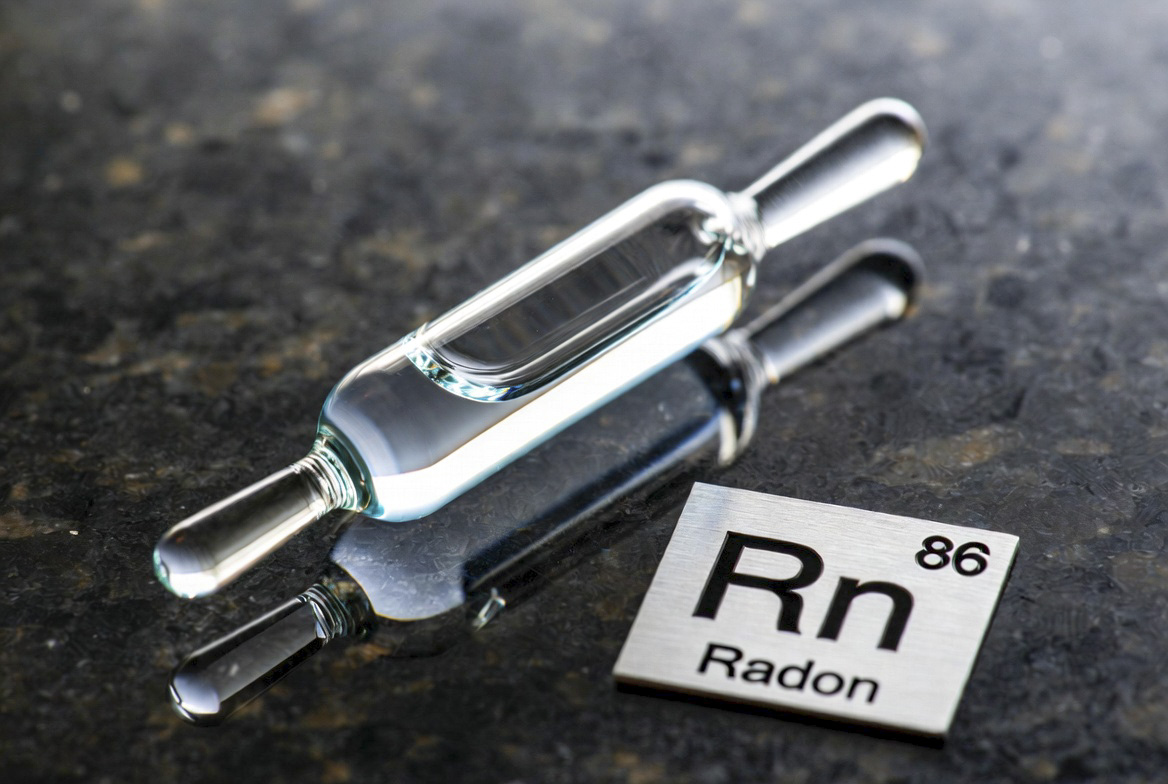
 Radon – Test and Decide for YourselfSaturday, July 25th, 2026
View by Month/Year
“Green Building Law Update” Headlines
Recent Articles & News from
Stuart Kaplow’s blog
at GreenBuildingLawUpdate.com
Subscribe to the Green Building Law Update!
Stuart Kaplow brings his expertise and extensive experience to the table with his unique digital publication, "Green Building Law Update". Subscribers receive regular updates to keep them informed about important issues surrounding Environmental Law, Green Building & Real Estate Law, as well as the emerging demand for Environmental Social Governance (ESG).
Get fresh content through the lense of Stuart Kaplow's cutting-edge expertise, innovative commentary and insider perspective. Don't miss another issue! Subscribe below.
Checklist For Ordering A Phase II Environmental Site Assessment
This checklist identifies key issues to be considered when contracting for a Phase II Environmental Site Assessment of a commercial property.
When ordering a Phase II assessment, it is important to be aware of the context in which the environmental investigation is to take place. Because of the threat of liability under the Superfund laws, most nonresidential real estate transactions incorporate a process of environmental due diligence aimed at avoiding the acquisition of contaminated property. The Superfund laws, the Comprehensive Environmental Response, Compensation, and Liability Act of 1980 (CERCLA), as amended by the Superfund Amendments and reauthorization Act of 1986 (SARA), impose strict liability for the clean up of hazardous substances on land owners, irrespective of fault
CERCLA provides that a purchaser of real property qualifies for the “innocent purchaser” defense from clean up liability if the purchaser acquires a contaminated site after the disposal or placement of hazardous substances at the site, and the purchaser neither knew nor had reason to know that any hazardous substance, which is the subject of the release, was disposed of at the site. To establish that a purchaser had no reason to know of the disposal or release of any hazardous substance, CERCLA requires a showing that at the time of acquisition, the purchaser undertook “all appropriate inquiry into the previous ownership and uses of a property” consistent with good commercial or customary practices.
A Phase II assessment is intended to satisfy that “all appropriate inquiry into the previous ownership and uses of a property” to determine whether hazardous substances or petroleum products have been disposed of or released there in order to satisfy one element of the innocent purchaser defense to CERCLA liability. A Phase II assessment also assists a user in gathering reliable information about a property’s environmental conditions to guide the user’s business decisions. Important, however, is that a Phase II assessment does not by its definition include the level of specificity required to fully characterize a site’s environmental conditions.
The primary objective of conducting a Phase II assessment is to evaluate the recognized environmental conditions identified in a Phase I environmental site assessment for the purpose of providing additional information regarding the nature and extent of possible contamination identified in the Phase I. To that end, when ordering a Phase II assessment, consider:
1. Today, many, if not most Phase II assessments are conducted in accordance with American Society for Testing and Materials (ASTM) standard 1903-97. That standard practice, as approved in 1997, provides the framework for employing “good commercial” and “customary practices” to satisfy appropriate inquiry where a Phase I assessment identified recognized environmental conditions. The contract with the environmental consultant should, given the facts and circumstances of a particular site, describe a scope of work consistent with ASTM-1903-97.
2. Cognizant that the report should be easily understandable by a lay person, at the completion of a Phase II assessment, the environmental consultant should be required to conclude that either (a) there is no reasonable basis to suspect the presence of hazardous substances or petroleum products at the property associated with the recognized environmental conditions under assessment, or (b) the assessment has confirmed the presence of hazardous substances or petroleum products at the property under conditions that indicate disposal or release.
3. The contract with the environmental consultant should be entered into with legal counsel as the contracting party for the purpose of providing counsel with information required for counsel to conduct an environmental analysis for the express purpose of rendering legal advice on the environmental conditions at the property, such that the information provided by the Phase II assessment will fall within the attorney-client privilege. Further, the writing should provide that in the event that observations arising from the consultant’s work impose a recording obligation, be it by statute, regulation, common law, professional standards, or otherwise, any such report shall only be made to counsel and not to a third party.
4. The contract should further make clear that the consultant and its subcontractors shall keep confidential all information received from counsel as well as the substance of any report, test, recommendation or advice the consultant gives to counsel.
5. In an effort to further control information, not only for purposes on confidentiality, but also so that information may be used again, data, results, and reports prepared for counsel should be counsel’s sole property.
6. Additionally, the writing with the consultant should provide counsel may suspend performance of the consultant’s work at any time. It is not uncommon for preliminary field data to make it certain that it is not in anyone’s interest to consider sampling or testing.
7. And the contract should require the consultant to maintain duplicate samples of all field samples and materials sent to laboratories in the event the analyses have to be rerun. Very often it will be the laboratory that maintains the duplicate sample and because of holding times, there are limitations to the effectiveness of this provision, however, a retest is often a fast and inexpensive method of verifying that a single errant test result is just that.
8. Importantly, investigation derived wastes (such as drill cuttings, bailed groundwater, etc.) is an issue that should be addressed in the contract and should, at the consultant’s expense, be properly exposed of by the consultant. Depending on the characterization of the wastes, it may be necessary that the property owner sign appropriate manifests.
9. As with all expert reports (that may be the subject of discovery in litigation), counsel should be provided with a draft copy of the report such that counsel may recommend edits to the draft or request that no report actually be prepared.
10. And finally, the contract with a consultant should make clear that the professional services rendered will be performed in strict accordance and compliance with all laws, including laws applicable to the handling of hazardous substances, wastes and materials.
A Phase II environmental site assessment is intended to satisfy the process that constitutes “all appropriate inquiry” once recognized environmental conditions are identified. This checklist is intended to be a practical reference for use when contracting with an environmental consultant for a Phase II assessment.
Following this article is a proposed general form of amendment to a contract with an environmental consultant that addresses the topics enumerated above.
_______________________________
STANDARD GENERAL CONDITIONS AND
AMENDMENT TO CONTRACT WITH ENVIRONMENTAL CONSULTANT
THIS STANDARD GENERAL CONDITIONS AND AMENDMENT TO CONTRACT WITH ENVIRONMENTAL CONSULTANT made this ____ day of ______, 2001 by and between ______________________________________ (the “Company”) and Stuart D. Kaplow, P.A. (“Counsel”) is intended to be executed contemporaneously with and made a part of the contract for environmental consultant by and between the Company and Counsel (the “Contract”), as attached hereto.
This Amendment alters, changes, modifies, and amends the Contract and any conflict or contradiction between the provisions of this Amendment and that Contract shall be resolved in favor of this Amendment (hereinafter, the Contract and Amendment are the “Amendment”).
1. The Company and Counsel expressly acknowledge that the professional services to be provided incident to this Amendment fall within the attorney-client privilege, that is they are being conducted for the purpose of providing Counsel with information required for Counsel to conduct an environmental analysis for the express purpose of rendering legal advice on the environmental conditions at the property. At all times the professional services will be conducted under the direction and control of Counsel. The existence of this Amendment and the work product of any professional services conducted hereunder shall remain privileged and confidential and shall be not be disclosed to any third party (expressly including, but not limited to, not disclosed to the property owner or to any governmental entity) without the express prior written consent of Counsel. In the event that observations arising from the professional services impose a reporting obligation, be it by statute, regulation, common law, professional standards, or otherwise, any such report shall only be made to Counsel and not to a third party.
2. The Company, its employees, subcontractors and consultants shall keep confidential all information received from Counsel as well as the substance of any report, test, recommendation, or advice the Company gives to Counsel in connection with the professional services provided under this Amendment. The Company should also treat as confidential all maps, findings, results, data, reports, and other written or oral information relating to the professional services. In the event the Company is required by subpoena or Court or administrative order to disclose any information deemed by this Amendment to be confidential, the Company shall immediately notify Counsel upon receipt of any such order.
3. All data, results, information, and reports prepared for Counsel is Counsel’s property.
4. Counsel may, upon verbal or written notice to the Company, suspend the performance of the Company’s work at any time and for any reason.
5. The Company shall maintain a duplicate sample of all samples and materials sent to laboratories or other third parties, in the event that analyses have to be re-run.
6. Investigation-derived waste (such as drill cuttings, bailed groundwater, etc.), will at the Company’s expense, be properly disposed of by the Company.
7. A report will be prepared based upon the services performed and will set forth, consistent with this Amendment, all pertinent data, findings, and opinions regarding the property. Counsel shall be provided with a draft copy of the report. The draft copy of the report shall be provided, in a timely fashion, to Counsel and Counsel may recommend edits to the draft. Any final report will only be prepared and delivered to Counsel, after delivery of a draft report, and upon the express oral or written request of Counsel that such final report be prepared.
8. Company warrants to Counsel and the owner of the property that the professional services shall be performed within the limits prescribed in this Amendment and that a manner consistent with the level of care, skill, practice, and judgment exercised by other professional consulting firms in performing services of a similar nature and under similar circumstances.
9. The Company further warrants to Counsel and the owner of the property that the professional services shall be performed in strict accordance and compliance with all federal, state, and local laws and regulations applicable to the professional services to be performed under this Amendment, including but not limited to all laws and regulations applicable to the handling of hazardous substances, wastes, or materials; human health and safety; and, environmental compliance.
10. The Company agrees to defend, indemnify, and hold harmless Counsel and the owner of the property that is the subject of this Amendment, from any and all liabilities, costs, demands, losses, damages, claims, actions, or penalties, including attorneys’ fees, caused by or arising from (a) the negligence, errors, or omissions, gross negligence, or willful misconduct of the Company or any of its employees, agents, or subcontractors in connection with this Amendment, or (b) the breach of any representation, warranty, provision, or covenant contained herein.
11. Neither party may assign this Amendment without the prior written consent of the other.
12. In all other respects the Contract shall remain unaltered and in full force and effect.
The parties have on the date aforesaid affixed their hands and seals below.
[Signed by the parties]
About the Author: Stuart Kaplow