View by Topic
Recent Articles
-
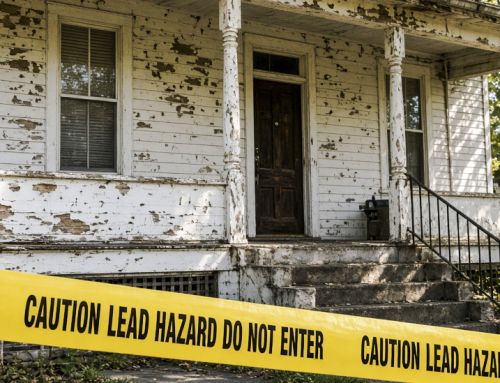
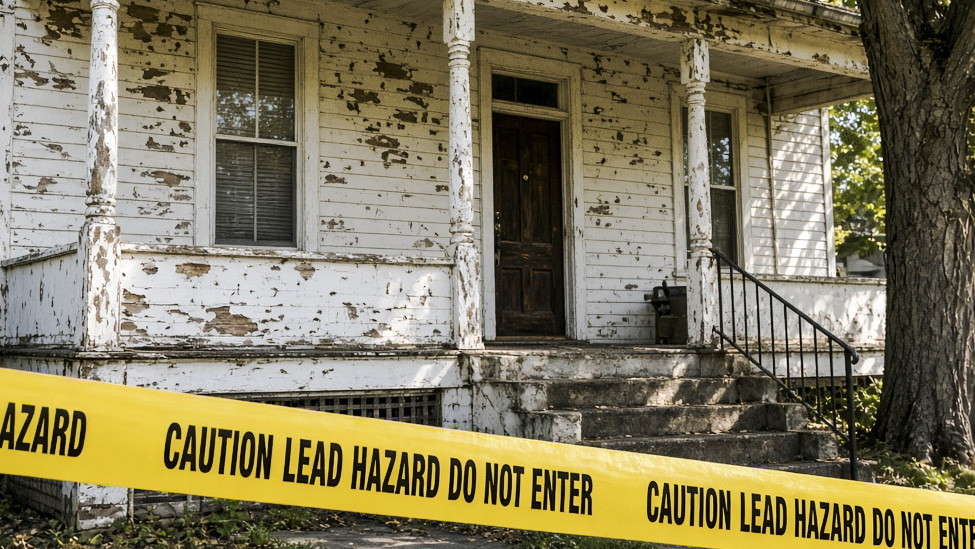
 The Lead Paint Legacy Real Estate Owners Must Take SeriouslySaturday, August 22nd, 2026
 -

-
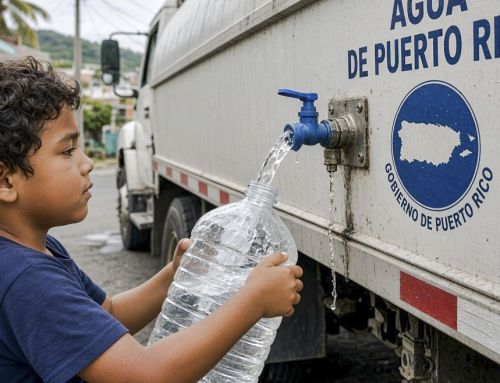
 Puerto Rico’s Water Crisis – The Era of Potable Water Bankruptcy Has ArrivedSaturday, August 8th, 2026
 -
 Commercial Space Launch Reform – FAA Proposal Will Cut Years from Licensing ApprovalsSaturday, August 1st, 2026
 -
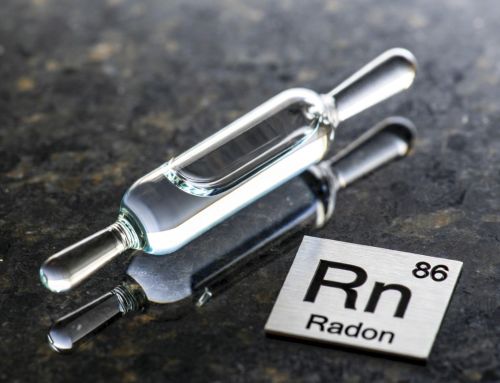
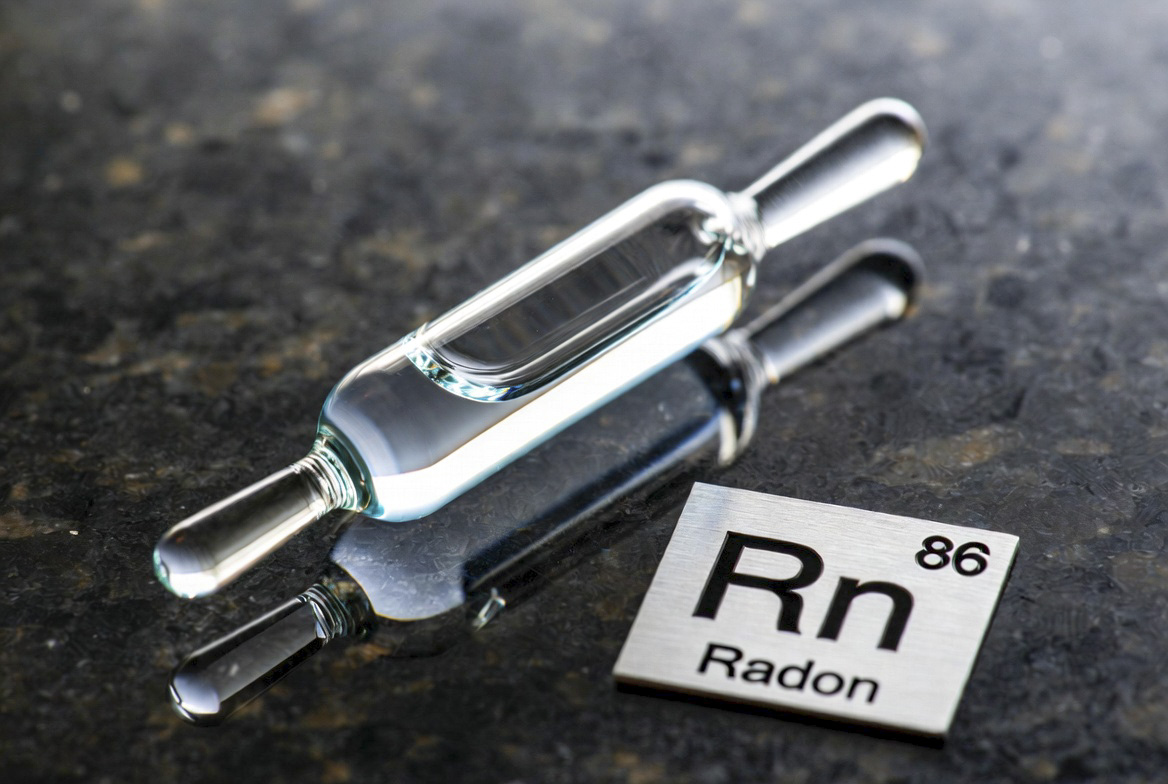
 Radon – Test and Decide for YourselfSaturday, July 25th, 2026
View by Month/Year
“Green Building Law Update” Headlines
Recent Articles & News from
Stuart Kaplow’s blog
at GreenBuildingLawUpdate.com
Subscribe to the Green Building Law Update!
Stuart Kaplow brings his expertise and extensive experience to the table with his unique digital publication, "Green Building Law Update". Subscribers receive regular updates to keep them informed about important issues surrounding Environmental Law, Green Building & Real Estate Law, as well as the emerging demand for Environmental Social Governance (ESG).
Get fresh content through the lense of Stuart Kaplow's cutting-edge expertise, innovative commentary and insider perspective. Don't miss another issue! Subscribe below.
Mold will be the Hottest Environmental Issue in Year 2004
“If when the priest examines the plague, the plague in the walls of the house is found to consist of greenish or reddish streaks that appear to go deep into the wall, the priest shall come out of the house and close up the house for seven days. On the seventh day the priest shall return. If he sees that the plague has spread on the walls of the house, the priest shall order the stones with the plague on them to be pulled out and cast outside the city in an impure place.” Leviticus 14:33
Mold was an issue in the days of the Old Testament. And scientists tell us that the existence of mold predates man. So, why in 2003 is mold, now, the hottest environmental issue?
Mold is a type of fungus that often grows on food. Like mushrooms, mildews, and all other fungi, molds have no chlorophyll – the green coloring matter that plants use to manufacture food. Molds live when moisture is present on food made by plants or animals, or on decaying matter.
Molds develop from spores. Those spores exist in nature and travel airborne into modern buildings. Molds are useful because they fertilize soil by breaking up dead organisms and waste material. On the other hand, moldy foods generally should be thrown away. But certain cheeses, such as Roquefort, owe their flavor to a mold that grows in them and ripens them. Penicillium molds produce the drug penicillin.
It is suggested that modern weather resistant construction required by building codes and industry standards, when coupled with heating and air conditioning systems that limit fresh air, all contribute to conditions, including retained moisture, that are conducive to the growth of mold.
A great deal of publicity surrounded the $7.2 million settlement in May of this year of television personality Ed McMahon’s claim that mold had damaged his Beverly Hills mansion (after a water pipe burst), made him and his wife sick and killed his dog. Within weeks of that settlement, the media widely reported that a 25-story hotel tower in Hawaii opened after having been shuttered for months to remove mold. In the months since the publicity around those and several other high profile incidents that may involve mold, literally thousands of mold related lawsuits have been commenced around the country.
Admittedly there has been litigation involving mold for many years. And the seminal mold case has its roots in Baltimore, in 1945, when a company that shipped cases of its canned beets from Baltimore to Seattle, sued the steamship company alleging negligence in transporting moldy cases, rusty cans, and soiled labels. The court in Thomas Roberts & Co. v. Calmar Steamship Corp. found that the company’s bill of lading excepted it from liability and denied the related insurance claim holding “the only damage to the cans came from mold caused by excessive moisture inherent in the … wood from which the boxes were made and there was no wetting from external sources.”
The current volume of mold cases ignores the absence of consensus in the scientific community on the health risks posed by mold. That said, a recent EPA brochure declared, “Molds have the potential to cause health problems. Molds produce allergens (substances that can cause allergic reactions), irritants, and in some cases, potentially toxic substances (mycotoxins).” Even though the death of McMahon’s dog is mentioned in the headlines, that claim was dismissed before the case settled. Irrespective of the lack of science supporting mold as a health hazard, armed with inflammatory language from the EPA, and the public’s heightened awareness, mold is now a very real issue in real estate.
Issues of property damage are real beyond aesthetic and odor concerns because mold can degrade building materials. But instances of mold compromising structural systems are extremely rare.
Owners of real estate need to know that molds can be found almost everywhere and there is no practical way to eliminate all mold or mold spores in the indoor environment. There are no EPA or other federal (or state) limits or guidelines for mold, so sampling is of limited, if any worth at all. Since mold consultants are unlicensed, almost anyone can claim to be an expert. And contrary to the common recommendation from many, if not most consultants, EPA has announced “the use of a chemical or biocide that kills organisms such as mold (chlorine bleach, for example) is not recommended as a routine practice during mold cleanup.”
Given that mold will be the hottest environmental issue in 2004, the most important thing that can be done today for protection from liability for mold is almost certainly not to “order the stones with the plague on them to be pulled out and cast outside the city in an impure place.” But rather contracts of sale, leases, construction contracts, and other writings involving real estate should be revised to include express disclaimers and other provisions to limit liability from mold.
For more information about mold litigation, see the recent article in the Legal Library on our website about how most mold cases are brought in Maryland, Mold Cases and more Brought in Rent Escrow Actions.
About the Author: Stuart Kaplow