View by Topic
Recent Articles
-
 The Lead Paint Legacy Real Estate Owners Must Take SeriouslySaturday, August 22nd, 2026
 -

-
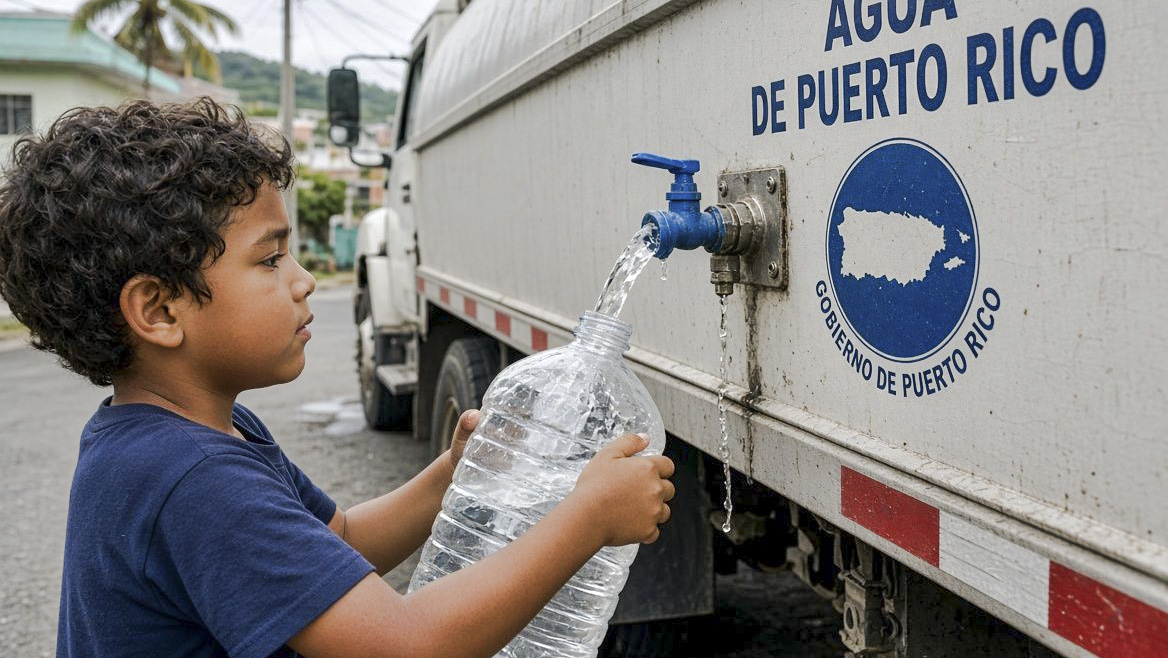
 Puerto Rico’s Water Crisis – The Era of Potable Water Bankruptcy Has ArrivedSaturday, August 8th, 2026
 -
 Commercial Space Launch Reform – FAA Proposal Will Cut Years from Licensing ApprovalsSaturday, August 1st, 2026
 -
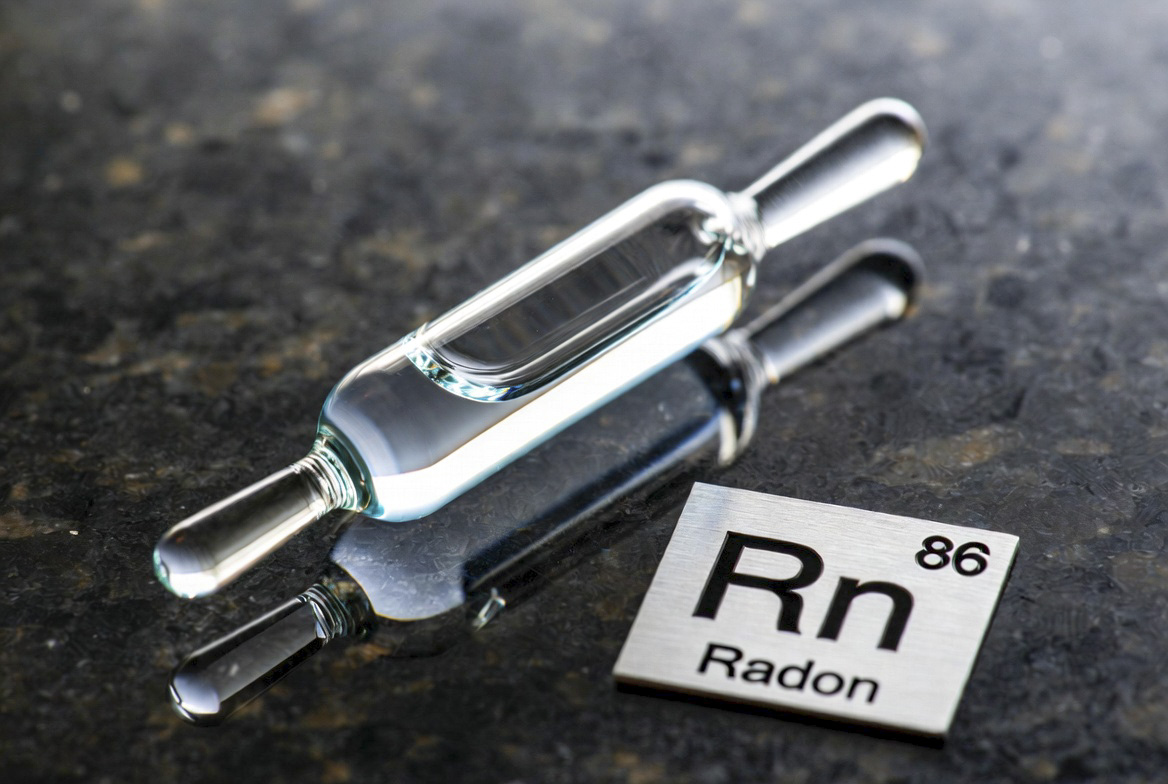
 Radon – Test and Decide for YourselfSaturday, July 25th, 2026
View by Month/Year
“Green Building Law Update” Headlines
Recent Articles & News from
Stuart Kaplow’s blog
at GreenBuildingLawUpdate.com
Subscribe to the Green Building Law Update!
Stuart Kaplow brings his expertise and extensive experience to the table with his unique digital publication, "Green Building Law Update". Subscribers receive regular updates to keep them informed about important issues surrounding Environmental Law, Green Building & Real Estate Law, as well as the emerging demand for Environmental Social Governance (ESG).
Get fresh content through the lense of Stuart Kaplow's cutting-edge expertise, innovative commentary and insider perspective. Don't miss another issue! Subscribe below.
Supreme Court Limits Pollution Cleanup Liability
On the final day of its 2004 session, the U.S. Supreme Court restricted the right of property owners that voluntarily clean up sites contaminated by hazardous substances to force former owners of the land to contribute to the cleanup cost.
This 7 to 2 decision, authored by Justice Clarence Thomas, is particularly significant in that it provides greater certainty to land owners who, with this new limit on liability from future owners, may now be willing to sell their contaminated sites, advancing opportunities for Brownfields redevelopment.
Cooper Industries v. Aviall Services concerns four contaminated aircraft engine maintenance sites in Texas. Cooper Industries owned and operated those sites until 1981, when it sold them to Aviall Services. Aviall then operated the four sites for a number of years. Ultimately, Aviall discovered that both it and Cooper had contaminated the facilities when petroleum and other hazardous substances leaked into the ground and ground water through underground storage tanks and spills.
Aviall notified Texas of the contamination. The State informed Aviall that it was violating environmental laws, directed Aviall to clean up the site, and threatened to pursue an enforcement action if Aviall failed to undertake remediation. Neither Texas nor the EPA, however, took judicial or administrative measures to compel cleanup.
Aviall cleaned up the properties under the State’s supervision, beginning in 1984. Aviall sold the properties to a third party in 1995 and 1996, but remains contractually responsible for the cleanup. Aviall has incurred approximately $5 million in cleanup costs; the total costs may be even greater.
In August 1997, Aviall filed an action against Cooper in federal court, under the Superfund statute, seeking to recover cleanup costs.
The enabling clause of the Superfund statute, §113(f)(1) of the Comprehensive Environmental Response, Compensation, and Liability Act of 1980 (CERCLA), as added by theSuperfund Amendments and Reauthorization Act of 1986(SARA), provides that any person “may” seek contribution from any other person liable or potentially liable under CERCLA §107(a) “during or following any civil action” under CERCLA §106 (which authorizes the Federal Government to compel responsible parties to clean up contaminated areas, or CERCLA §107(a) (which empowers the Government to recover its response costs from potentially responsible persons). Section 113(f)(1)’s saving clause provides: “Nothing in this subsection shall diminish the right of any person to bring an action for contribution in the absence of a civil action under” §106 or §107. SARA also created a separate express right of contribution, §113(f)(3)(B), for “[a] person who has resolved its liability to the United States or a State for some or all of a response action or for some or all of the costs of such action in an administrative or judicially approved settlement.”
The Supreme Court determined that Section 113(f)(1), authorizes contribution claims only “during or following” a civil action under §106 or §107(a), and it is undisputed that Aviall has never been subject to such an action. Aviall therefore has no §113(f)(1) claim for contribution from other potentially responsible persons. And given that there are a very small number of Superfund actions brought by the government, relative to the number of contaminated sites, this case will greatly limit private lawsuits arising out of pollution cleanups.
The high court did, however, leave open the possibility there may be some other legal avenue available to Aviall.
In an effort to encourage owners of contaminated sites to sell those properties, to advance Brownfields redevelopment, the Bush administration had urged the court to limit this use of the Superfund law. And it is worthy of note that Maryland (with a strong Brownfields program) was not one of more than 20 States advocating that the court rule otherwise.
It is now clear that a private party who has not been sued under the Superfund statute may not obtain contribution under the law from other liable parties. Contracts for sale of commercial and industrial land should be modified to take advantage of this liability shifting Supreme Court decision.
About the Author: Stuart Kaplow