View by Topic
Recent Articles
-
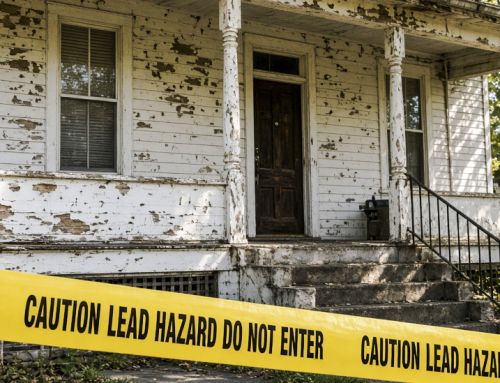
 The Lead Paint Legacy Real Estate Owners Must Take SeriouslySaturday, August 22nd, 2026
 -

-
 Puerto Rico’s Water Crisis – The Era of Potable Water Bankruptcy Has ArrivedSaturday, August 8th, 2026
 -
 Commercial Space Launch Reform – FAA Proposal Will Cut Years from Licensing ApprovalsSaturday, August 1st, 2026
 -
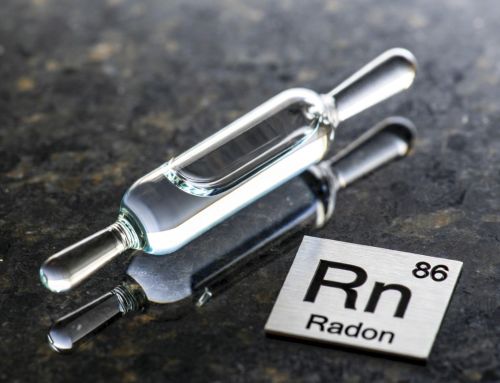
 Radon – Test and Decide for YourselfSaturday, July 25th, 2026
View by Month/Year
“Green Building Law Update” Headlines
Recent Articles & News from
Stuart Kaplow’s blog
at GreenBuildingLawUpdate.com
Subscribe to the Green Building Law Update!
Stuart Kaplow brings his expertise and extensive experience to the table with his unique digital publication, "Green Building Law Update". Subscribers receive regular updates to keep them informed about important issues surrounding Environmental Law, Green Building & Real Estate Law, as well as the emerging demand for Environmental Social Governance (ESG).
Get fresh content through the lense of Stuart Kaplow's cutting-edge expertise, innovative commentary and insider perspective. Don't miss another issue! Subscribe below.
Carroll County Offers Green Building Tax Credits
The Board of Commissioners of Carroll County, Maryland unanimously voted to create a credit against real property taxes for sustainable building.
Ordinance 09-03 authorizing the property tax credit is effective May 5, 2009. Of note, the process began more than a year ago, when the Maryland General Assembly in 2008 enacted enabling legislation permitting Carroll County to grant a credit against the county property tax imposed on nonresidential property on which a person installs environmentally friendly or “green” technologies.
Of interest, the enabling statute, found in Section 9-308(e) of the Tax Property Article of the Maryland Annotated Code, offers a progressive definition of “environmentally friendly or ‘green’ technologies, including conserving water, incorporating recycled or recyclable materials, and incorporating renewable and energy efficient power generation.”
And the Ordinance further defines sustainable building as “building or construction which integrates building materials and methods that promote environmental quality, economic vitality, and social benefit through design, construction and operation of the building environment; merging sound environmentally responsible practices into one discipline that considers the environmental, economic and social effects of a building or project as a whole; encompassing efficient management of energy and protection of health and indoor environmental quality, reinforcement of natural systems, and the integration of design methods.”
The real property tax credit is for “a property that is principally used for business, commercial or industrial purposes.”
A tax credit may only be granted for improvements made to real property “where the improvements meet the minimum LEED Rating of Silver or the minimum Green Globes Rating of two Green Globes or a County recognized or adopted equivalent standard ..”
Application for the credit is to be made by May 1st of the year in advance of when the credit is to be applied, however, receipt of the third party certification is required for final County approval.
A 25% tax credit is available for LEED Silver or equivalent; a 50% tax credit is available for LEED Gold or equivalent; and a 75% tax credit is available for LEED Platinum or equivalent, for a period of 5 years.
By way of background, this enactment by Carroll County is progressive not only because of the definitions utilized in the law, but also because it is the first instance in Maryland that the Green Building Initiative’s Green Globes rating will be accepted for certifying what is a Green building, in addition to certification by the widely accepted U.S. Green Building Council’s Leadership in Energy and Environmental Design (LEED) green building rating system. Prospectively, the Ordinance also authorizes some other third party certification by “a County recognized or adopted equivalent standard.”
In the State of Maryland where commentators have criticized the misuse of the ‘intended to be voluntary’ third party certifications as minimum mandatory Green building codes, including by Baltimore City, Howard County and Montgomery County, Carroll County is to be applauded. With this Ordinance, Carroll County now leads local governments in Maryland in striving for environmental stewardship and energy efficiency by acting locally with land owner-friendly, green-tech entrepreneurial oriented voluntary incentives.
If you have questions about qualifying for this Green building tax credit or if we can be of assistance with Green building issues, generally, please feel free to contact Stuart Kaplow.
About the Author: Stuart Kaplow