View by Topic
Recent Articles
-
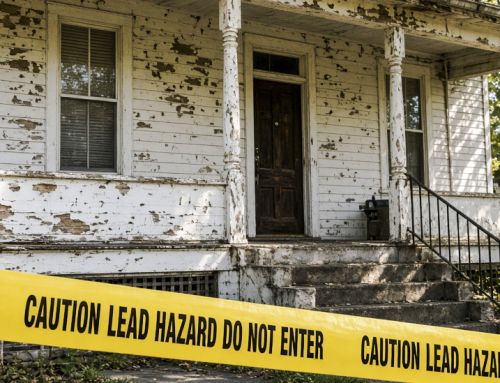
 The Lead Paint Legacy Real Estate Owners Must Take SeriouslySaturday, August 22nd, 2026
 -

-
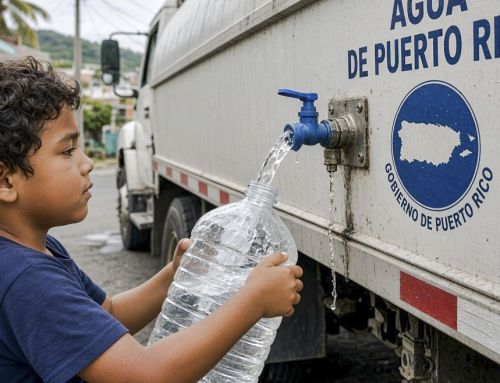
 Puerto Rico’s Water Crisis – The Era of Potable Water Bankruptcy Has ArrivedSaturday, August 8th, 2026
 -
 Commercial Space Launch Reform – FAA Proposal Will Cut Years from Licensing ApprovalsSaturday, August 1st, 2026
 -
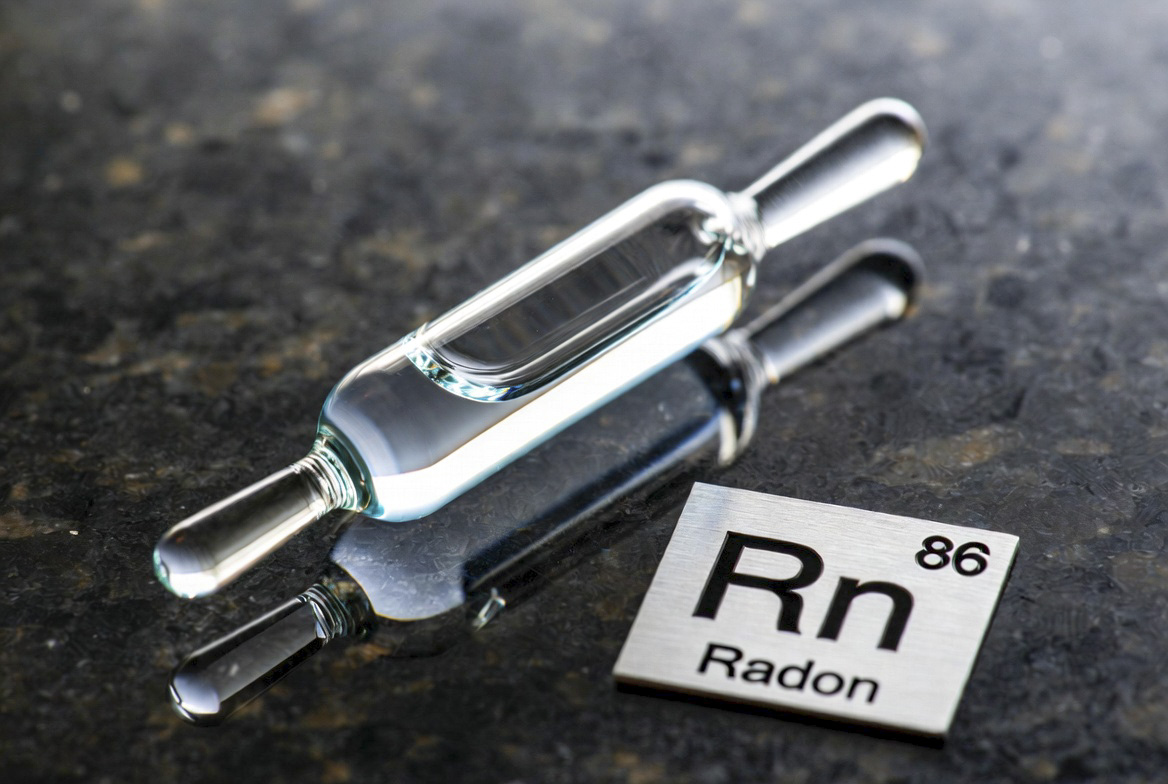
 Radon – Test and Decide for YourselfSaturday, July 25th, 2026
View by Month/Year
“Green Building Law Update” Headlines
Recent Articles & News from
Stuart Kaplow’s blog
at GreenBuildingLawUpdate.com
Subscribe to the Green Building Law Update!
Stuart Kaplow brings his expertise and extensive experience to the table with his unique digital publication, "Green Building Law Update". Subscribers receive regular updates to keep them informed about important issues surrounding Environmental Law, Green Building & Real Estate Law, as well as the emerging demand for Environmental Social Governance (ESG).
Get fresh content through the lense of Stuart Kaplow's cutting-edge expertise, innovative commentary and insider perspective. Don't miss another issue! Subscribe below.
Businesses Plan for New Rules on Emissions
Businesses, large and small, across all industry sectors are making plans for 2010 to respond to new government regulation of greenhouse gas emissions.
New regulation in 2010
The largest effort in this challenging environment may be businesses that had never before calculated their carbon footprint, including many that cannot even define what carbon footprint is (.. there is a definition below). Some businesses will struggle while others will thrive. Today, forward thinking business leaders are putting plans in place for future successes, driven by how new environmental laws will affect their costs and what decisions must be made now to take advantage of what is still an uncertain regulatory environment.
Uncertainty over the details of precisely what form of regulation will burden U.S. businesses should not be confused with the all but certainty that there will be robust government regulation of greenhouse gas emissions in 2010!
From Copenhagen
That the 12 paragraph final accord from the just completedUnited Nations Climate Change Conference 2009 in Copenhagen, was a ‘statement of intention’ and not a binding treaty or even a pledge, offers business no exact rules to respond to. But there is guidance to be gleaned from the key points that the Obama Administration articulated in Copenhagen, including the “objective to keep the maximum temperature rise to below 2 degrees Celsius” and the commitment of “$30 Billion short term funding for immediate action until 2012” and some source for $100 Billion annually by 2020 in long term financing.
Cap and trade
Additionally, many business owners have been monitoring the American Clean Energy and Security Act of 2009, the 1,201 page Waxman/ Markey bill that passed the U.S. House of Representatives on June 28th that is a cap and trade system for reducing greenhouse gas emissions (which in its most basic form, makes it expensive for a business to emit greenhouse gases). While the House bill faces an uncertain future in the Senate, the ‘smart money’ has Congress acting in 2010 (given the euphemisms of Washington D.C., the final enactment could be called a ‘green jobs’ bill).
EPA’s endangerment finding
Congress will act because in Massachusetts v. EPA, 549 U.S. 497 (2007), the Supreme Court found that greenhouse gases are air pollutants covered by the Clean Air Act. On December 7, 2009, the EPA Administrator signed and Endangerment Finding regarding greenhouse gases under the Clean Air Act,finding that the current and projected concentrations of the six greenhouse gases, including carbon dioxide, threaten the public health and welfare of current and future generations. The finding does not itself impose any requirements on business, but if Congress does not otherwise regulate greenhouse gas emissions, EPA must regulate the emissions under the Clean Air Act.
Many businesses are already doing more than mere planning and are today moving to cut emissions in advance of new laws. Wal-Mart has begun asking its suppliers to measure their carbon footprint and find ways to reduce it, part of an effort by the world’s largest retailer, with more than 60,000 suppliers, to reduce energy consumption and transform itself into a more sustainable company. Effort to reduce energy consumption is now a mainstream corporate mantra and is the subject of corporate sustainability reports and notes in SEC filings.
The carbon footprint of real estate
Buildings contribute 38.1% of total carbon dioxide emissions in the United States. (In contrast, cars and light trucks together produce only 20.5% of carbon dioxide pollution.) Buildings are also tremendous consumers of electricity, accounting for 72.0% of the total electricity consumption in the United States. However, the real estate industry has been slow, if not moribund, in responding to this emergent area of regulation. Green building is not included as one of ‘offsets’ in the House cap and trade legislation (offsetting emissions, as an alternative reducing carbon emissions, with green building would be a huge boost to green building) and is all but otherwise ignored in the Senate draft.
Real estate is likely among the most burdened industries because of the large percentage of electricity used (electric utilities will pass along costs of cap and trade, etc.) and the related large carbon footprint. However, to date, the real estate industry trade groups have been ineffective at having green building advantaged in any meaningful way by the pending federal legislation.
You do not have to believe in global warming
This is not a question of whether of not one personally believes in global warming or how one views the University of East Anglia’s using a ‘trick’ to massage years of temperature data to ‘hide the decline’ in global warming as described in the thousands of recently leaked emails. This is about bracing for new laws on emissions.
This is about businesses determining how new environmental laws will impact their costs and what decisions must be made now to take advantage of and thrive in what is an uncertain regulatory environment. This is also about planning to avoid obsolescence by participating in a market shaped by regulation and incentives to stimulate massive innovation in emission reduction.
Businesses that move today to understand their carbon footprint, to reduce energy use and operating costs, and to become more sustainable will not only maintain market position or improve it, but emerge stronger and thrive. Real estate will be among the most impacted industries, but the greening of existing buildings offers among the best opportunities to become more prosperous, beginning in 2010.
We can give you ‘an edge’
We work with a broad breadth of businesses, in giving the company ‘an edge’, including assisting some in understanding their carbon footprint and advising others about reporting on corporate sustainability and environmental impact. If we can be of assistance as you plan a green and sustainable future for your business, please contact Stuart Kaplow
___________________
And for those unfamiliar with the term, carbon footprint is “the total set of greenhouse gas emissions caused directly and indirectly by an individual, organization, event or product”. (UK Carbon Trust 2008) A carbon footprint is usually measured in pounds or tons. An average American citizen’s carbon footprint is over 20 tons of CO2. Compare that with 1.3 tons, the average carbon footprint of a person in India. Non-residential real estate has a surprisingly large carbon footprint that can be significantly reduced in an existing building with changes in operation and maintenance.
About the Author: Stuart Kaplow