View by Topic
Recent Articles
-
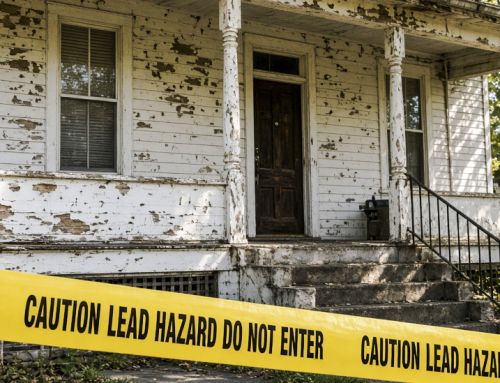
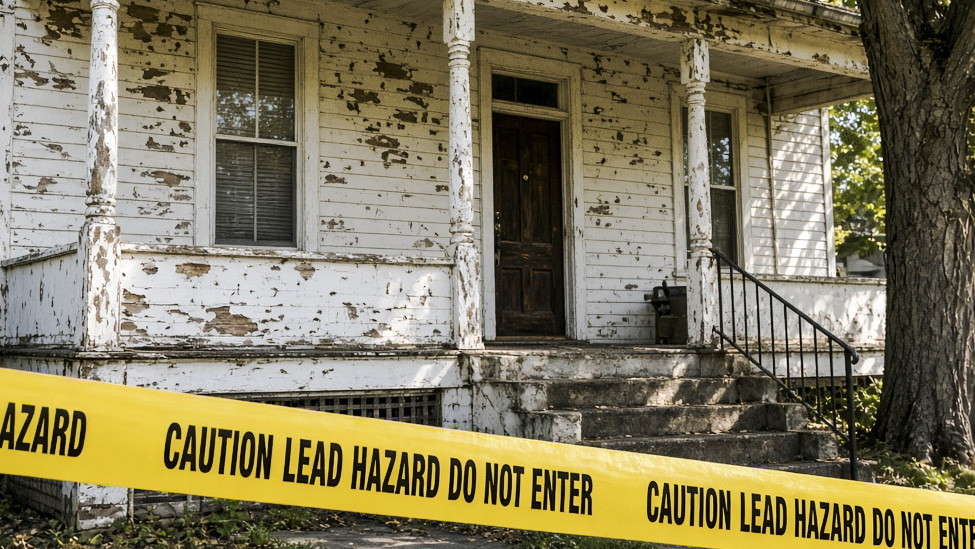
 The Lead Paint Legacy Real Estate Owners Must Take SeriouslySaturday, August 22nd, 2026
 -

-
 Puerto Rico’s Water Crisis – The Era of Potable Water Bankruptcy Has ArrivedSaturday, August 8th, 2026
 -
 Commercial Space Launch Reform – FAA Proposal Will Cut Years from Licensing ApprovalsSaturday, August 1st, 2026
 -
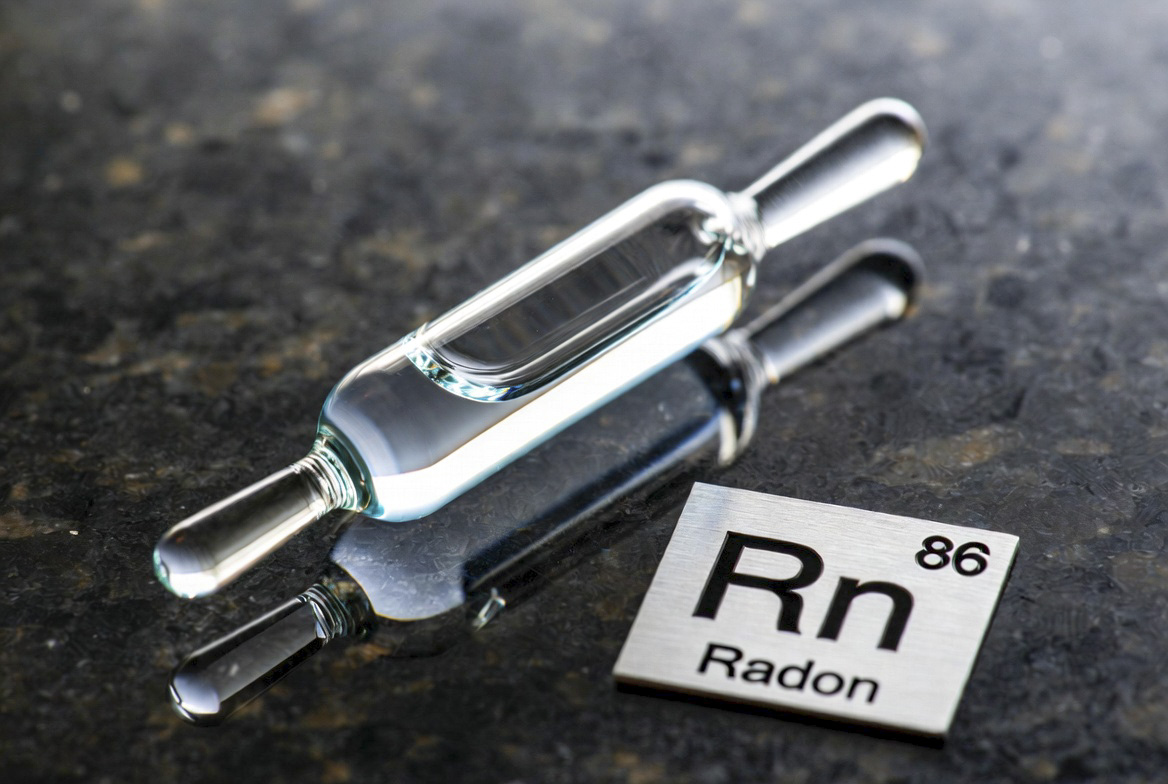
 Radon – Test and Decide for YourselfSaturday, July 25th, 2026
View by Month/Year
“Green Building Law Update” Headlines
Recent Articles & News from
Stuart Kaplow’s blog
at GreenBuildingLawUpdate.com
Subscribe to the Green Building Law Update!
Stuart Kaplow brings his expertise and extensive experience to the table with his unique digital publication, "Green Building Law Update". Subscribers receive regular updates to keep them informed about important issues surrounding Environmental Law, Green Building & Real Estate Law, as well as the emerging demand for Environmental Social Governance (ESG).
Get fresh content through the lense of Stuart Kaplow's cutting-edge expertise, innovative commentary and insider perspective. Don't miss another issue! Subscribe below.
Green in the 2014 Session of the Maryland General Assembly
During the 2014 session of the Maryland General Assembly, legislators introduced 2,672 bills and after adjourning at midnight on sine die, 90 days later on April 7 all that remains is the Governor Martin O’Malley’s determination of what bills to sign or veto. This was not a green year. Only a very modest number of those bills advance green building or sustainability. The legislature was consumed with decriminalizing small amounts of marijuana, expanding pre-K education, increasing the minimum wage, and other progressive enactments that will be popular in this election year.
Despite only nascent interest by state elected officials in embracing the environmental issues of the day and the green building environmental industrial complex not being actively engaged in policy making this year, savvy businesses will find opportunities to lead and profit in matters of green building and sustainable business, including opportunities advantaged by these newly enacted laws.
But make no mistake, last year Maryland ranked #2 in the nation for LEED® project activity. That is, relative to its population, Maryland was second among the states in number of LEED projects. And any review of newly enacted legislation must be against that backdrop.
This compilation is a bill by bill review of green legislation passed by the state legislature in 2014. The determination of what is a green bill is, admittedly, subjective and for the purposes of this exercise a wide net was cast.
Limitations of time and space do not permit this compilation to consider the bills that did not pass, despite their relative merits. In this compilation, bills with a Chapter number, “(Ch. 80)” have, at the time this article is being written, been signed by the Governor. The legislature has passed:
LEED
House Bill 207 was a Departmental of General Services bill and broadens the definition of a high-performance building to include any building that complies with a nationally recognized and accepted green building code, guideline, or standard that is reviewed and recommended by the Maryland Green Building Council and approved by the Secretaries of Budget and Management and General Services. The bill is no doubt a setback for green building by government and it portends fewer, if any, state and county LEED certified projects in the future, in favor of projects built to a Maryland centric version of the International Green Construction Code.
Wind Turbines
Senate Bill 259/House Bill 861 authorize the Maryland Agricultural Land Preservation Foundation to approve the use of land subject to an agricultural easement for the generation of electricity by a facility using an “authorized renewable energy source.” Generally, MALPF easement properties may not be used for any commercial, industrial, or residential purpose. This new permitted use, among other things, must occupy no more than 5% or five acres, whichever is less, of the land subject to the easement. An “authorized renewable energy source” is solar, wind, or anaerobic digestion of poultry litter or livestock manure if placed on fallow land. MALPF must determine that the use does not interfere significantly with the agricultural use of the land subject to the easement or interfere with federal, state, or local restrictions placed on funds used by MALPF to purchase the easement. For the generation of electricity from wind, the generating station’s wind turbines may not be located in an area where wind turbines could create Doppler radar interference for missions at the Patuxent River Naval Air Station.
The Patuxent River Naval Air Station was commissioned in 1943 as an air test range and is equipped to determine the radar signatures of aircraft so that potential weaknesses and vulnerabilities can be mitigated before an aircraft is deployed in combat. The U.S. Department of the Navy had in the past expressed concerns relating to the potential of large wind turbines to interfere with the station’s radar systems. House Bill 1168 prohibits the Public Service Commission from approving a certificate of public convenience and necessity for the construction of a wind-powered generating station that includes any wind turbine exceeding specified heights within a specified area (which is 39.7% of the total state land area of approximately 9,750 square miles) before July 1, 2015. The bill likewise prohibits any person from undertaking construction of such a wind turbine.
Turbines for wind farms have been installed in several locations in Western Maryland in recent years. Garrett County, unlike most of the state, has not adopted comprehensive countywide zoning and, instead, has obtained limited control over turbine siting under state law. A March 2013 letter from the Attorney General reviewed for constitutional and legal sufficiency a provision relating to adjoining property owners’ consent to a variance from a setback requirement. The letter advised that, even though the state may enact a setback requirement for wind turbines in Garrett County, any such law is likely to be unconstitutional on due process grounds if it requires the consent of adjoining property owners as a condition of seeking a variance from the law’s zoning-style restrictions. Senate Bill 2 repeals the provision that required adjoining property owners’ consent.
Local Stormwater Remediation Fees
Beginning July 1, 2013, Baltimore City and nine counties were required to begin assessing stormwater remediation fees. The fees attracted significant controversy and led to the introduction of numerous bills in the 2014 legislative session to repeal the fees or establish exemptions or modifications to the fees. Although no legislation to repeal or exempt a jurisdiction from the obligation to establish a watershed protection and restoration fund and program passed, Senate Bill 172 authorizing Carroll and Frederick counties to enter into a memorandum of understanding with the Maryland Department of the Environment to develop an alternative source of financing, instead of a stormwater remediation fee, for the purpose of meeting the requirements of each jurisdiction’s federal stormwater permit.
Bay Restoration Fund
The main goal of the Bay Restoration Fund is to provide grants to owners of wastewater treatment plants to reduce nutrient pollution to the Chesapeake Bay by upgrading the systems with enhanced nutrient removal technology, to support septic system upgrades and the planting of cover crops. MDE indicated the law was too restrictive to accommodate the demand for various legitimate projects that could achieve the same environmental benefits as septic system upgrades. House Bill 11 (Ch. 80) gives local governments more flexibility in using funds to address their septic system needs.
In 2010, MDE completed its phase out of the administration of septic system grants, leaving administration of the program to local governments instead. House Bill 12 alleviates some of the burden on local governments and requires that up to 10% of the funds in the septic account be distributed to the local public entities.
The Water Quality Financing Administration in MDE provides financial assistance for wastewater treatment plants in Maryland. According to MDE, between fiscal 2006 and 2013, about $1.53 billion in total financial assistance has been provided, of which more than 98% was provided to major plants with a capacity of at least 500,000 gallons per day. House Bill 937 requires MDE to ensure the fair and equitable distribution of financial assistance from these funds among major and minor plants with a capacity of less than 500,000 gallons per day.
Water Pollution Enforcement
The state water pollution control laws generally regulate discharges of pollutants to waters of the state. A person who violates the water pollution control laws, or any regulation, order, or permit issued under these laws, is subject to injunctive actions and administrative, civil, and criminal penalties. MDE may impose a maximum administrative penalty of $5,000 per violation (each day a violation occurs is a separate violation) and $50,000 total. Senate Bill 564/House Bill 834 (Chs. 65 and 66) increase, from $5,000 to $10,000, the maximum administrative penalty per violation, and increase, from $50,000 to $100,000, the maximum total penalty that may be imposed on a person for water pollution control violations.
Nonpayment of Environmental Citations
Senate Bill 141 authorizes a tax sale in Baltimore City solely for nonpayment of environmental citations issued under Article 1, Subtitle 40 of the Baltimore City Code if the total amount of unpaid environmental citations is at least $1,000. The tax sale may only be offered after exhaustion of all administrative and judicial rights of appeal.
Recycling and Composting
The Maryland Recycling Act requires all counties and Baltimore City to recycle 20% or 35% of their waste generated, depending on the jurisdiction’s population, and establishes a statewide recycling rate goal of 55% by 2020 with a waste diversion goal of 60%. Counties have flexibility to determine the best way to reach these required recycling rates. Each county recycling plan, revised on a triennial basis, must address several issues, such as implementation of recycling from apartment and condominium buildings, the feasibility of composting mixed solid waste, methods for the separate collection and composting of yard waste, and methods of financing county recycling efforts, among other issues. Senate Bill 781 requires the organizer of a special event with more than 200 attendees and that meets certain other requirements to provide for the collection of recyclable materials at the event, including through the placement of clearly distinguished recycling bins. The bill also requires each county, as part of their currently required recycling plans, to address the collection and recycling of recyclable materials from special events by October 1, 2015.
The generally recognized benefits of composting include diverting waste from landfills, reducing emissions of methane, and providing an inexpensive source of natural fertilizer. House Bill 878 establishes the use of compost and compost-based products in highway construction projects in the state as a best management practice for erosion and sediment control, as well as for post construction stormwater management.
Oil Cleanup and Reimbursement Funds
The Maryland Oil Disaster Containment, Clean-Up and Contingency Fund was established in 1986 to provide funding to MDE’s oil pollution prevention programs. A fee of 0.75 cents was imposed on each barrel of oil transferred into the state; after the expiration of several temporary fee increases enacted by the General Assembly, the fee reverted 3.0 cents per barrel. In the absence of a long-term source of adequate funding, MDE indicated that substantial cuts to its oil pollution programs would likely be needed. In response, Senate Bill 678 increases the oil transfer fee to 8.0 cents per barrel until July 1, 2017, and reduces the fee to 5.0 cents per barrel after that date. The bill also allows owners of heating oil tanks to continue to apply for assistance from a set aside fund through June 30, 2017.
Climate Change
Due to ongoing concerns about the vulnerability of the state’s infrastructure to sea level rise and coastal flooding, in December 2012, Governor O’Malley issued the Climate Change and Coast Smart Construction Executive Order. Among other things, the executive order directed state agencies, when they propose new or reconstruct or rehabilitate state structures, to consider the risk of coastal flooding and sea level rise. House Bill 615 establishes a Coast Smart Council and, among other things, requires the council to develop specified “Coast Smart” siting and design criteria to address sea level rise and coastal flood impacts on capital projects. Beginning July 1, 2015, state capital projects must be constructed or reconstructed in compliance with those siting and design criteria. The council must adopt initial criteria by June 30, 2015.
Ocean acidification describes a process by which rising levels of carbon dioxide emitted into the atmosphere dissolve into the oceans and increase the acidity of the water. The effects of this acidification are numerous and complex, and include coral bleaching and the dissolving of calcium carbonate structures that are essential for many marine organisms. Even less is understood about acidification of estuaries such as the Chesapeake Bay than about ocean acidification. House Bill 118 establishes the Task Force to Study the Impact of Ocean Acidification on state Waters.
Agriculture
The Manure Transportation Project is a cost-share program established to assist in the transportation of excess poultry or livestock manure from farms that do not have sufficient land to use the manure for crop production in accordance with a nutrient management plan or that have land that is phosphorus over enriched. The program is intended to protect water quality by fostering efficient land application of manure and alternative waste management and use technologies. Senate Bill 127 (Ch. 36) gives the state discretion to determine the amount of funding provided to match funding contributed by the commercial poultry producer industry and repeals the $10 per ton limit for poultry manure. The law also modifies the limitation on funding provided for the transportation of livestock manure by eliminating the $20 per ton limit but retaining the limit of 87.5% of eligible costs.
Fertilizer Content, Labeling, and Application
The Maryland Commercial Fertilizer Law governs the registration, labeling, and application of commercial fertilizers for use on agricultural and nonagricultural land in the state. Senate Bill 70 (Ch. 11) changes the definitions of “guaranteed analysis” and “organic fertilizer” under the Maryland Commercial Fertilizer Law to make the Maryland definitions consistent with uniform standards established through the Association of American Plant Food Control Officials. The law also modifies the definition of “soil conditioner” to include soil conditioner that is distributed, as well as intended or offered for sale, to reflect MDA’s practice of registering products that are transferred from commercial processors to commercial farms where no sale actually occurs. In addition, the law clarifies provisions of the Fertilizer Use Act of 2011 restricting the types and amounts of nitrogen application that may result from fertilizer application to turf.
Clean Energy Loan Program
Current state law authorizes a county or municipality to enact an ordinance or a resolution establishing a clean energy loan program to provide loans to: residential property owners, including low-income residential property owners, to finance energy efficiency and renewable energy projects; and commercial property owners, to finance energy efficiency projects and renewable energy projects with an electric generating capacity of not more than 100 kilowatts. A clean energy loan program must require a property owner to repay a loan through a surcharge on the owner’s real property tax bill. Senate Bill 186/House Bill 202 authorize a private lender to provide capital for a loan to a commercial property owner under a local clean energy loan program. With the express consent of any holder of a mortgage or deed of trust on a commercial property that is to be improved through a loan under the program (1) a county or municipality may collect loan payments owed to a private lender or to the county or municipality, and costs associated with administering the program, through a surcharge on the property owner’s property tax bill; (2) an unpaid surcharge is, until paid, a lien on the real property it is imposed on; and (3) state law provisions applicable to a property tax lien also apply to an unpaid surcharge lien.
Tax Credit Extensions
House Bill 510 extends the termination date of the Sustainable Communities Tax Credit Program through fiscal 2017. The Governor is required to include an appropriation to the commercial program in fiscal 2015 through 2017, and the Maryland Historical Trust may award residential tax credits through fiscal 2017. The bill establishes credit eligibility for small commercial projects that meet certain requirements, including LEED certification, and MHT is authorized to award up to $4 million in credits to small commercial projects.
Light-emitting Diode Lights
Under the state sales and use tax law, the purchase of certain Energy Star products or solar water heaters made on the Saturday immediately preceding the third Monday in February through the third Monday in February is exempt from the state sales tax. House Bill 786 adds light-emitting diode (LED) light bulbs to the items that are exempt during that annual sales tax-free period. The inclusion of LED light bulbs in the list of Energy Star products that are exempt terminates June 30, 2017.
The General Assembly will reconvene Wednesday, January 14, 2015 at 12:00 p.m.
About the Author: Stuart Kaplow