View by Topic
Recent Articles
-
 The Hidden Transaction Costs of Residential SolarSaturday, October 24th, 2026
-
 Australia’s High Court Puts Scope 3 GHG Emissions Back on the U.S. Business Risk MapSaturday, October 17th, 2026
-
 D.C. Circuit Upholds PFAS Hazardous Designation – Critical Implications for Real EstateSaturday, October 10th, 2026
-
 TMDL Trump Executive Order – Why the Chesapeake Bay “Pollution Diet” Remains IntactSaturday, October 3rd, 2026
-
 Maryland’s Packaging EPR Program Moves From Law to RealitySaturday, September 26th, 2026
View by Month/Year
“Green Building Law Update” Headlines
Recent Articles & News from
Stuart Kaplow’s blog
at GreenBuildingLawUpdate.com
- Maryland’s New Recycling Tax? Packaging EPR Moves From Law to Reality September 27, 2026
- Exposomics – The New Environmental Risk That Will Change Real Estate September 20, 2026
- No Constitutional Right to Clean Drinking Water? Fifth Circuit Says Not So Fast September 13, 2026
- The Air We Share – Why Indoor Air Is Becoming a Real Estate Risk September 6, 2026
Subscribe to the Green Building Law Update!
Stuart Kaplow brings his expertise and extensive experience to the table with his unique digital publication, "Green Building Law Update". Subscribers receive regular updates to keep them informed about important issues surrounding Environmental Law, Green Building & Real Estate Law, as well as the emerging demand for Environmental Social Governance (ESG).
Get fresh content through the lense of Stuart Kaplow's cutting-edge expertise, innovative commentary and insider perspective. Don't miss another issue! Subscribe below.
The Hidden Transaction Costs of Residential Solar
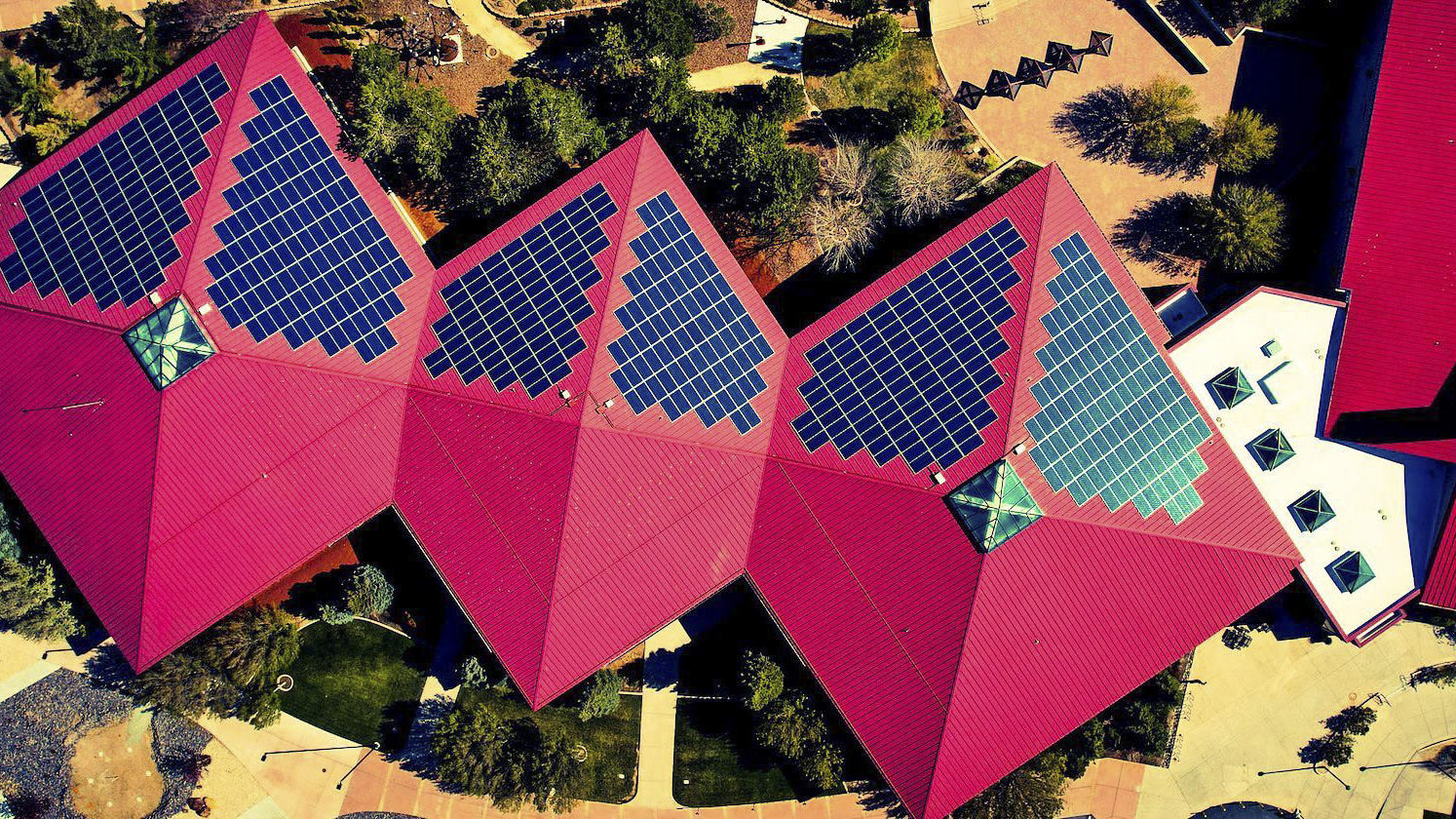
We are often asked about installing residential rooftop solar panels, which should not be surprising given that as of early 2026, more than 5 million single family homes (i.e., around 5.8% of roofs) have rooftop solar panel systems. That is meaningful early adoption, but it also means rooftop solar remains a property specific decision, not a universal home improvement, given that more than 94% of U.S. single family homes do not have solar panels on the roof.
There is much we do not yet know about this subject because more than 70% of U.S. rooftop solar installations have been installed since 2019, with the average age of a rooftop solar installation being a relatively young three to seven years old, with a useful life often described as 25 to 30 years.
If the objective is to maximize financial return and minimize risk while ‘saving the planet,’ there are several legitimate reasons not to install rooftop solar on a residence. The answer depends heavily on the roof condition, electric usage, expected length of ownership, and views on regulatory risk.
Net Metering Economics Are Becoming Less Favorable
One of the strongest economic arguments for rooftop solar has historically been net metering. Net metering, the credit for power exported to the grid, has been a major part of rooftop solar dollars and sense. A potential concern is regulatory change. The rules vary by state and are evolving. California’s net billing regime now compensates most new customers differently from its former retail rate net metering structure; and Maryland, meanwhile, is moving toward a successor program scheduled for July 1, 2027, where new customers with future exported electricity are expected to receive less favorable compensation than current retail rate credits.
The practical implication is that the payback period for a system installed in the future will be longer than past projections.
Roof Replacement Becomes More Expensive
If the roof has less than about 15 years of life remaining, solar can create significant future materials and labor expenses.
When a roof is replaced, the panels must be removed. Racking systems may need modification. And panel systems must be reinstalled and recommissioned.
The cost of removing and reinstalling solar panels can add thousands of dollars to a future roof replacement project.
Solar Complicates Home Sales
Although solar can arguably add value in some circumstances, complications often arise in a contemplated sale of the house when:
- Panels are leased rather than owned.
- There is an outstanding solar equipment loan.
- Buyers are unfamiliar with solar contracts.
- Roof condition becomes a concern.
- Technology improvements make even a few years old panels less desirable.
Some buyers see rooftop systems as an asset, but most see them as another item requiring inspection and maintenance.
We blogged about some of these environmental externalities in 2022, at Selling the Sun: Sale of a House with Solar Panels is Fraught with Peril | Green Building Law Update
Risk of Roof Damage or Water Intrusion
A properly installed system should not leak. However, the majority of rooftop installations require roof penetrations and mounting hardware.
Consumer protection organizations have cited complaints of roof damage during installation to systems installed on roofs that were poor candidates for solar, and improper workmanship.
While the risk is initially an installer quality issue rather than a solar technology issue, there are today few installations that are more than five years old, and it is not clear what the implications will be when chemical sealants dry out, crack, or degrade from UV exposure and thermal expansion over the decades long period that panels are expected to remain in place.
Fire and Electrical Risks
The overall risk of a well installed residential system catching fire is low, but it is not zero.
Industry fire safety experts have identified concerns involving faulty wiring, DC arcing, connector failures, and improper installation practices. But similar to water leaks, over the decades, wires may fray, and equipment may fail, resulting in fire hazards. The reality is that greater fire hazards and thermal risks exist from batteries that may be installed as part of the solar system. The Panels themselves are not going to catch fire.
Insurance and Liability Considerations
Most homeowners can insure rooftop solar under their existing homeowner’s policy at a modest increase in rates (but many of those policies exclude most solar panel related claims). Home replacement cost may increase, but there has been very little claims history arising from solar panels.
Panels Reduce Roof Access
Solar arrays can make chimney repairs harder, gutter cleaning more complicated, and future roofing work more expensive.
For many, this is an issue, not a problem, but often overlooked during consideration.
Limited Financial Benefit for Many Homes
If the household has low electricity consumption, if a downsizing in the number of occupants is anticipated, or if residents are planning significant time away from the property, the economic return may be weak.
Many of the industry projections are based on two adult, two children households, so a two person household using less electricity will see a much slower payback than a larger household charging electric vehicles and the like.
Tree Shading Can Make Solar a Poor Investment
Many suburban properties, especially in older neighborhoods, have mature tree canopies. And over the more than two decade life of a solar installation, trees are going to grow.
Even partial shading can significantly reduce production. If large shade trees are important to you for aesthetics or cooling (.. urban heat island effect), solar economics may not work well.
Better Alternatives Exist
Homeowners can obtain equivalent, and usually better, saving of dollars and saving of the planet through community solar without putting any equipment on the roof.
For most homeowners, alternatives can provide environmental benefits with fewer complications:
- Community solar subscriptions.
- Utility scale renewable energy purchases (.. buy green power).
- Energy efficiency upgrades to household equipment.
- Improved insulation and air sealing.
In most homes, the first dollars spent on efficiency improvements produce far greater savings than the first dollars spent on solar.
There is no single homogeneous residential building type in the United States, but rooftop solar does not make sense in the vast majority of instances.
It should be lost on no one, that a recent poll of homeowners in Maryland with current rooftop solar reported that more than 68% would not install solar again.
Utility scale solar installations win over residential installations in raw generation costs and not only have a lower cost per kilowatt hour, but installation and maintenance logistics make more sense, although the biggest advantage may be grid and voltage control with direct connections to high voltage lines.
Conversely, if you have a newer south facing roof, high electric bills, plan to remain in the home for 15+ years, and can purchase (rather than lease) the system, charge your electric vehicle, many of these concerns become less significant.
All of that said, this is not to suggest solar installations are dead. In fact, it was reported earlier this year that in China solar panels are being installed at the rate of 100 panels per second. Although for several years each of those panels installed is at a dollar loss and, maybe most important for this post, in China few, if any, of those panels are ever installed on a residential rooftop.
__________________________
Join us for the next in our webinar series at the Intersection of Business, Science, and Law, “Phase I Environmental Site Assessments “Just Changed,” on Tues., November 10 at 9 am. The webinar is complimentary, but you must register here.
About the Author: Stuart Kaplow